How Dehydration Can Increase Muscle Pain and Fatigue
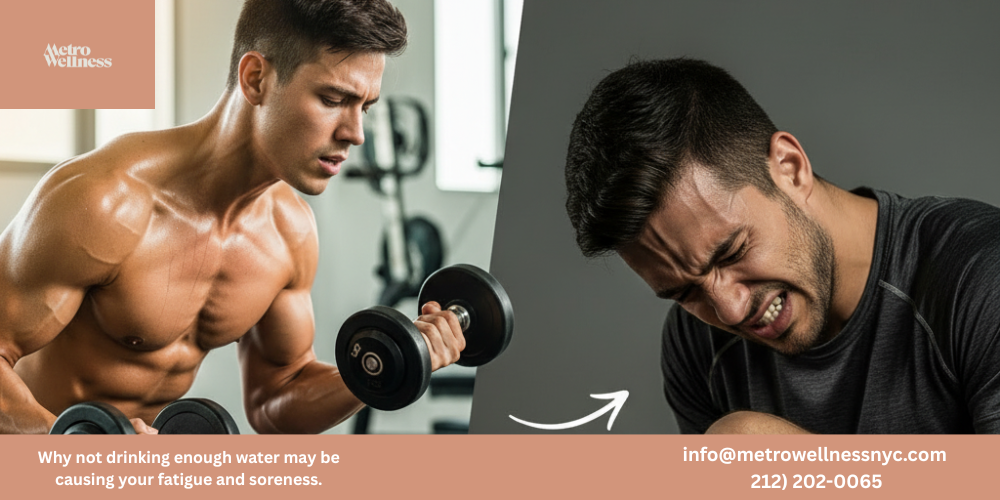
Most people don’t immediately connect muscle pain or fatigue with something as simple as hydration. If your muscles feel tight, sore, or unusually tired, it’s easy to assume you overworked them or didn’t stretch enough, something often discussed on Metro Wellness NYC.
But there’s another factor that often goes unnoticed: dehydration and muscle pain are more closely linked than many people realize.
Even mild dehydration can affect how your muscles function, how your body recovers, and how your energy levels hold up throughout the day. And the tricky part? You don’t have to feel “thirsty” for it to matter.
Understanding this connection can help you address discomfort at its source rather than chasing symptoms that seem to come out of nowhere.
Why Hydration Matters More Than You Think
Water plays a role in nearly every system in your body. When it comes to muscles, it helps with:
Delivering nutrients
Removing waste products
Maintaining proper contraction and relaxation
Supporting circulation
When hydration drops, these processes don’t work as efficiently. That’s when issues like dehydration, muscle fatigue and soreness begin to show up.
How Dehydration Affects Your Muscles
1. Reduced Muscle Efficiency
Muscles rely on proper fluid balance to contract and relax smoothly.
When you’re dehydrated:
Electrolyte balance shifts
Muscle function becomes less efficient
Movements may feel heavier or slower
This is one reason why tiredness from dehydration can feel physical, not just mental.
2. Increased Risk of Muscle Cramps
One of the most recognizable signs of dehydration is cramping.
Muscle cramps and dehydration are often linked because fluid imbalance affects how nerves communicate with muscles.
This can lead to:
Sudden tightening or spasms
Pain during or after activity
Discomfort even at rest
3. Slower Recovery After Activity
Recovery depends on circulation and nutrient delivery—both of which are influenced by hydration.
When you’re not drinking enough water:
Muscles take longer to repair
Soreness lingers
Fatigue builds up more quickly
This is one of the subtle ways dehydration causes muscle pain over time.
4. Increased Muscle Tension
Dehydration can also contribute to general tightness.
When fluid levels are low:
Muscles may feel stiff
Flexibility decreases
Movement feels restricted
This type of body pain from dehydration often develops gradually, making it easy to overlook.
The Link Between Dehydration and Fatigue
Fatigue isn’t always about sleep or workload. Hydration plays a direct role in energy levels.
How Dehydration Leads to Fatigue
When your body lacks enough fluid:
Blood volume decreases
Circulation becomes less efficient
Oxygen delivery to muscles slows down
This creates a sense of low energy that can feel persistent.
Many people describe this as:
Feeling tired even after rest
Struggling to stay energized throughout the day
Experiencing reduced endurance during activity
Effects of Dehydration on the Body Beyond Muscles
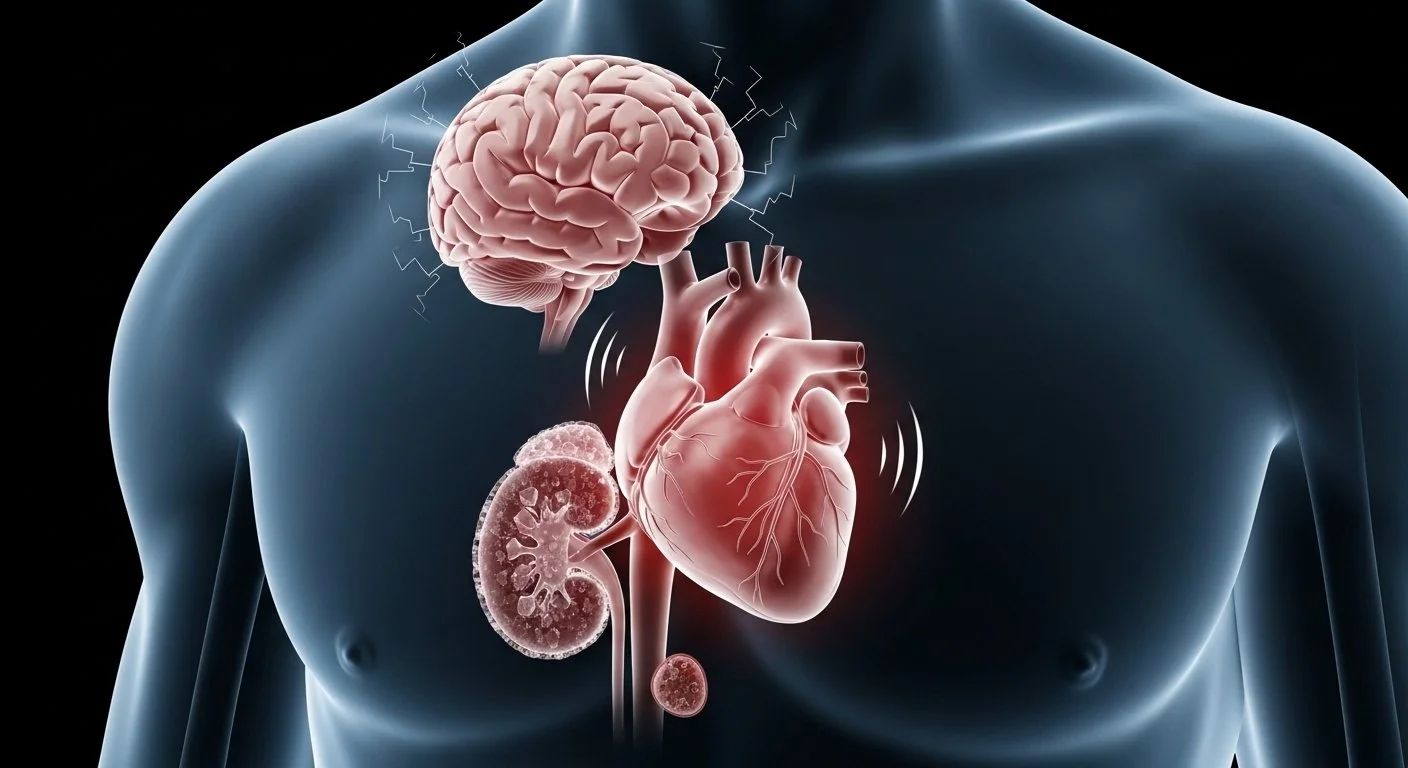
While muscles are one of the first places you may notice changes, dehydration affects more than just physical performance, which is why broader approaches like Chiropractic, PT & Acupuncture often consider overall body function.
Other effects of dehydration on the body include:
Headaches
Difficulty concentrating
Dry skin or mouth
Reduced physical coordination
These symptoms often overlap, making it harder to identify hydration as the root cause.
Why Mild Dehydration Often Goes Unnoticed
Severe dehydration is obvious, but mild dehydration is much more common and easier to miss.
You might not feel thirsty, but still experience:
Subtle fatigue
Minor muscle tightness
Slight drops in performance
Many people go through their day slightly dehydrated without realizing it.
Common Situations Where Dehydration Becomes a Problem
Long Workdays, Especially at a Desk
When you’re focused, it’s easy to forget to drink water. Hours pass, and fluid intake stays low.
Exercise Without Enough Hydration
Sweating increases fluid loss. Without replenishing it, muscle fatigue and soreness can increase.
Hot Weather or Indoor Heating
Both can lead to increased fluid loss, even if you don’t notice it right away.
High Caffeine Intake
Caffeinated drinks can contribute to fluid imbalance if not balanced with water.
Practical Ways to Stay Hydrated
Hydration doesn’t need to be complicated.
1. Drink Consistently, Not All at Once
Instead of drinking large amounts at once, spread water intake throughout the day.
2. Pay Attention to Early Signals
Mild dehydration signs include:
Dry mouth
Slight fatigue
Darker urine
Recognizing these early can help prevent discomfort.
3. Adjust Based on Activity
If you’re exercising or spending time in warm environments, you’ll likely need more fluids.
4. Include Hydrating Foods
Fruits and vegetables like:
Cucumbers
Oranges
Watermelon
can contribute to overall hydration.
Common Mistakes People Make
Waiting Until They Feel Thirsty
Thirst is often a late signal. By the time you notice it, your body may already be slightly dehydrated.
Assuming Fatigue Is Only About Sleep
Low energy isn’t always about rest; it can be related to hydration levels.
Overlooking Hydration During Busy Days
Work, travel, and routines can make it easy to forget basic habits like drinking water.
Relying Only on Caffeinated Drinks
Coffee and tea don’t fully replace water, especially in larger amounts.
Practical Insights: What Makes a Difference
Consistency matters more than quantity Regular intake is more effective than occasional large amounts
Small habits add up Keeping water nearby can make a noticeable difference
Hydration supports everything else Movement, recovery, and energy all depend on it
Pay attention to patterns If fatigue or muscle pain shows up regularly, hydration may be part of the picture
Expert Perspective: Why Hydration Is Often Overlooked
Hydration is simple, but that’s part of why it’s often underestimated.
When dealing with muscle pain or fatigue, people tend to focus on:
Exercise routines
Stretching
Posture
All of these matter. But without proper hydration, the body doesn’t function as efficiently as it could.
Professionals who look at overall physical health often consider hydration as part of the bigger picture alongside movement, recovery, and daily habits.
If you’re trying to better understand ongoing discomfort, exploring resources like the Metro Wellness NYC website can provide helpful context on how these factors work together.
When to Consider Other Factors
While dehydration can contribute to muscle pain and fatigue, it’s not the only possible cause. Understanding the bigger picture is part of a broader mission to heal and transform overall health.
You may want to look deeper if:
Pain persists despite proper hydration
Symptoms worsen over time
Discomfort limits daily activity
In those cases, additional evaluation can help identify other contributing factors.
Conclusion:

Dehydration isn’t always obvious but its effects are real.
From muscle tightness and cramps to fatigue and slower recovery, hydration plays a key role in how your body feels and functions.
The good news is that it’s one of the simplest factors to adjust.
Drinking water consistently, paying attention to early signs, and supporting your body’s needs can make a noticeable difference over time.
If you’ve been dealing with unexplained muscle discomfort or low energy, hydration is a good place to start.
FAQs
1. Can dehydration really cause muscle pain? Yes, dehydration can affect muscle function and lead to cramps, tightness, and discomfort.
2. Why do I feel tired when I’m dehydrated? Dehydration reduces circulation and oxygen delivery, which can lower energy levels.
3. How much water should I drink daily? It varies by person, but consistent intake throughout the day is more important than exact numbers.
4. Are muscle cramps always caused by dehydration? Not always, but dehydration is a common contributing factor.
5. How can I tell if my fatigue is from dehydration?If you notice dry mouth, low energy, or improvement after drinking water, hydration may be part of the issue.