What Causes Skin to Age? Natural Reasons Explained for New York City Residents
Many people think skin aging begins only when wrinkles appear. In reality, the aging process starts long before visible changes show up in the mirror. Small changes happen beneath the skin for years before they become noticeable on the surface.
If you've ever wondered what the main causes of skin aging are, the answer is more complex than simply getting older. While age plays a role, daily habits, environmental exposure, stress, sleep quality, and overall health can all influence how quickly skin changes over time.
For people living in New York City, factors such as pollution, sun exposure, busy schedules, and chronic stress may affect skin health even more than expected. Understanding what contributes to aging skin can help you make informed decisions about skin care, wellness, and healthy aging.
Before exploring the causes, it may help to understand the broader wellness approach discussed in The Science Behind Facial Rejuvenation Acupuncture and the role in supporting overall skin health.
What Happens to Skin as We Age?
Skin naturally changes throughout life.
When we are younger, the skin produces healthy amounts of collagen, elastin, and natural oils. These components help maintain firmness, flexibility, and hydration.
Over time, the body's production of these substances gradually slows. The skin becomes thinner, less elastic, and often less able to retain moisture.
These natural changes are part of the aging process, but they do not occur at the same rate for everyone.
Many people looking for natural ways to support skin wellness also explore the Advantages of Facial Acupuncture because healthy aging involves more than just addressing visible changes on the skin.
Genetics influences aging, but lifestyle and environmental factors often determine how quickly visible changes appear.
What Are the Main Causes of Skin Aging?
Many factors contribute to skin aging. Some are beyond our control, while others are influenced by daily habits.
Natural Aging
Natural aging, sometimes called intrinsic aging, is the gradual process that occurs as the body gets older.
As the years pass:
Cell turnover slows down
Collagen production decreases
Elastin fibers become less flexible
Skin becomes thinner
These changes happen regardless of skin care routines.
However, external factors often accelerate the process.
How Collagen Loss Affects Skin
One of the biggest contributors to visible aging is collagen loss.
Collagen is a structural protein that helps keep skin firm and supported.
As collagen production decreases with age, people may begin noticing:
Fine lines
Wrinkles
Reduced firmness
Less skin elasticity
Thinner skin texture
Understanding How Collagen Loss Affects Skin can help explain why skin often changes more noticeably after certain stages of adulthood.
Because collagen plays such an important role, many wellness approaches focus on supporting the body's natural processes rather than attempting quick cosmetic fixes.
The Effects of UV Damage on Skin
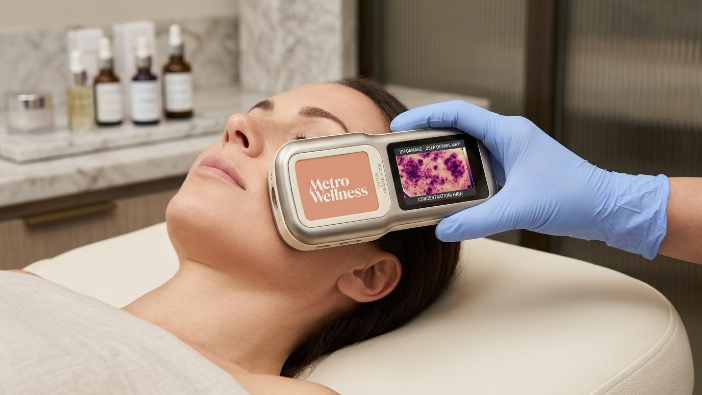
Sun exposure remains one of the most studied external causes of premature skin aging.
Ultraviolet (UV) rays can affect skin even when visible sunburn is not present.
Long-term exposure may contribute to:
Fine lines
Uneven skin tone
Dark spots
Reduced elasticity
Rough texture
The effects of UV damage on skin are often referred to as photoaging.
People who spend significant time outdoors without protection frequently experience visible signs of aging earlier than those who consistently protect their skin.
Even in New York City, daily exposure while commuting, walking, or spending time outdoors can add up over many years. This is one reason some individuals explore integrative facial rejuvenation treatments as part of their overall skin wellness routine.
How Pollution Affects Skin Aging
New York City residents are exposed to environmental pollutants every day.
Research continues to explore how pollution affects skin aging, but many experts believe environmental particles may contribute to oxidative stress within the skin.
Pollution exposure has been associated with:
Dull-looking skin
Uneven skin tone
Increased visible aging
Reduced skin barrier function
While pollution alone does not cause aging, it may contribute to the cumulative effects that influence skin health over time. Healthcare professionals, including chiropractors and physical therapists, often emphasize the value of supporting overall wellness and healthy lifestyle habits as part of a broader approach to long-term health.
Stress and Skin Health
Stress is often overlooked when discussing skin aging.
When stress becomes chronic, it may influence sleep, hormone balance, inflammation, and overall wellness.
These factors can indirectly affect the appearance and health of the skin.
Many people notice changes in their skin during periods of high stress, including:
Increased dryness
Dullness
Breakouts
Tired appearance
Because stress can affect multiple body systems, wellness practices that promote relaxation are often included in healthy aging strategies.
Poor Sleep and Recovery
Sleep plays an important role in the body's repair processes.
During sleep, the body performs many maintenance and recovery functions that help support overall health.
Consistently poor sleep may contribute to:
Dull skin appearance
Increased visible fatigue
Reduced skin recovery
More noticeable signs of aging
People often underestimate how closely sleep and skin health are connected.
Smoking and Lifestyle Habits
Certain lifestyle habits can accelerate skin aging.
Smoking, in particular, has been linked to reduced circulation and increased visible aging.
Other habits that may influence skin health include:
Excessive alcohol consumption
Poor nutrition
Chronic dehydration
Lack of physical activity
These factors do not guarantee accelerated aging, but they may contribute to changes in skin quality over time.
Signs of Aging Skin
The visible signs of aging vary among individuals.
Common signs of aging skin include:
Fine lines
Wrinkles
Loss of firmness
Uneven texture
Dryness
Thinning skin
Reduced elasticity
Not everyone experiences these changes in the same way or at the same age.
Genetics, environment, and lifestyle all influence the process.
Healthy Circulation and Skin Appearance
Healthy circulation plays an important role in maintaining skin health.
Blood delivers oxygen and nutrients that support normal skin function.
When circulation is functioning well, the skin often appears healthier and more vibrant.
For a deeper understanding, explore Better Circulation and how blood flow contributes to overall skin wellness.
Many people are surprised to learn that circulation, stress, sleep, and hormone balance may all influence skin health in different ways.
The Connection Between Hormones and Skin Aging
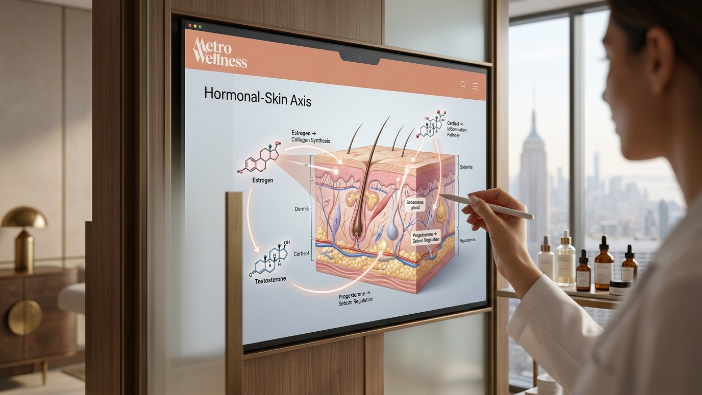
Hormones influence many functions throughout the body, including skin health.
Changes in hormone levels can affect:
Skin hydration
Oil production
Elasticity
Collagen maintenance
Learning more about Acupuncture for Hormone Regulation can provide additional insight into the relationship between hormonal balance and overall wellness.
While hormones are only one piece of the puzzle, they can influence how skin changes over time.
Common Mistakes People Make
Believing Aging Is Caused by One Factor
Many people blame aging entirely on genetics.
In reality, multiple factors often work together.
Focusing Only on Surface Treatments
Skin health is influenced by internal and external factors.
Sleep, stress management, nutrition, and overall wellness often matter just as much as topical products.
Ignoring Daily Sun Exposure
Many people use sun protection only during vacations or beach trips.
Daily exposure can contribute to cumulative UV damage over time.
Expecting Immediate Results
Healthy aging is usually a long-term process rather than a quick fix.
Small habits practiced consistently often have the greatest impact.
Expert Perspective
Skin aging is a natural part of life, but the process is influenced by many factors beyond age alone.
A qualified wellness or skin care professional evaluates the bigger picture, including lifestyle habits, environmental exposure, stress levels, and overall health.
This broader perspective helps people develop realistic expectations and make informed choices about supporting healthy skin.
Rather than focusing solely on cosmetic concerns, many experts encourage a whole-body approach to skin wellness.
Conclusion
Understanding what the main causes of skin aging are can help remove many common misconceptions about how skin changes over time.
While aging itself is unavoidable, factors such as collagen loss, UV exposure, pollution, stress, sleep quality, and lifestyle habits all influence how quickly those changes become visible.
The goal is not to stop aging. Instead, it is to support healthy skin through informed choices and consistent habits that promote overall wellness.
If you're interested in learning more about healthy aging, skin wellness, or natural approaches to supporting skin health, speaking with a qualified professional can help you better understand your options.
FAQs
What causes skin aging the most?
Aging is influenced by a combination of factors, including natural aging, sun exposure, collagen loss, lifestyle habits, and environmental factors.
Can stress make skin age faster?
Chronic stress may contribute to factors that affect skin health, including poor sleep and changes in overall wellness.
How does collagen loss affect skin?
Collagen loss can contribute to reduced firmness, fine lines, wrinkles, and changes in skin elasticity.
Does pollution really affect skin aging?
Research suggests pollution may contribute to oxidative stress and other factors associated with visible skin aging.
Can healthy habits support aging skin?
Healthy habits such as sun protection, quality sleep, hydration, stress management, and balanced nutrition may help support skin health over time.
