Winter Marathon Training in NYC: Common Injuries and How to Stay Strong All Season
Running Through the Cold: Why Winter Training Challenges Your Body
Training during New York’s winter months can be invigorating — crisp air, quiet streets, and the mental boost that comes with consistency. But cold weather also introduces unique physical challenges that increase the risk of injury.
When temperatures drop, your muscles and connective tissues lose elasticity, making them more prone to strain. Cold air can also tighten airways and reduce oxygen delivery, leading to earlier fatigue. Without proper warm-ups, recovery, and support, runners can experience stiffness, joint pain, and overuse injuries.
At Metro Wellness NYC, we work with runners of all levels — from first-time marathoners to seasoned athletes — helping them train safely, prevent injury, and recover faster during the cold season.
1. Common Winter Running Injuries
Here are the most frequent issues we see in runners training through NYC winters — and the science behind them:
a. Hamstring and Calf Strains
Cold muscles contract more tightly and respond slower, making them vulnerable during explosive movements like hill sprints or tempo runs.
➡️ Evidence: A 2018 study in the British Journal of Sports Medicine found that decreased muscle temperature significantly increases strain injury risk during sprinting and running drills.¹
b. Iliotibial Band (IT Band) Syndrome
Running on uneven or sloped winter surfaces (like icy sidewalks) can irritate the IT band, causing pain along the outer thigh and knee. Tight hip stabilizers and poor glute activation make it worse.
c. Shin Splints (Medial Tibial Stress Syndrome)
Cold weather and hard pavement amplify impact forces. When combined with training errors (like sudden mileage increases), shin splints can develop.
d. Achilles Tendon Pain
Reduced flexibility and improper footwear in cold weather can strain the Achilles tendon. The risk is higher when runners fail to warm up thoroughly.
e. Lower Back and Hip Tightness
Layered winter clothing can restrict movement, while slippery terrain causes compensatory tension in the core and hips — leading to lower back tightness.
2. Why Cold Weather Increases Injury Risk
Physiologically, running in the cold affects both your muscles and joints.
Reduced blood flow: Cold temperatures trigger vasoconstriction, limiting oxygen and nutrients to working muscles.
Stiff connective tissue: Ligaments and tendons lose elasticity as temperature drops.
Impaired proprioception: Slippery or uneven ground makes balance harder, increasing risk of slips or ankle sprains.
Delayed muscle activation: Cold muscles require more time to contract effectively.
A 2020 review in the Scandinavian Journal of Medicine & Science in Sports confirms that muscle performance declines at lower body temperatures, emphasizing the importance of progressive warm-ups and post-run recovery.²
3. How Metro Wellness NYC Helps Runners Train Smarter
Our multidisciplinary team uses evidence-based care to prevent, treat, and optimize your body for winter running.
✅ Physical Therapy for Runners
Led by Dr. Leacee, our physical therapy team focuses on:
Manual therapy & myofascial release to loosen tight tissues
Strengthening and mobility training to correct imbalances
Trigger point therapy to relieve muscle knots and restore flexibility
Evidence: Research in The Journal of Orthopaedic & Sports Physical Therapy shows that targeted hip and core strengthening reduces running-related injury recurrence by over 40%.³
✅ Chiropractic Care for Alignment and Mobility
Cold weather stiffness can throw your biomechanics off balance. Chiropractic adjustments restore proper joint motion and spinal alignment, improving body symmetry and movement efficiency — essential for endurance runners logging winter miles.
Studies suggest that regular chiropractic care enhances proprioception and reduces recovery time after repetitive stress.⁴
✅ Acupuncture for Recovery and Muscle Tension
Our acupuncturist, Dr. Jessie Gao, uses acupuncture to improve circulation, reduce inflammation, and relax tight muscles.
Evidence shows acupuncture can enhance muscle recovery and reduce delayed onset muscle soreness (DOMS) after strenuous workouts.⁵
Perfect for:
Tight calves or hamstrings
Chronic knee pain
Pre-race recovery sessions
4. Winter Training Tips from Our Experts
Warm up indoors first: Light dynamic stretches or jogging in place can raise muscle temperature before heading out.
Dress in layers: Breathable base layers help regulate temperature without overheating.
Mind your footing: Choose shoes with traction and stability; avoid icy patches.
Recover actively: Foam rolling, stretching, and massage improve circulation after runs.
Don’t skip your check-ins: Regular visits to Metro Wellness NYC help detect minor imbalances before they turn into injuries.
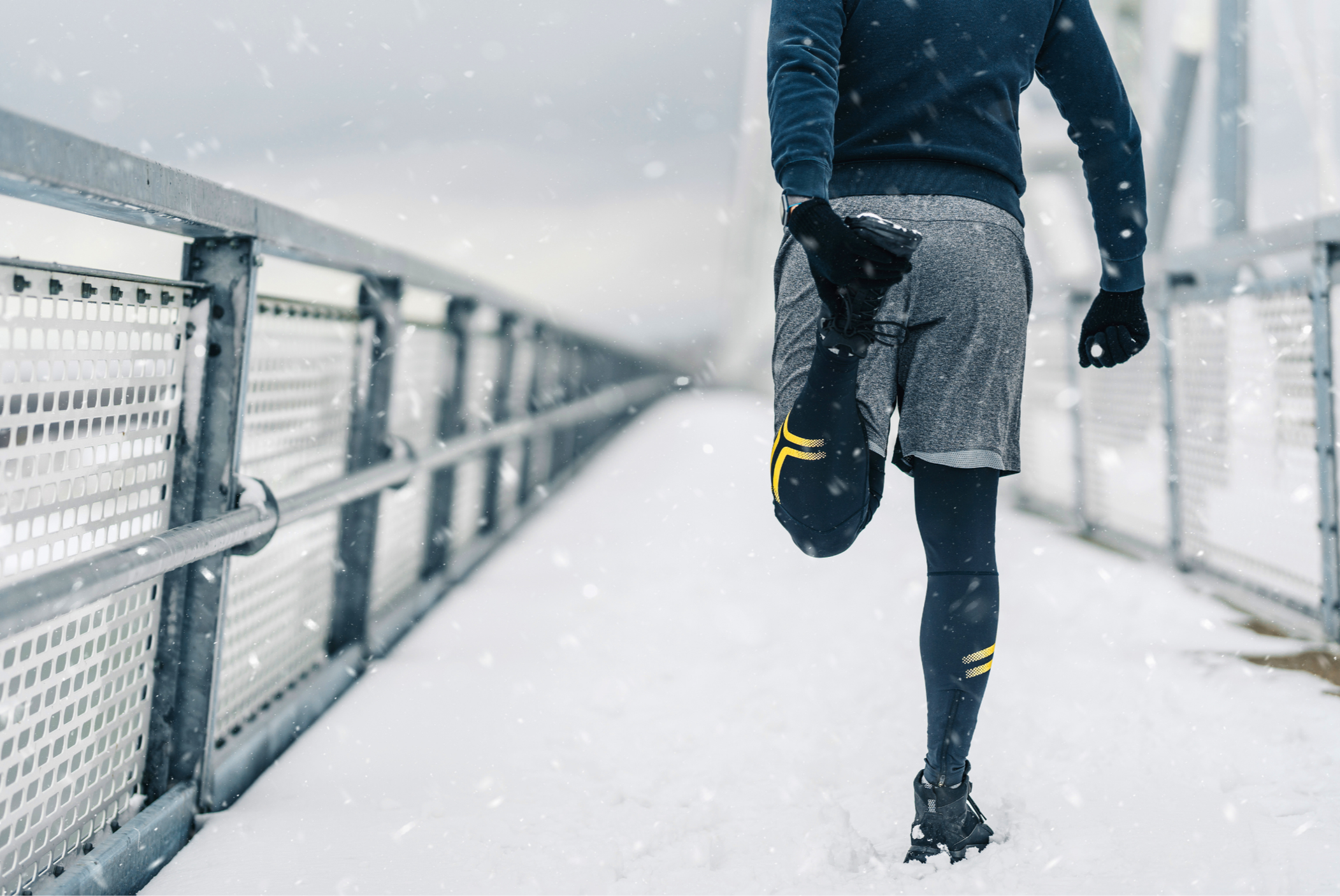
5. Stay Strong and Injury-Free This Winter
Winter training builds both physical endurance and mental toughness — but smart recovery is what keeps you consistent. Whether you’re preparing for the NYC Half Marathon or your next full marathon, our team helps you stay injury-free, pain-free, and performing at your peak.
📍 Metro Wellness NYC
64 W 48th St, Suite 608, New York, NY 10036
📞 Call: 212-202-0065 | 📱 Text: 917-382-0980
📧 Email: info@metrowellnessnyc.com
References
Woods, C. et al., “Influence of muscle temperature on injury risk in sprinting,” Br J Sports Med, 2018.
Bangsbo, J. et al., “Cold exposure and muscle performance: A systematic review,” Scand J Med Sci Sports, 2020.
Ferber, R. et al., “Hip and core strengthening reduces running injury risk,” J Orthop Sports Phys Ther, 2015.
Haavik, H. & Murphy, B., “Effects of spinal manipulation on sensorimotor function,” Clin Neurophysiol, 2012.
Hubscher, M. et al., “Efficacy of acupuncture for delayed onset muscle soreness,” Eur J Appl Physiol, 2010.
