Signs Your Body Needs Rest Instead of More Exercise
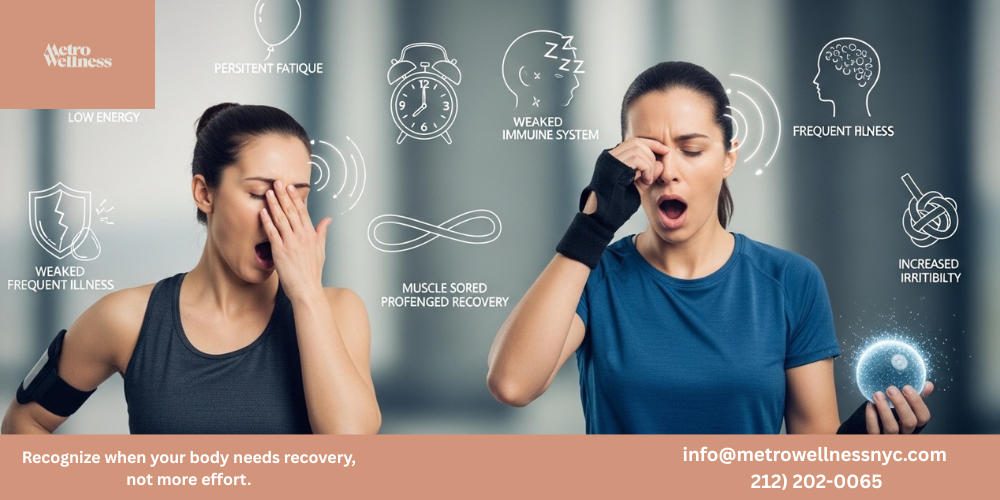
Exercise is often seen as the solution to almost everything: stress, low energy, and even physical discomfort. And in many cases, it is. Movement is essential for health, a perspective often emphasized by Metro Wellness NYC.
But there’s a point where more exercise stops being helpful and starts working against you.
If you’ve ever finished a workout feeling unusually drained, sore in a way that lingers, or mentally unmotivated, your body might be trying to tell you something. Recognizing the signs you need rest instead of exercise isn’t about being less disciplined; it's about understanding how recovery actually works.
The truth is, progress doesn’t happen during the workout. It happens afterward, when your body has time to repair and adapt. Without that recovery, even the best routines can lead to fatigue, frustration, and eventually burnout.
Why Rest Is Just as Important as Exercise
It’s easy to think of rest as “doing nothing,” but that’s not quite accurate.
Rest is when your body:
Repairs muscle tissue
Restores energy levels
Regulates hormones
Reduces inflammation
Without enough recovery time, these processes don’t fully happen. Over time, that can lead to what many people experience as signs of overtraining a state where the body struggles to keep up with the demands placed on it.
Signs You Need Rest Instead of Exercise
Not all fatigue is the same. There’s a difference between feeling challenged after a workout and feeling depleted.
Here are some common signals your body may need a break.
1. Constant Fatigue, Even After Rest
Feeling tired after exercise is normal. But if you’re experiencing ongoing fatigue after exercise even after a good night’s sleep, that's worth paying attention to.
This kind of tiredness often feels:
Persistent
Hard to shake
Disproportionate to your activity level
It’s one of the clearest signs of body exhaustion that recovery may be lacking.
2. Decreasing Performance
If your workouts feel harder than usual or you’re not seeing progress despite consistent effort, it may not be a motivation issue.
It could be a recovery issue.
Signs include:
Struggling with weights or routines that used to feel manageable
Slower run times or reduced endurance
Feeling “off” during workouts
When the body doesn’t recover properly, performance naturally declines.
3. Lingering Muscle Soreness
Some soreness after exercise is expected. But when it lasts several days or feels more intense than usual, it may indicate that your body hasn’t fully recovered.
Persistent soreness can mean:
Muscles aren’t repairing efficiently
Inflammation is staying elevated
You’re not getting enough rest between sessions
4. Trouble Sleeping
It might seem counterintuitive, but overtraining can actually disrupt sleep.
You might notice:
Difficulty falling asleep
Restless or light sleep
Waking up feeling unrefreshed
Since sleep is critical for recovery, this creates a cycle that can be hard to break.
5. Increased Irritability or Low Motivation

Physical fatigue doesn’t just stay in your body; it affects your mindset too.
You may feel:
Less motivated to work out
More easily frustrated
Mentally drained
These are often overlooked signs of physical burnout.
6. Elevated Resting Heart Rate
If your resting heart rate is higher than usual, it may be a sign your body is under stress.
This can happen when:
Recovery is insufficient
The nervous system stays activated
The body is working harder to maintain balance
7. Frequent Minor Injuries or Discomfort
When your body doesn’t get enough time to recover, it becomes more vulnerable.
You might notice:
Small strains or aches
Tightness that doesn’t go away
Recurring discomfort in certain areas
These are often early signals that it’s time to step back.
Understanding the Balance: Rest vs Exercise
Finding the right rest vs exercise balance isn’t about doing less; it's about doing what your body can actually support, including maintaining balance and flexibility over time.
Too little activity can lead to stiffness and weakness. Too much, without recovery, leads to fatigue and strain.
The goal is a rhythm:
Activity followed by recovery
Effort balanced with rest
Consistency without overload
When to Stop Working Out Even Temporarily
It can be difficult to take a break, especially if you’re used to staying active.
But there are times when pausing is the right choice.
You may need to stop or scale back if:
Fatigue continues to build over days or weeks
Pain becomes persistent rather than occasional
Workouts feel more draining than energizing
This doesn’t mean giving up. It means allowing your body to reset.
What Rest Actually Looks Like
Rest doesn’t always mean complete inactivity.
There are different levels of recovery:
Passive Rest
Taking a full day off
Prioritizing sleep
Reducing physical demands
Active Recovery
Light walking
Gentle stretching
Low-intensity movement
Active recovery can help maintain circulation without adding stress.
How to Recover More Effectively
If you’re noticing after exercise feeling tired more often than usual, improving recovery habits can make a significant difference.
1. Prioritize Sleep
Sleep is one of the most powerful recovery tools available.
Aim for:
Consistent sleep schedules
A calm, screen-free wind-down routine
A comfortable sleep environment
2. Stay Hydrated
Dehydration can increase fatigue and slow recovery.
Even mild dehydration affects:
Muscle function
Energy levels
Overall performance
3. Support Your Body with Nutrition
Balanced meals help replenish energy and support muscle repair.
Focus on:
Adequate protein
Whole foods
Regular meals
4. Listen to Early Signals
Don’t wait for severe fatigue or injury.
Pay attention to:
Subtle changes in energy
Increased soreness
Mental fatigue
These early signs are easier to address.
Common Mistakes People Make
Pushing Through Exhaustion
Many people assume that pushing harder leads to better results. In reality, it often delays progress.
Skipping Rest Days
Rest days aren’t optional; they're part of the process.
Comparing Yourself to Others
Everyone’s recovery needs are different. What works for someone else may not work for you.
Ignoring Mental Fatigue
Burnout isn’t just physical. Mental exhaustion is just as important to recognize.
Practical Insights: What Actually Works
Consistency beats intensity. Sustainable routines lead to better long-term results
Recovery is part of training. It’s not separate from progress/supports it
Your body gives signals early. Paying attention prevents bigger issues later
Balance is dynamic. Your needs may change based on stress, sleep, and daily life
Expert Perspective: Why Recovery Deserves More Attention
In many fitness routines, effort is emphasized more than recovery.
But from a musculoskeletal perspective, recovery is where adaptation happens. Without it, the body doesn’t get stronger; it just gets more fatigued, which is why approaches like chiropractic and physical therapy often emphasize proper recovery.
Professionals who focus on movement and physical health often look at both sides of the equation:
How the body is being challenged
How well it’s recovering
If you’re dealing with ongoing fatigue or discomfort, it may be helpful to explore your overall routine. Resources like the Metro Wellness NYC website provide insight into how movement, recovery, and physical health work together.
Building a Sustainable Routine
The goal isn’t to exercise more, it's to exercise in a way your body can sustain.
A balanced routine might include:
Regular workouts
Planned rest days
Light recovery sessions
Flexibility based on how you feel
This approach supports progress without pushing your body beyond its limits.
Conclusion:

Recognizing the signs you need rest instead of exercise is part of taking care of your body not avoiding effort.
Fatigue, soreness, and low energy aren’t failures. They’re signals.
When you respond to those signals with the right kind of rest, you give your body the chance to recover, adapt, and come back stronger.
If you’ve been feeling consistently tired or stuck in your routine, stepping back briefly might be exactly what your body needs.
FAQs
1. How do I know if I need rest or should keep exercising?
If you feel persistent fatigue, soreness, or declining performance, it may be time to rest rather than push through.
2. Is it bad to take rest days from exercise?
No rest days are essential for recovery and help improve long-term performance.
3. What are common signs of overtraining?
Fatigue, poor sleep, irritability, and reduced performance are common indicators.
4. Can too much exercise cause burnout?
Yes, excessive training without proper recovery can lead to physical and mental burnout.
5. What should I do instead of working out on rest days?
Light movement, like walking or stretching, can help support recovery without adding strain.