How Poor Posture Is Affecting Your Health: Simple Fixes
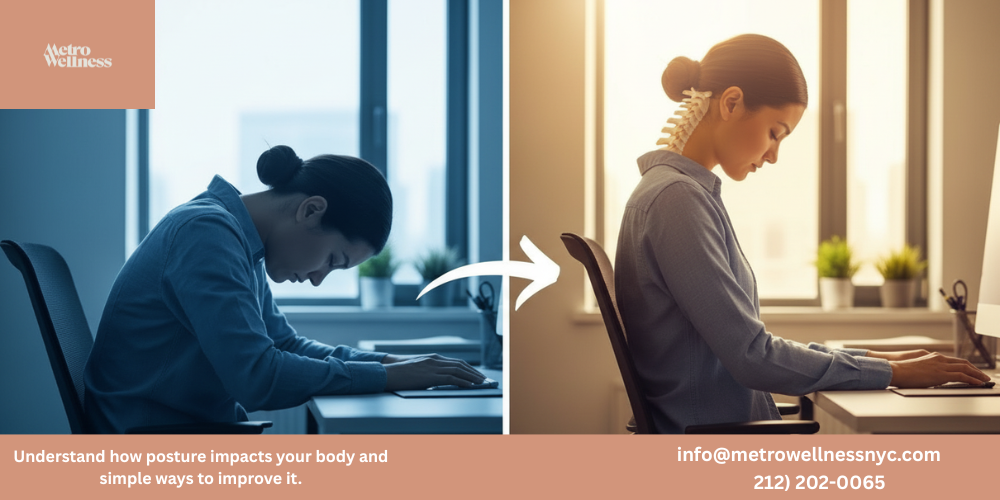
Most people think of posture as a small habit, something your parents reminded you about at the dinner table. Sit up straight. Don’t slouch. Shoulders back.
But posture isn’t just about appearance. It has a direct, measurable impact on how your body feels and functions every day, and in some cases, approaches likeManual Therapy can help address deeper movement issues.
The real issue with poor posture health effects is that they build quietly. You don’t notice them right away. A little neck stiffness, occasional back pain, maybe some fatigue by the end of the day. Over time, though, these small signals can turn into ongoing discomfort, reduced mobility, and even broader health issues.
In a world where many of us spend hours at desks, on phones, or commuting, posture isn’t a minor detail; it's part of your overall health.
What Does Poor Posture Actually Mean?
Before diving into the effects, it helps to clarify what poor posture looks like in everyday life.
It’s not just slouching. It includes:
Leaning forward toward a screen
Rounding the shoulders
Tilting the head down for long periods
Sitting or standing unevenly
These positions shift your body out of alignment. Instead of your muscles and joints working together efficiently, some areas become overworked while others weaken.
That imbalance is where most posture-related problems begin.
How Poor Posture Affects Your Health Over Time
1. Increased Back and Neck Pain
One of the most immediate and noticeable effects of bad posture on the body is discomfort in the back and neck.
When your head moves forward even slightly increases the load on your spine. For example, a head tilted forward just a few inches can significantly increase strain on the neck muscles.
Over time, this can lead to:
Chronic neck stiffness
Upper and lower back pain
Muscle fatigue that doesn’t fully resolve
This is one of the most common poor posture health problems, especially for people working at desks.
2. Reduced Breathing Efficiency
This is less obvious, but just as important.
When you slouch, your chest compresses. That limits how much your lungs can expand.
The result?
Shallower breathing
Less oxygen intake
Increased fatigue throughout the day
Many people don’t connect low energy levels with posture, but they’re often linked.
3. Decreased Mobility and Flexibility
Poor posture can gradually reduce how well your body moves.
When certain muscles stay tight like hip flexors or chest muscles and others weaken (like glutes and upper back muscles), your range of motion decreases.
This can show up as:
Stiffness when standing up
Difficulty twisting or bending
A general feeling of tightness
Over time, this restriction can affect daily activities, not just workouts.
4. Headaches and Tension
Tension headaches are another overlooked effect of poor posture.
When your neck and shoulders stay tight for long periods, it can create strain that radiates upward.
This often leads to:
Dull, persistent headaches
Pressure around the temples or base of the skull
Increased sensitivity after long work sessions
Again, it’s not always obvious that posture is the root cause.
5. Impact on Mood and Energy
Posture doesn’t just affect your body; it can influence how you feel mentally.
Research and real-world observations suggest that:
Slouched posture can contribute to low energy
Upright posture is associated with improved alertness
Physical tension can increase feelings of stress
While posture isn’t the only factor, it plays a subtle but meaningful role in overall well-being.
Why Poor Posture Develops So Easily

Understanding the causes helps make sense of why this issue is so widespread.
Modern Work Habits
Most jobs today involve long hours of sitting, often in front of screens. Even with a good chair, staying in one position too long leads to fatigue and slouching.
Phone and Device Use
Looking down at a phone for extended periods, sometimes called “tech neck,”is a major contributor to posture issues.
Lack of Movement
The body is designed to move. When movement is limited, muscles tighten and weaken in predictable ways.
Stress and Tension
Stress often shows up physically:
Shoulders rise
Muscles tighten
Posture becomes more rigid or collapsed
Over time, this becomes a habit.
How to Fix Poor Posture Without Overcomplicating It
Improving posture doesn’t require perfection. It requires awareness and consistency, and in some cases, guidance from chiropractors or physical therapists can help you stay on track.
1. Start with Ergonomic Sitting Posture
Your workspace has a bigger impact than you might think.
Basic adjustments include:
Screen at eye level
Feet flat on the floor
Knees at a 90-degree angle
Lower back supported
You don’t need a perfect setup, just one that reduces strain.
2. Move More Throughout the Day
One of the simplest posture correction tips is also the most effective: don’t stay still too long.
Try:
Standing every 30–45 minutes
Walking during phone calls
Stretching between tasks
Movement helps reset your posture naturally.
3. Strengthen Key Muscle Groups
Posture improves when the right muscles are doing their job.
Focus on:
Upper back muscles (to counter rounded shoulders)
Core muscles (for stability)
Glutes (to support the lower body)
Simple exercises like rows, planks, and glute bridges can make a real difference over time.
4. Stretch What’s Tight
Just as some muscles weaken, others become tight and restrictive.
Common areas to stretch:
Chest
Hip flexors
Neck and shoulders
This helps restore balance and improve alignment.
5. Adjust Your Awareness, Not Just Your Position
Trying to “sit perfectly” all day usually doesn’t work. It often leads to tension.
Instead:
Check in with your posture periodically
Make small adjustments
Allow natural movement
Posture is dynamic, not fixed.
Common Mistakes People Make
Trying to Fix Everything at Once
Making too many changes at once can feel overwhelming. Small, consistent improvements tend to be more sustainable.
Overcorrecting and Creating Tension
Sitting overly stiff can be just as problematic as slouching. Comfort and balance matter.
Ignoring Pain Signals
Discomfort is often an early warning sign. Waiting until pain becomes severe makes it harder to address.
Assuming Equipment Alone Will Fix the Problem
Ergonomic chairs and standing desks can help, but they don’t replace movement and muscle balance.
Expert Perspective: Why Proper Guidance Matters
Posture might seem simple, but it’s influenced by many factors: movement patterns, muscle strength, daily habits, and even stress.
Professionals who work with musculoskeletal health look beyond surface-level fixes. They assess:
How your body moves
Where imbalances exist
Which habits contribute to strain
This kind of insight can be especially helpful if posture-related discomfort has been ongoing or difficult to resolve.
If you’re exploring ways to improve alignment or reduce discomfort, learning more about approaches like chiropractic care or movement-based therapy can provide useful context. You can find additional guidance through resources like theMetro Wellness NYC, which offers information on musculoskeletal health and posture-related concerns.
Practical Insights: What Most People Overlook
Consistency matters more than intensitySmall daily habits are more effective than occasional big efforts.
Movement is more important than perfect postureThe body thrives on variation.
Pain isn’t always immediatePosture-related issues often develop gradually.
Awareness is the first stepSimply noticing your posture can lead to meaningful change.
Conclusion:

The effects of poor posture aren’t always dramatic, but they are real.
From back and neck pain to reduced energy and mobility, posture influences how your body performs throughout the day.
The encouraging part is that improving posture doesn’t require extreme changes. It comes down to:
Moving more
Adjusting your environment
Strengthening and stretching the right areas
Paying attention to how your body feels
If posture-related discomfort has been affecting your daily life, it may be worth taking a closer look at your habits or seeking guidance to better understand what your body needs.
FAQs
1. What are the most common poor posture health problems?Common issues include back and neck pain, headaches, reduced mobility, and muscle tension that builds over time.
2. How does poor posture affect your health long term?Over time, it can lead to chronic discomfort, reduced flexibility, and strain on muscles and joints that affect daily movement.
3. What is the fastest way to improve posture?Start by adjusting your workspace, taking regular movement breaks, and being mindful of your sitting and standing positions.
4. Can exercise fix bad posture?Yes, strengthening and stretching the right muscle groups can significantly improve posture over time when done consistently.
5. Do ergonomic chairs solve posture problems?They can help support better alignment, but they’re most effective when combined with movement and good habits.