Can Acupuncture Help with Stress and Pain? A Simple Guide
If you’ve ever dealt with ongoing stress or stubborn pain, you’ve probably looked for solutions that go beyond quick fixes. Medication can help in the short term, but many people are searching for something that feels more sustainable, something that addresses the root of the issue, not just the symptoms.
That’s where acupuncture often comes into the conversation.
A common question people ask is simple: does acupuncture help stress and pain, or is it just an alternative approach without real impact?
The answer isn’t one-size-fits-all, but there’s a growing understanding both from clinical research and real-world experience that acupuncture can play a meaningful role in managing both physical discomfort and stress, especially in cases where posture and chronic pain are closely connected.
This guide breaks down how it works, what it can help with, and what to realistically expect.
What Is Acupuncture, Really?
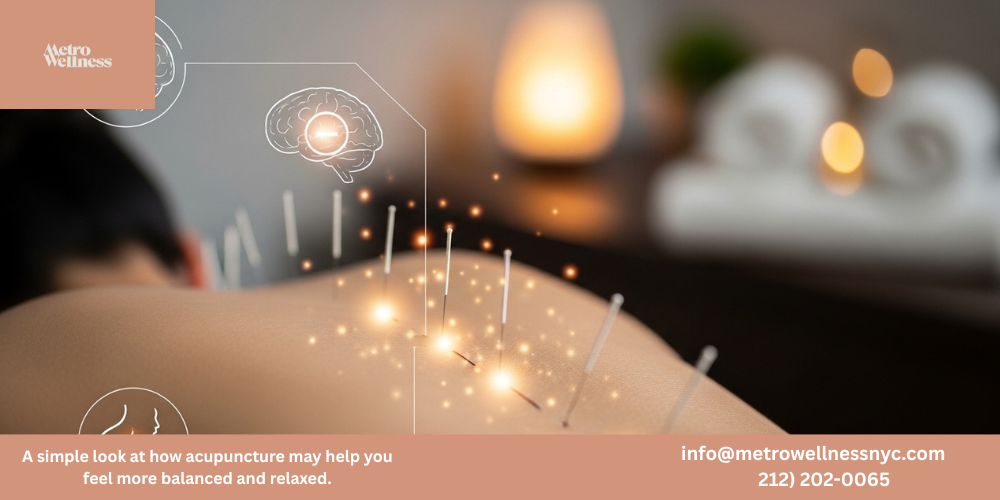
Acupuncture is a practice that has been used for thousands of years as part of traditional Chinese medicine. It involves placing very thin needles into specific points on the body.
That might sound intimidating at first, but most people describe the sensation as minimal, often more of a dull pressure or slight tingling than actual pain.
The goal isn’t just to target a single symptom. Instead, acupuncture aims to:
Restore balance in the body
Support natural healing processes
Improve how different systems work together
In modern settings, it’s often used alongside other approaches as part of a broader, holistic pain treatment plan.
How Acupuncture Works for Pain and Stress
The Nervous System Connection
From a modern medical perspective, one of the key ways acupuncture works is by influencing the nervous system.
When needles are placed at specific points:
The body releases endorphins natural pain-relieving chemicals
Blood flow increases in targeted areas
The nervous system shifts toward a more relaxed state
This combination can help reduce both physical pain and the physical effects of stress.
Muscle Tension and Pain Relief
For people dealing with muscle pain especially in the neck, shoulders, or lower back acupuncture can help release tight areas.
Acupuncture muscle pain relief often comes from:
Reducing localized tension
Improving circulation
Interrupting pain signals
This makes it a useful option for conditions linked to repetitive strain, desk work, or long-term muscle tightness.
Stress and the Body’s Response
Stress doesn’t just affect your mind, it shows up physically.
You might notice:
Tight shoulders
Headaches
Shallow breathing
Trouble sleeping
Acupuncture helps regulate the body’s stress response by calming the nervous system. Many people report feeling deeply relaxed after a session, sometimes even sleepy.
Over time, this can support better stress management overall.
Does Acupuncture Help Stress and Pain in Real Life?
The short answer: for many people, yes, but it depends on the situation.
What Research and Experience Suggest
Clinical studies have shown that acupuncture can be helpful for:
Chronic pain conditions like back or neck pain
Tension headaches and migraines
Stress-related symptoms
At the same time, real-world feedback often highlights something equally important: consistency matters.
People who benefit most from acupuncture typically:
Attend multiple sessions
Combine it with lifestyle changes
Use it as part of a broader pain management acupuncture approach
What It Feels Like During and After
Understanding the experience helps set realistic expectations.
During a session:
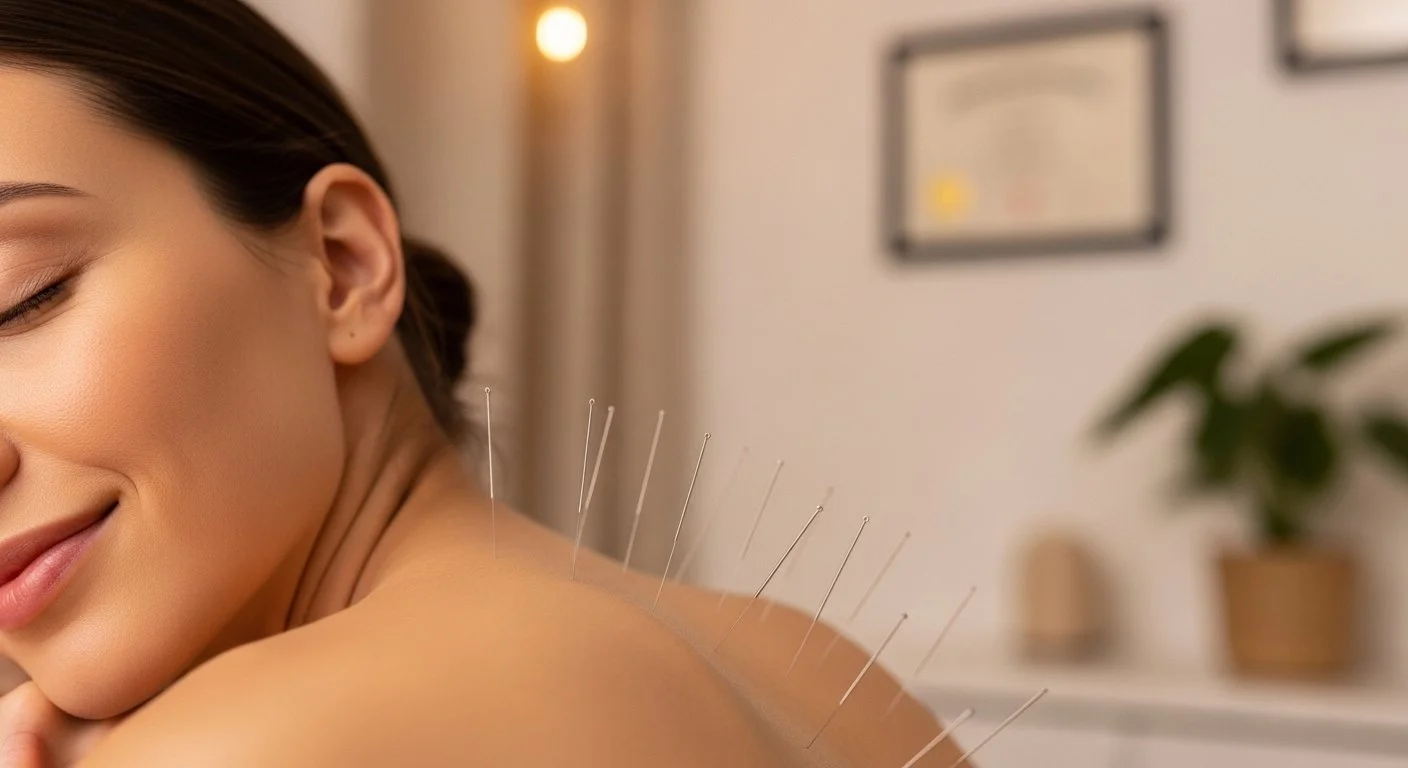
You lie comfortably while needles are placed
The process is usually calm and quiet
Sessions often last 20–40 minutes
Afterward, people commonly report:
A sense of relaxation
Reduced muscle tension
Temporary relief from pain
Some notice changes immediately, while others experience gradual improvement over several sessions.
When Acupuncture May Be Most Helpful
Acupuncture isn’t a cure-all, but it tends to work well for certain types of issues.
Chronic Muscle Pain
If your pain is related to posture, repetitive movement, or long-term tension factors that often cause neck & back pain, acupuncture for pain relief can be particularly effective.
Stress-Related Physical Symptoms
When stress shows up in your body, such as tight muscles, headaches, and fatigue, acupuncture can help address both the cause and the symptoms.
Part of a Natural Pain Management Plan
Many people turn to acupuncture as part of a natural pain management strategy, especially when they want to reduce reliance on medication or explore complementary options.
Common Misunderstandings About Acupuncture
It Works Instantly for Everyone
Some people expect immediate results after one session. While that can happen, it’s not the norm.
Most benefits build over time.
It’s Only for Pain
While acupuncture is well-known for pain relief, it’s also used for stress, sleep issues, and overall well-being.
It’s Painful
Despite involving needles, acupuncture is generally not painful in the way people expect. The needles are extremely thin and used in a controlled, precise way.
It Replaces Other Treatments
Acupuncture is often most effective when combined with other approaches—like movement therapy, stress management, or ergonomic changes.
Practical Insights: Getting the Most Out of Acupuncture
Be Consistent
One session can help, but multiple sessions often lead to better results.
Pay Attention to Your Body
Notice how you feel after each session. Improvements may be subtle at first.
Combine with Healthy Habits
Acupuncture works best when supported by:
Regular movement
Good sleep
Stress management practices
Choose a Qualified Practitioner
Experience matters. A trained professional understands how to tailor treatment to your specific needs.
Expert Perspective: Why Individualized Care Matters
Stress and pain are rarely caused by a single factor.
They’re usually the result of:
Daily habits
Movement patterns
Work environment
Emotional stress
That’s why individualized care is important. A practitioner doesn’t just focus on where it hurts; they look at how your body is functioning as a whole.
If you’re exploring options, learning more about integrative approaches to care—like those discussed on theMetro Wellness NYC can help you better understand how different therapies work together.
Is Acupuncture Right for You?
There’s no universal answer, but it may be worth considering if:
You have ongoing muscle pain
Stress is affecting your physical well-being
You’re looking for a holistic pain treatment approach
Other methods haven’t fully resolved the issue
It’s not about replacing everything else; it's about adding another tool to support your health.
Conclusion:

So, does acupuncture help with stress and pain?
For many people, it does especially when used consistently and as part of a broader approach to health.
It works by:
Supporting the body’s natural healing processes
Reducing muscle tension
Calming the nervous system
Most importantly, it offers a different way of thinking about pain and stress not just as problems to suppress, but as signals to understand and address.
If you’re dealing with ongoing discomfort or stress, exploring options like acupuncture may help you find a more balanced, sustainable path forward.
FAQs
1. Does acupuncture really help with stress and pain?
Many people find relief through acupuncture, especially for muscle tension and stress-related symptoms, though results vary by individual.
2. How many acupuncture sessions are needed?
It depends on the condition, but most people benefit from multiple sessions over time rather than a single visit.
3. Is acupuncture safe?
When performed by a trained professional, acupuncture is generally considered safe and well-tolerated.
4. Can acupuncture replace medication?
It’s often used alongside other treatments rather than as a complete replacement. Always consult a healthcare provider for guidance.
5. What does acupuncture feel like?
Most people feel minimal discomfort, usually a slight tingling or pressure rather than pain.