When Chronic Pain Changes Your Everyday Life in NYC
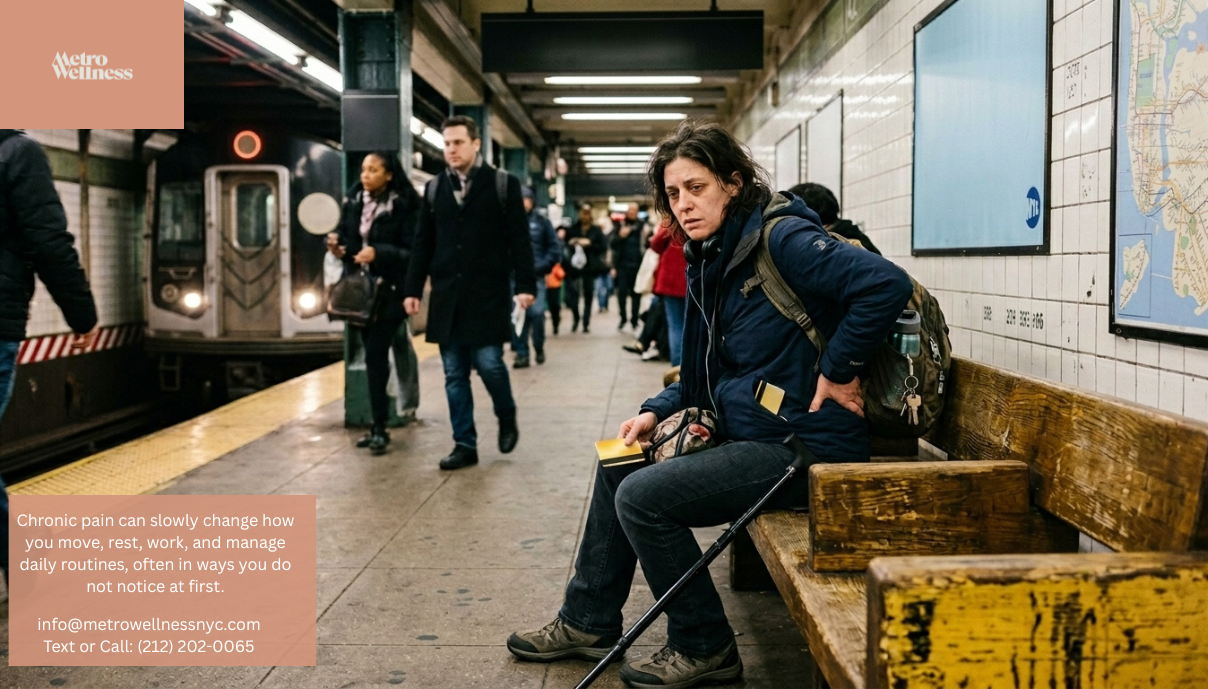
people think of pain as something temporary
Most people think of pain as something temporary, an injury, a flare-up, or a short-term problem that eventually fades. But when pain lasts for months or years, it does more than hurt. It begins to change how a person lives.
This is where chronic pain lifestyle changes become important to understand.
Long-term pain doesn’t just affect the body. It changes routines, habits, relationships, confidence, and even identity.
Many people first explore general chronic pain awareness to understand their symptoms, but over time, they realize the bigger challenge is learning how to live differently.
This article explains how chronic pain slowly reshapes everyday life, what changes people commonly experience, and why those adjustments happen.
Chronic Pain Changes More Than Physical Movement
At first, chronic pain often feels like a physical issue.
Maybe it starts with:
back pain
joint discomfort
nerve irritation
ongoing inflammation
But over time, people notice that the effect goes beyond movement.
Pain starts influencing:
How do they plan their day
how much energy they have
how often they socialize
how they think about their future
That is why lifestyle changes due to chronic pain often happen gradually, not all at once.
How Chronic Pain Affects Daily Habits
One of the first things pain changes is routine habits.
This includes:
waking up differently
moving more slowly in the morning
scheduling more rest
avoiding certain physical tasks
These subtle adjustments are examples of how chronic pain affects habits.
A person may not even realize how much has changed until they compare life before and after chronic pain.
This connects closely with how chronic pain affects quality life,where everyday structure begins adapting around symptoms.
How Pain Changes Daily Behavior
Pain influences behavior in powerful ways.
Many people begin:
avoiding stairs
choosing shorter outings
sitting differently
changing how they carry bags or lift objects
These are examples of how pain changes daily behavior.
The body naturally tries to protect itself.
This protective behavior helps in the short term, but over time, it can create new movement patterns and new discomfort.
Lifestyle Restrictions Caused by Chronic Pain
Long-term pain often creates invisible limits.
These lifestyle restrictions caused by chronic pain may include:
avoiding travel
reducing hobbies
declining social invitations
limiting exercise
At first, these changes may feel temporary.
But slowly, they become part of normal life.
This is one reason why chronic pain affects quality of life, which becomes such an important conversation.
Pain not only reduces comfort, but it can also reduce freedom.
Work and Productivity Often Change
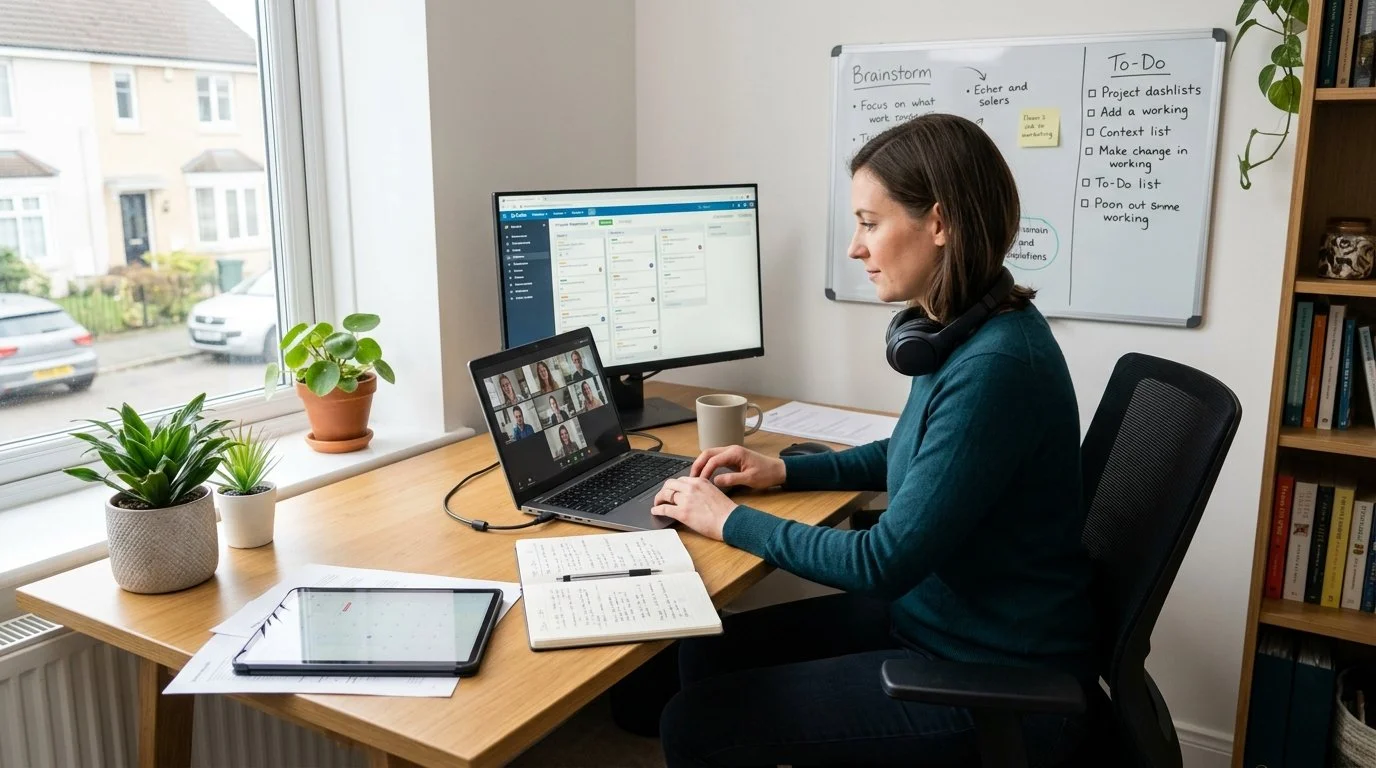
frequent breaks
Work life is another major area affected.
People often experience:
reduced focus
slower productivity
frequent breaks
less physical endurance
This is especially true when pain also causes fatigue.
As discussed in fatigue caused by chronic pain, energy loss often becomes part of daily life.
Work may still happen, but it usually happens differently.
Relationships and Social Life Shift
Pain changes relationships, too.
Friends and family may not fully understand invisible symptoms.
People may cancel plans more often.
They may feel:
guilty
misunderstood
emotionally tired
Over time, this can lead to social withdrawal.
The emotional effect is often underestimated but deeply important.
Emotional Identity Changes
Chronic pain can quietly affect identity.
People may start thinking:
“I can’t do what I used to do.”
“I’m not as independent.”
“My body feels unreliable.”
This emotional adjustment can be difficult.
Many people grieve the version of life they had before pain.
This is a normal part of adapting to long-term conditions.
Living Adjustments for Chronic Pain Patients
People naturally begin making living adjustments for chronic pain patients, such as:
changing furniture
using supportive tools
adjusting sleep positions
planning activities around energy levels
These changes are not signs of weakness.
They are signs of adaptation.
Healthy adaptation helps people function better over time.
Why Lifestyle Changes Happen Gradually
One reason people feel surprised by these changes is that they happen slowly.
Pain rarely changes life overnight.
Instead, it builds through stages.
This is also explained in stages of chronic pain progression, where physical symptoms gradually influence daily behavior and emotional responses.
Because the change is gradual, people often do not notice how much has shifted until much later.
When Fatigue Changes Lifestyle
Fatigue is often one of the biggest drivers of lifestyle change.
People begin:
going to bed earlier
canceling plans
reducing physical tasks
prioritizing rest
This is why fatigue is not just a side effect; it changes life structure.
The connection between energy and pain becomes impossible to ignore.
Practical Insights: Common Mistakes
Some common mistakes make lifestyle adaptation harder:
Waiting too long to adjust
Many people resist change because they hope pain will disappear.
Avoiding all movement
Too much rest often increases stiffness.
Comparing life to before
This can create emotional frustration.
Ignoring emotional changes
Mental adaptation matters as much as physical adaptation.
Healthy change begins with acceptance, not surrender.
Expert Perspective: Why Lifestyle Awareness Matters
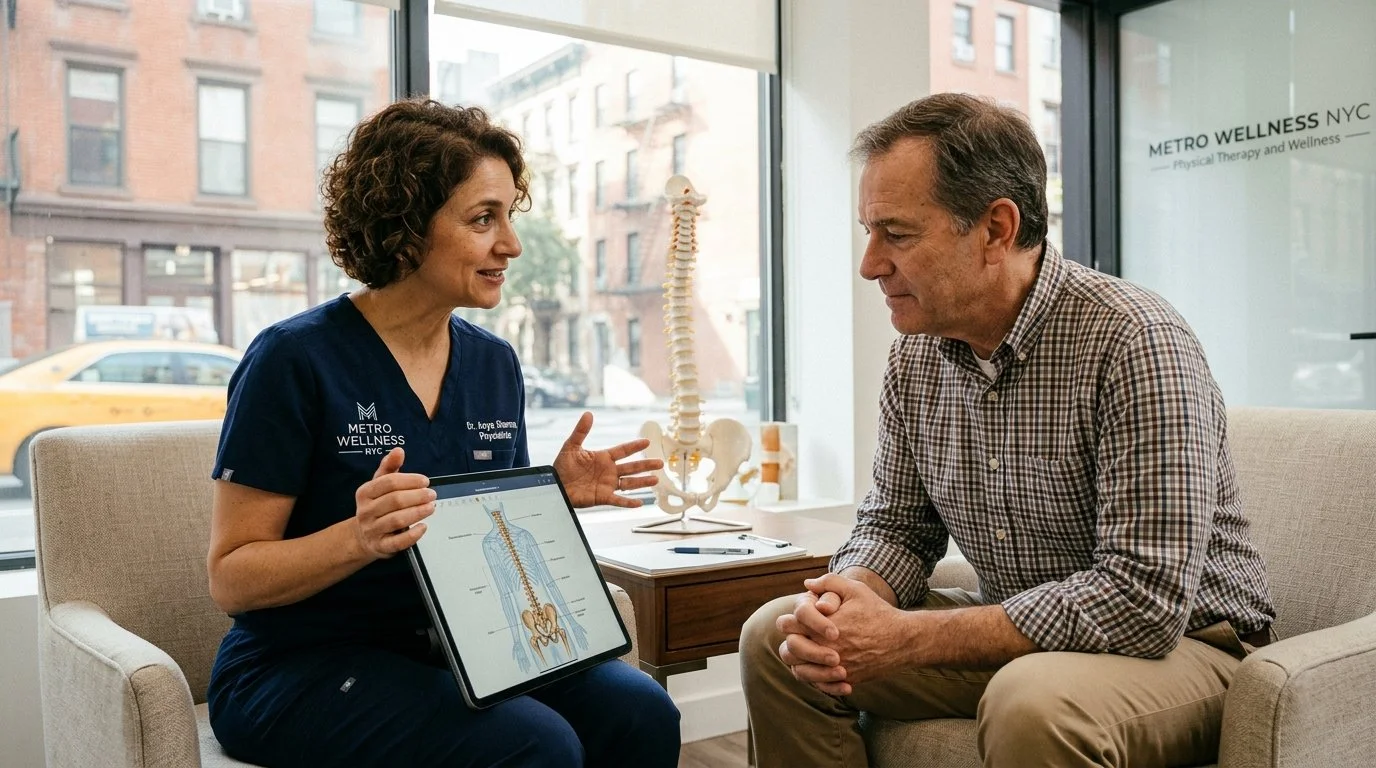
Lifestyle Awareness Matters
At clinics like Metro Wellness NYC, one of the key goals is helping patients understand not only pain but also how life changes around it.
Understanding how pain becomes chronic over time helps explain why habits, routines, and energy patterns evolve.
When people understand these patterns, they can make better daily choices and avoid unnecessary stress.
Awareness improves confidence.
Can Lifestyle Improve Again?
Yes. While chronic pain may create lifestyle changes, those changes do not have to mean permanent limitation.
With the right support, many people improve:
mobility
confidence
energy management
routine balance
The goal is not to return to the past.
The goal is to build a healthier present.
Conclusion
Chronic pain changes more than physical comfort; it changes daily life.
It affects habits, routines, work, sleep, relationships, and emotional wellbeing.
Understanding how chronic pain lifestyle changes help people recognize that these shifts are real and normal.
Awareness allows better adaptation.
And better adaptation creates a better quality of life.
Even when pain remains, life can still become more balanced and manageable.
FAQs
How does chronic pain change daily life?
It affects routines, energy, movement, sleep, work, and emotional wellbeing.
Why does chronic pain change habits?
People naturally adjust movements and activities to avoid discomfort.
Can chronic pain affect relationships?
Yes. It may reduce social activity and create emotional stress.
Are lifestyle changes from chronic pain permanent?
Not always. Many adjustments improve with proper support and management.
Can life feel normal again with chronic pain?
Many people regain balance and improve their quality of life through healthy adaptation.