How Chronic Pain Affects Quality of Life in New York City

Pain is often discussed as a physical problem
Pain is often discussed as a physical problem, something felt in the back, neck, joints, or muscles. But people living with long-term pain know something different: chronic pain rarely stays limited to one part of the body.
It affects routines. It changes habits. It influences mood, energy, sleep, and relationships.
That is why understanding how chronic pain affects quality of life is so important.
For many people, pain does not simply “hurt”; it slowly reshapes daily living. This often begins long before someone realizes how much has changed. As seen in conversations around how chronic pain affects the body, understanding pain means looking beyond symptoms and recognizing its wider impact on everyday life.
This article explores how chronic pain changes movement, mental health, routines, and overall wellbeing and why that impact deserves attention.
Chronic Pain Is More Than Physical Discomfort
Pain may begin in one area, but it rarely stays there emotionally or functionally.
At first, someone may notice a sore shoulder, aching knee, or persistent back pain, and many people begin looking for ways to ease back and neck pain before the discomfort starts affecting daily life.
Later, they begin noticing other changes:
less energy
more irritability
reduced activity
trouble concentrating
These changes often happen gradually.
That is why daily life with chronic pain can feel so different from living with short-term pain.
How Chronic Pain Affects Daily Routines
One of the first things chronic pain changes is routine.
Simple tasks begin requiring more effort.
People may need extra time for:
getting dressed
walking upstairs
sitting at work
driving
cleaning the house
This is part of chronic pain affecting everyday tasks.
Activities that once felt automatic now require planning.
Many people begin noticing how chronic pain affects their daily life before they realize pain has become a larger problem.
Pain Changes Mobility Over Time
Movement often changes quietly.
Someone stops bending as much.
They walk more slowly.
They avoid stairs.
They sit differently.
This is how chronic pain's impact on mobility often develops, not suddenly, but gradually.
The body begins adapting to avoid discomfort.
At first, that feels helpful.
Over time, it can create stiffness, weakness, and reduced confidence in movement.
Chronic Pain and Mental Health Are Closely Connected

Pain affects the nervous system
Pain affects the nervous system, but it also affects emotions.
That does not mean pain is “psychological.”
It means pain influences mental wellbeing.
Many people living with long-term pain experience:
frustration
anxiety
emotional fatigue
low motivation
social withdrawal
This is why chronic pain and mental health are deeply connected.
When pain is present every day, emotional stress naturally increases.
And stress can increase pain sensitivity.
That creates a difficult cycle.
Sleep and Energy Often Decline
People often expect pain.
They do not expect exhaustion.
Yet mental fatigue from constant pain is one of the most common long-term symptoms.
Why?
Because the body is constantly processing discomfort.
That drains mental and physical energy.
Many patients say:
“I’m tired even after sleeping.”
“I feel worn out all day.”
“My body feels heavy.”
That fatigue is part of the pain experience, not a separate problem.
Relationships Can Be Affected Too
Pain changes social life.
People may begin:
canceling plans
saying “no” more often
avoiding long outings
feeling misunderstood
Friends and family often see the physical symptoms but not the emotional burden.
This is one reason chronic pain and reduced activity levels often feel invisible to others.
The impact is real even when others cannot see it.
Work and Productivity Often Change
Long-term pain affects professional life too.
People may notice:
reduced focus
slower task completion
missed workdays
difficulty sitting or standing for long periods
This can affect confidence and identity.
For many adults, work is closely tied to independence.
Pain interfering with that can feel deeply personal.
Lifestyle Changes Happen Quietly
Most people do not notice these changes immediately.
They happen over time.
People begin:
choosing easier activities
avoiding long walks
staying home more often
resting more frequently
These are examples of chronic pain and lifestyle changes.
Sometimes these changes help.
Sometimes they quietly reduce the quality of life.
That is why awareness matters.
Why Pain Has Such a Broad Impact
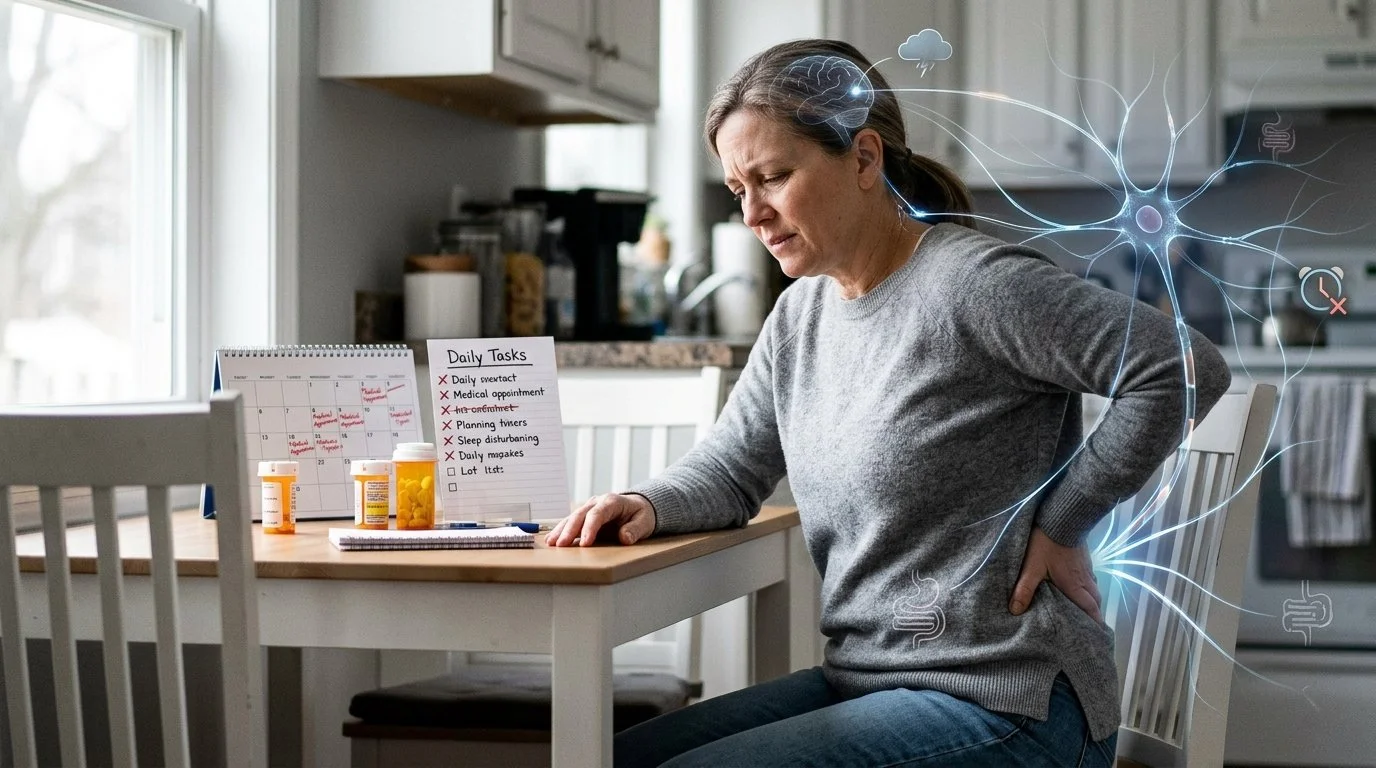
Pain affects the nervous system
Pain affects the nervous system, and the nervous system affects everything.
It influences:
sleep
movement
digestion
mood
attention
energy
This is why people exploring chronic pain after tissue recovery often discover that pain is not always about injury; it is about how the body keeps responding.
That broader understanding helps reduce confusion.
Practical Insights: What People Often Miss
A few misunderstandings are common:
I should push through it.
Sometimes pushing harder increases sensitivity.
Rest is always best.
Rest matters, but too much can reduce strength and confidence.
Pain only affects my body.
Pain affects routines, thoughts, relationships, and mood, too.
“If scans are normal, I should feel fine.”
Pain and healing do not always match.
These ideas often delay better recovery decisions.
Expert Perspective: Why Quality of Life Matters in Pain Care
At clinics like Metro Wellness NYC, treating chronic pain often means looking beyond symptoms.
Why?
Because success is not only about reducing pain.
It is about improving life.
Can someone walk more comfortably?
Sleep better?
Return to daily activities?
Feel more confident?
Those outcomes matter deeply.
Understanding nerve pain turning into chronic pain helps explain why this broader view is so important.
Recovery Is About Function, Not Perfection
Many people believe recovery means zero pain.
That is not always realistic.
Often, recovery means:
better movement
improved sleep
more daily freedom
less fear
stronger routines
That is meaningful progress.
And for many patients, that is what improves quality of life most.
Conclusion
Chronic pain affects more than the body.
It changes routines, movement, sleep, energy, work, and relationships.
That is why understanding how chronic pain affects quality of life matters so much.
Pain may begin as a symptom, but over time, it can become part of daily living.
The good news is that awareness changes how people respond.
Once people understand the broader impact of pain, they can make more informed choices about care, recovery, and long-term wellbeing.
FAQs
How does chronic pain affect daily life?
It can change routines, reduce energy, limit movement, and make everyday tasks harder.
Does chronic pain affect mental health?
Yes. Long-term pain often increases emotional stress, anxiety, and fatigue.
Why does chronic pain cause fatigue?
The nervous system constantly processes pain signals, which drains energy over time.
Can chronic pain affect work?
Yes. It may reduce focus, productivity, and physical comfort during work.
Can quality of life improve with chronic pain?
Yes. Many people improve their daily function and wellbeing with proper long-term care.