Real Daily Challenges of Chronic Pain in New York City
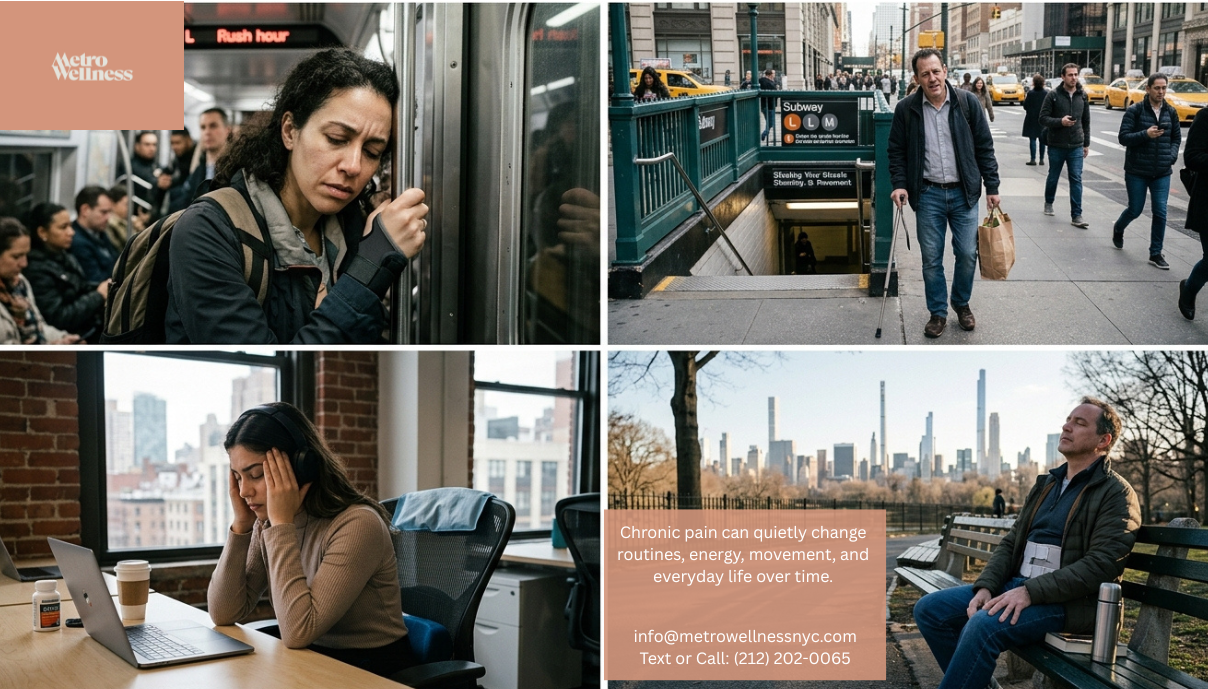
Real Daily Challenges of Chronic Pain
Living with chronic pain is often misunderstood as simply “dealing with discomfort.” In reality, it is a constant negotiation with the body, energy levels, emotions, and everyday responsibilities.
The problems living with chronic pain daily are not always visible from the outside. A person may look fine, even while struggling to complete simple tasks or maintain routines.
Many people first learn about this condition through general discussions like chronic pain education, but daily experience reveals a much deeper reality: pain is not just a symptom; it becomes part of life's structure.
This article explores the real-world challenges people face every day, how routines change, and why chronic pain affects far more than physical comfort.
How Chronic Pain Changes Everyday Living
Daily life with chronic pain is rarely predictable.
One day may feel manageable. The next may feel overwhelming.
This unpredictability is one of the biggest daily challenges of chronic pain.
Simple activities begin requiring planning:
getting out of bed
preparing meals
commuting
standing for long periods
What once felt automatic now requires awareness and pacing.
These shifts are often subtle at first, but they gradually reshape lifestyle patterns.
Chronic Pain and Daily Routine Disruption
One of the earliest impacts people notice is chronic pain, a daily routine disruption, which often makes managing chronic pain a key part of maintaining normal daily activities and comfort.
Routine is what gives structure to life: wake up, work, eat, rest, repeat.
Chronic pain interrupts this structure.
For example:
Mornings may start slower due to stiffness
Work productivity may vary depending on pain levels
Evenings may require more rest than planned
Over time, routines become less predictable.
This often connects with patterns explained in chronic pain and lifestyle limitations, where normal structure gradually adapts around symptoms instead of goals.
Emotional Stress of Chronic Pain
Pain is not only physical, but it also carries emotional weight.
The emotional stress of chronic pain often builds slowly.
People may experience:
frustration from limitations
worry about future health
irritation from constant discomfort
feeling misunderstood by others
This emotional layer is just as real as the physical sensation.
Many individuals also begin noticing how stress increases pain sensitivity, creating a feedback loop between body and mind.
This connection is also explored in discussions around chronic pain's impact on mobility, where emotional wellbeing becomes part of the overall experience.
Reduced Activity Levels and Physical Impact
As pain continues, activity levels often change.
This is known as chronic pain, and reduced activity levels.
People may:
walk less
avoid exercise
reduce social outings
Take more breaks during the day
While this is often a natural response to discomfort, it can also lead to stiffness and reduced strength over time.
This is why gradual, mindful movement is often encouraged rather than complete inactivity.
Invisible Pain: Daily Struggles
One of the hardest parts of chronic pain is that it is often invisible.
The invisible pain of daily struggles includes:
being questioned about symptoms
feeling misunderstood
hiding discomfort in public
pushing through tasks silently
Because pain is not always visible, others may not realize how much effort simple actions require.
This emotional invisibility can feel isolating, even when support is available.
How Fatigue Becomes Part of Daily Life
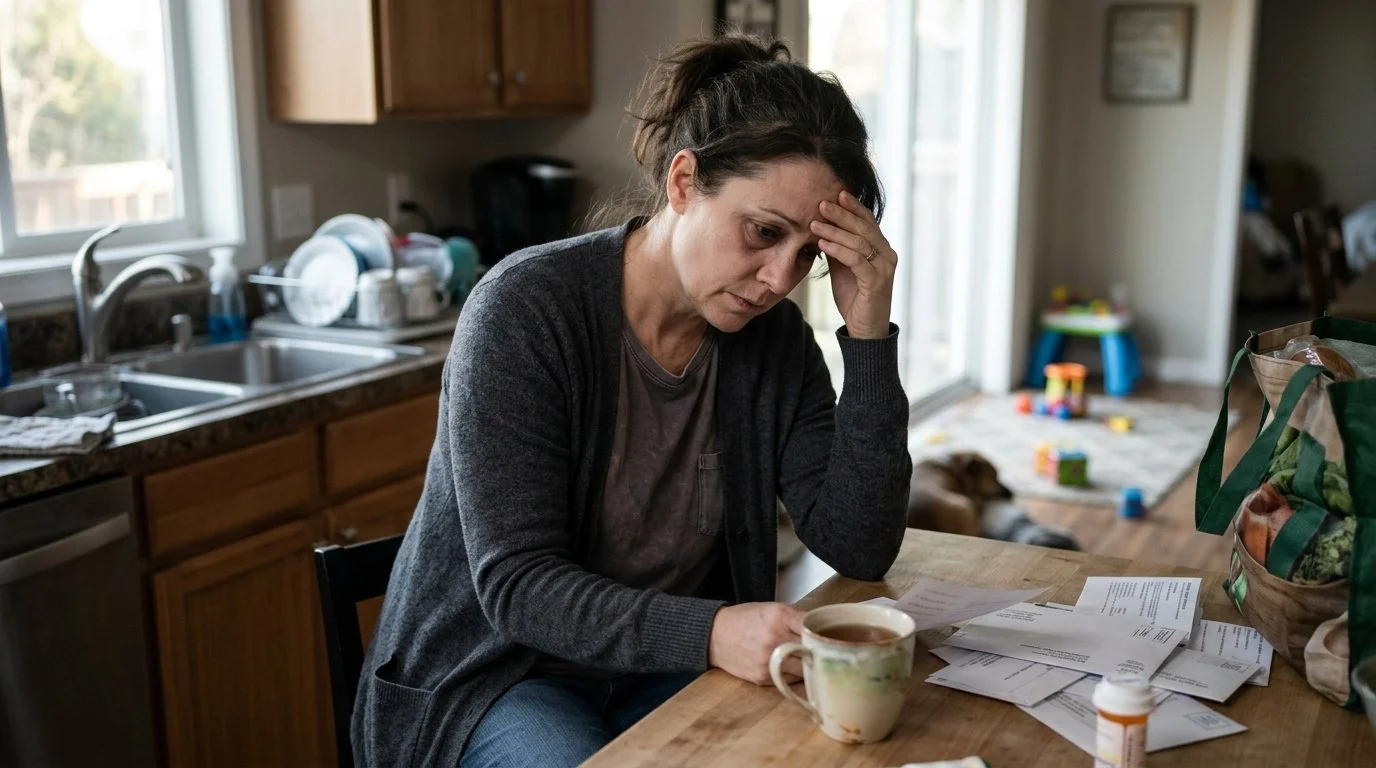
Fatigue Becomes Part of Daily Life
Fatigue is one of the most common experiences in chronic pain.
It is not just tiredness; it is full-body exhaustion.
This connects closely with mental fatigue from constant pain, where the nervous system constantly processes discomfort, using more energy than normal.
People often describe:
waking up tired
needing frequent rest
low motivation for activities
mental fog
Fatigue becomes part of daily planning, not just a symptom.
Work and Productivity Challenges
Work life is often significantly affected.
Concentration may fluctuate depending on pain levels.
Tasks may take longer.
Breaks may be needed more frequently.
This leads to inconsistency in productivity, which can feel frustrating for many individuals.
Some people adjust work schedules or roles to better match their physical capacity.
Social Life and Isolation
Chronic pain often impacts relationships and social activity.
Plans may be canceled at the last minute.
Energy may not match social expectations.
Over time, people may begin withdrawing not because they want to, but because they have to.
This slow reduction in social activity can affect emotional wellbeing and increase feelings of isolation.
Why Daily Life Feels Unpredictable
One of the most difficult aspects is unpredictability.
Pain does not always follow a pattern.
It may change based on:
sleep quality
stress levels
weather changes
physical activity
This unpredictability makes planning difficult.
It also contributes to emotional stress, as individuals often feel unsure about how they will feel from one day to the next.
Practical Insights: Common Mistakes People Make
A few common misunderstandings often make daily life harder:
Ignoring early symptoms
Small discomforts can become long-term patterns if ignored.
Over-resting
Too much rest can reduce mobility and increase stiffness.
Pushing through every task
Ignoring pain signals may lead to flare-ups.
Not adjusting routines
Rigid routines may increase stress when flexibility is needed.
Understanding these patterns helps create balance.
Expert Perspective: Why Daily Management Matters
At clinics like Metro Wellness NYC, daily functioning is often a key focus of care.
The goal is not only pain reduction but also improving how people live with pain.
Understanding central sensitization of chronic pain helps explain why daily habits, nervous system responses, and emotional wellbeing all matter together.
Small changes in daily routine can significantly influence long-term comfort.
Connection Between Daily Life and Long-Term Pain

Daily challenges are not separate from chronic pain
Daily challenges are not separate from chronic pain; they are part of it.
When pain continues over time, it influences:
physical movement
emotional stability
energy levels
social participation
This is also closely linked to nerve damage pain symptoms, where different pain types can create different daily experiences.
Conclusion
Living with chronic pain is not just about managing symptoms; it is about managing life around those symptoms.
The problems living with chronic pain daily include physical limitations, emotional stress, fatigue, and routine disruption.
But understanding these challenges brings clarity.
Once people recognize how pain affects daily life, they can make more informed choices, adjust routines, and seek better support.
Chronic pain does not define a person, but it does change how daily life is experienced.
With awareness and support, those changes can become more manageable over time.
FAQs
What are the main daily problems of chronic pain?
They include fatigue, reduced mobility, routine disruption, and emotional stress.
Why does chronic pain affect daily routine?
Because pain influences energy levels, movement, and focus throughout the day.
Can chronic pain cause emotional stress?
Yes. Ongoing discomfort often leads to frustration, anxiety, and mental fatigue.
Why is chronic pain unpredictable?
It can vary based on sleep, stress, activity, and nervous system sensitivity.
Can daily life improve with chronic pain?
Yes. With proper management, routines, and quality of life can improve over time.