How Chronic Pain Affects Work, Sleep, and Daily Life in New York City
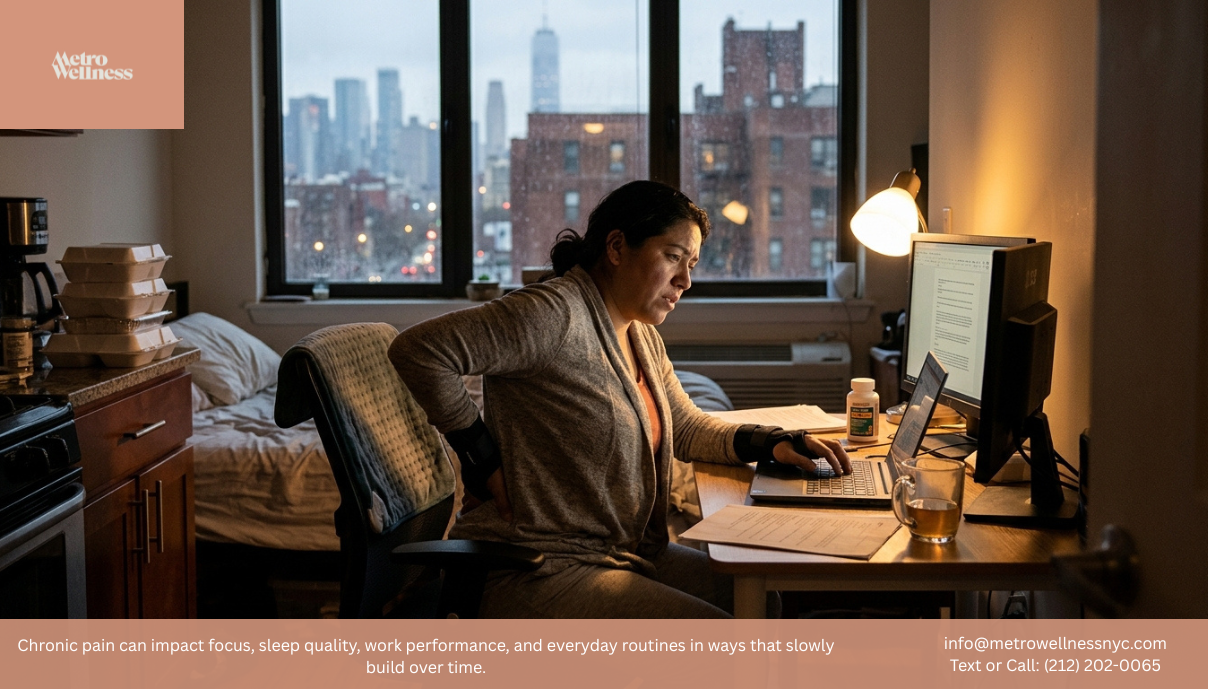
Chronic Pain Affects Work, Sleep
Chronic pain is often thought of as something that only affects the body. But in reality, it influences almost every part of daily living, especially work, sleep, and routine activities.
Many people begin their journey by trying to understand general chronic pain awareness, but the real impact becomes clear only when pain starts interfering with normal life patterns.
Understanding how chronic pain affects routine life is important because it goes far beyond physical discomfort. It influences how a person works, sleeps, thinks, and functions throughout the day.
This article explains these real-life effects in a simple, practical way so readers can better understand what is happening in the body and why daily life starts to change.
How Chronic Pain Disrupts Work Life
Work is one of the first areas affected by chronic pain.
Tasks that once felt simple may start requiring extra effort and focus.
People often notice:
difficulty sitting or standing for long periods
reduced productivity
frequent breaks due to discomfort
slower task completion
This contributes to the overall daily life impact of chronic pain, where even professional responsibilities begin to feel heavier.
Many individuals also experience inconsistent performance on good days followed by difficult ones.
This unpredictability can make work life stressful and exhausting.
Chronic Pain and Concentration Problems
One of the less visible effects of chronic pain is difficulty focusing.
This is often referred to as chronic pain concentration problems.
Pain demands attention from the brain, even when a person is trying to focus on something else.
As a result, people may experience:
difficulty staying focused
forgetfulness
slower decision-making
mental fatigue
This is not a lack of ability; it is the brain managing constant pain signals while trying to perform other tasks.
Over time, this can make even simple work feel mentally draining.
Chronic Pain and Sleep Problems
Sleep is deeply connected to pain.
Many individuals with long-term pain experience chronic pain and sleep problems, such as:
difficulty falling asleep
waking up during the night
restless sleep
not feeling refreshed in the morning
Pain often becomes more noticeable at night when distractions are reduced.
Poor sleep then increases pain sensitivity the next day.
This creates a cycle where pain affects sleep, and poor sleep increases pain perception.
Emotional Effects of Chronic Pain Daily
Chronic pain is not only physical, it also affects emotional wellbeing.
The emotional effects of chronic pain daily may include:
frustration
irritability
anxiety about future health
feeling overwhelmed
reduced motivation
When pain continues for a long time, emotional energy naturally becomes affected.
This emotional strain is also connected to broader discussions in chronic pain and mental health, where physical and emotional responses influence each other.
How Chronic Pain Changes Daily Routine
Daily routine often becomes less predictable.
Simple tasks may take longer or require adjustments.
People may:
Delay morning activities
reduce household tasks
Take frequent rest breaks
avoid physically demanding chores
These shifts are part of chronic pain and lifestyle limitations, where life slowly adapts around pain levels instead of planned schedules.
Over time, routine flexibility becomes necessary for managing energy and discomfort.
Fatigue and Energy Loss During the Day

body uses more energy to manage discomfort
Fatigue is one of the most common challenges in chronic pain.
The body uses more energy to manage discomfort, which leads to constant tiredness.
This is often connected with fatigue caused by chronic pain, where exhaustion becomes part of daily functioning.
People often describe:
feeling tired even after rest
low energy throughout the day
difficulty completing long tasks
needing more recovery time
Fatigue affects both physical and mental performance, making daily life more demanding.
Reduced Activity Levels and Lifestyle Changes
As pain continues, activity levels often decrease naturally.
People begin avoiding movements that increase discomfort.
This leads to chronic pain and reduced activity levels, such as:
walking less
avoiding exercise
limiting social outings
reducing physical tasks
Over time, these changes influence overall lifestyle habits and daily structure.
This is also part of how chronic pain lifestyle changes, where routines and habits gradually shift to match physical capacity.
Why Work, Sleep, and Routine Are All Connected
Work, sleep, and daily life are not separate systems; they influence each other.
For example:
Poor sleep reduces focus at work
Work stress increases emotional strain
Emotional strain increases pain sensitivity
This cycle makes chronic pain more noticeable across all areas of life.
Understanding this connection helps explain why recovery often requires a balanced approach rather than focusing on only one symptom.
Practical Insights: What People Often Misunderstand
Several misconceptions make chronic pain harder to manage:
Pain only affects the body
Pain also affects sleep, focus, emotions, and energy.
Rest always fixes the problem
Too much rest may increase stiffness and reduce strength.
If I push harder, it will go away
Overexertion can increase pain sensitivity.
Normal tests mean no real pain
Pain and test results do not always match.
Understanding these points helps people respond more effectively.
Expert Perspective: Why Daily Function Matters in Care
At clinics like Metro Wellness NYC, the focus is often on improving daily function, not just reducing pain intensity.
Understanding how pain becomes chronic over time helps explain why symptoms affect multiple areas like sleep, work, and energy.
When patients improve their daily function, even small changes can significantly improve their quality of life.
This approach focuses on practical recovery, not perfection.
How Awareness Helps Improve Daily Life

They reduce unnecessary stress
Awareness plays an important role in managing chronic pain.
When people understand their condition:
They make better activity decisions
They reduce unnecessary stress
They improve pacing strategies
They recognize triggers early
This connects with broader ideas in chronic pain awareness, where understanding pain leads to better long-term management.
Conclusion
Chronic pain affects far more than physical comfort.
It influences work performance, sleep quality, emotional wellbeing, energy levels, and daily routines.
Understanding how chronic pain affects routine life helps people see the bigger picture rather than focusing only on symptoms, which is why some patients explore options like spinal decompression therapy to support movement and reduce pressure on the spine.
With awareness and balanced management, many individuals can improve daily function and regain more control over their lifestyle.
The goal is not just to reduce pain but to improve how life feels day to day.
FAQs
How does chronic pain affect work life?
It can reduce focus, productivity, and energy, making tasks harder to complete consistently.
Can chronic pain affect sleep?
Yes. Pain can disturb sleep patterns and reduce sleep quality.
Why does chronic pain cause fatigue?
Because the body uses extra energy to manage constant pain signals.
Does chronic pain affect mental health?
Yes. It can lead to stress, anxiety, and emotional exhaustion.
Can lifestyle changes help chronic pain?
Yes. Adjusting routines and activity levels can help improve daily functioning.