The Science Behind Cupping Therapy for Muscle Pain Relief
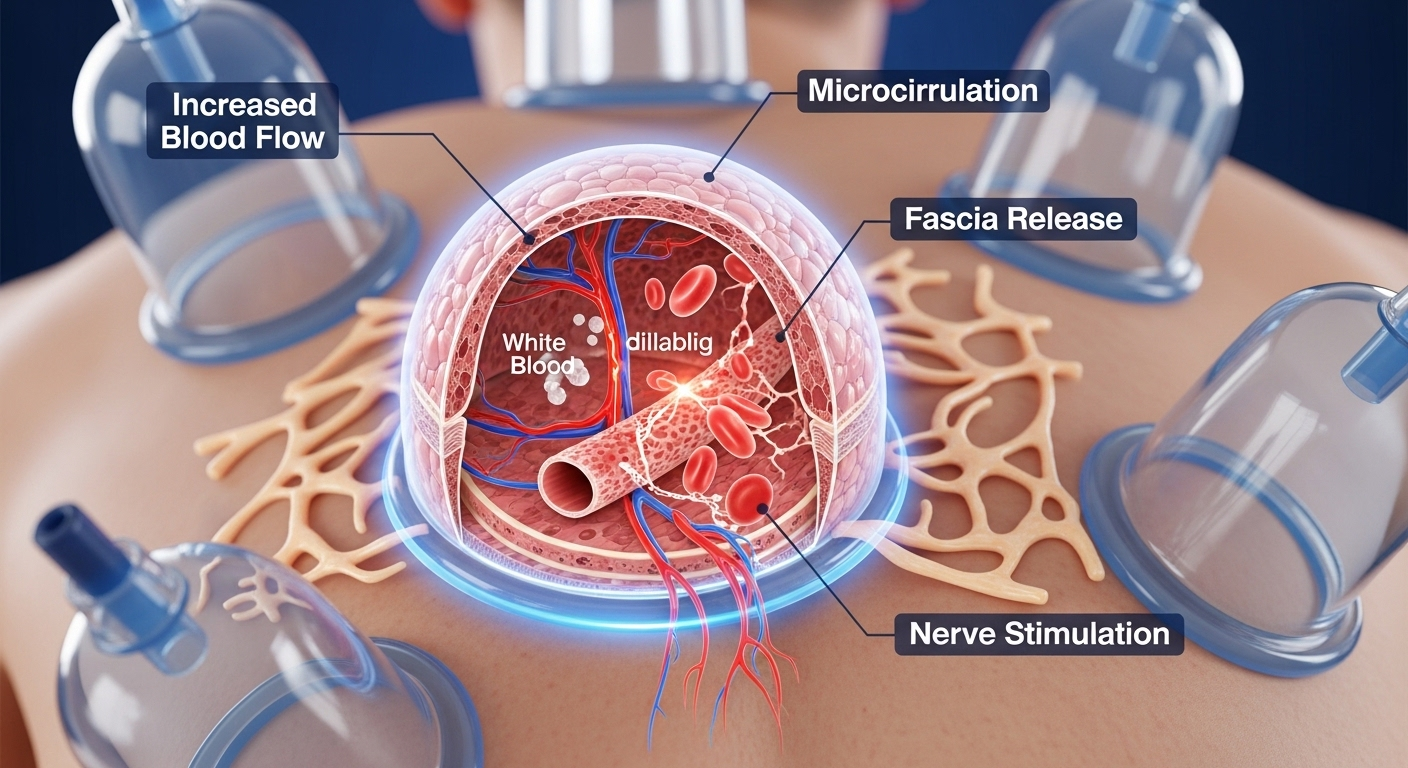
Science Behind Cupping Therapy
If you’ve ever watched athletes or wellness enthusiasts undergo cupping therapy for muscle pain, you might have wondered what’s really happening. The circular marks left on the skin may look intense, but there’s a scientific process behind this ancient therapy that can offer real benefits.
Cupping therapy has been used for centuries across cultures, from traditional Chinese medicine to modern wellness practices. Today, it’s increasingly popular in sports recovery, physical therapy, and pain management techniques for everyday muscle tension. Understanding how it works, who it can help, and what to expect can give you confidence if you’re considering it as part of your routine.
What Is Cupping Therapy?
Cupping therapy for muscle pain is a technique where cups create suction on the skin, gently pulling underlying tissue upward. This suction promotes blood flow, loosens tight muscles, and stimulates the body’s natural healing processes.
The cups can be made of glass, silicone, or plastic, and they are usually applied along the back, shoulders, calves, or other areas prone to tension. By increasing circulation, cupping can relieve discomfort caused by muscle knots and chronic tension.
How Does Cupping Therapy Work?
Cupping therapy works through a combination of suction and localized pressure:
Increased Blood Flow: The suction draws blood to the treated area, providing oxygen and nutrients that support recovery.
Muscle Relaxation: The gentle pull stretches tight muscles and fascia, helping reduce stiffness and calf pain or other localized discomfort.
Trigger Point Relief: By targeting knots and tense spots, cupping helps break up adhesions and reduce pain signals.
Lymphatic Drainage: The therapy promotes waste removal from tissues, which can decrease inflammation and soreness.
This combination explains why many patients report feeling lighter, looser, and more relaxed after a session.
Types of Cupping Therapy
1. Dry Cupping
Dry cupping uses suction alone, leaving circular marks but no other intervention. It’s effective for general muscle relaxation, reducing tension, and promoting blood flow.
2. Wet Cupping
Wet cupping involves creating small, controlled punctures to draw out a tiny amount of blood. This method is less common and usually done under strict medical supervision, aimed at releasing toxins and deeper congestion.
3. Moving Cupping (Massage Cupping)
Also called sliding cupping, this technique uses oil and moves the cups across the skin. It combines massage benefits with suction, particularly helpful for suction cups for muscle knots and areas with tight fascia.
Benefits of Cupping for Muscle Pain
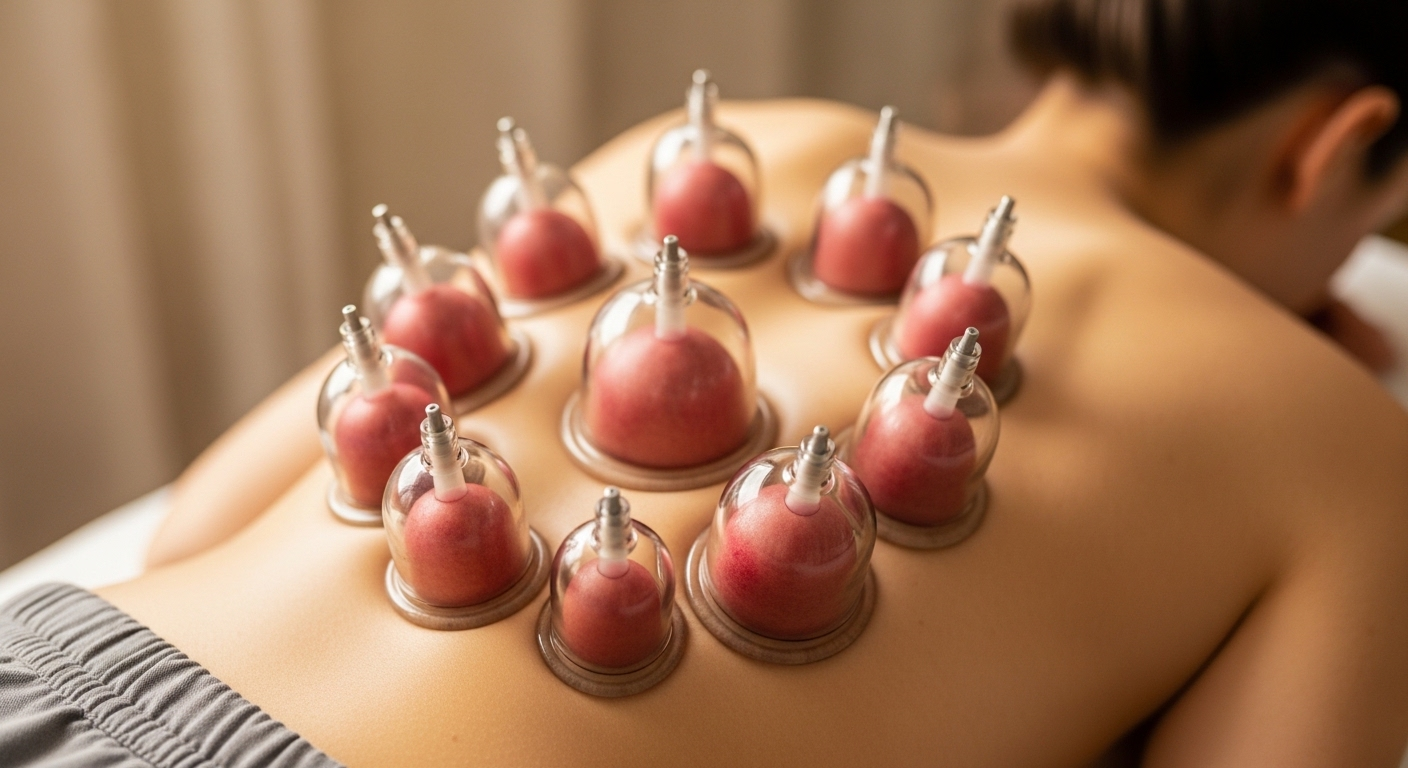
Benefits of Cupping for Muscle Pain
Cupping therapy offers multiple benefits beyond immediate pain relief:
Reduces muscle knots and stiffness
Improves circulation and oxygen delivery to tissues
Supports recovery from exercise or physical activity
Promotes relaxation and stress relief
Can help with chronic pain, particularly in the back, neck, and calves
Research and community observations suggest that regular cupping sessions, combined with stretching and pain therapy exercises, enhance recovery and reduce discomfort over time.
Who Can Benefit from Cupping?
Cupping isn’t just for athletes. It can help:
Office workers with tight shoulders and back tension
People with chronic muscle stiffness or minor aches
Individuals recovering from sports or intense workouts
Anyone looking for a non-invasive pain management technique
Always consult a trained professional, especially if you have medical conditions, skin sensitivities, or circulation issues.
Common Misconceptions
It’s Just a Trend
Cupping has been practiced for thousands of years in traditional medicine systems. Modern research supports its effects on circulation, muscle relaxation, and trigger points.
The Marks Mean Bruises Are Harmful
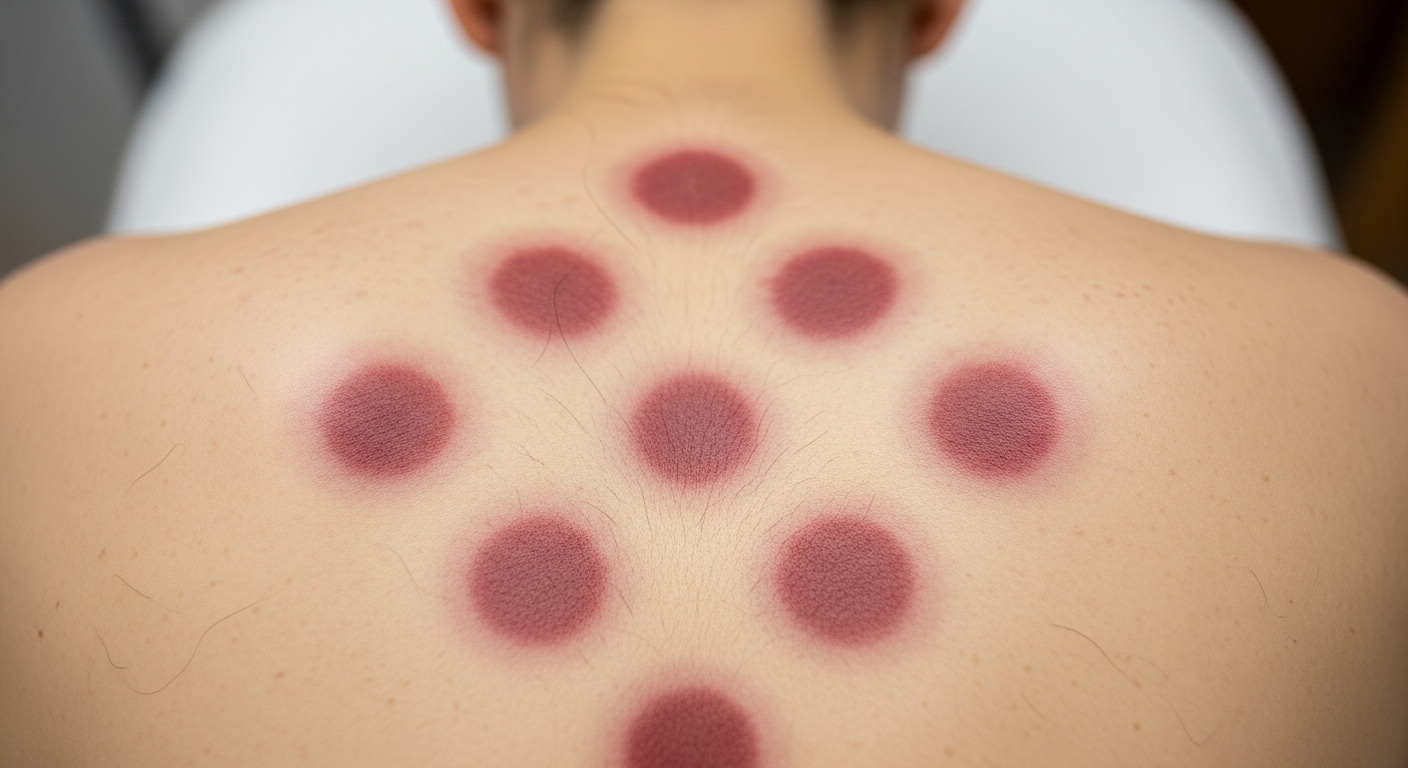
The Marks Mean Bruises Are Harmful
Circular marks from cupping are usually harmless and fade within a week. They indicate increased blood flow and tissue release, not injury.
It Will Hurt
Most patients report mild pressure during therapy, with the sensation described as a deep, relaxing pull rather than pain.
What to Expect During a Session?
Consultation: Your therapist will review your medical history and discuss areas of tension.
Application: Cups are applied to target areas, sometimes with gentle heat or oil.
Suction Duration: Cups usually stay in place for 5–15 minutes, depending on the area and your comfort.
Post-Session Care: Light stretching, hydration, and rest are recommended to maximize benefits.
After a session, you may notice increased mobility, reduced tightness, or a sense of overall relaxation.
Practical Tips for Maximum Effect
Stay Hydrated: Proper hydration supports circulation and tissue recovery.
Communicate: Let your therapist know your comfort level and any sensitive areas.
Combine Therapies: Cupping is most effective alongside stretching, massage, or chiropractic therapy.
Regular Sessions: Occasional treatments help manage tension, while regular sessions can prevent chronic issues.
Expert Perspective

part of an integrative approach
Experienced practitioners emphasize that cupping is part of an integrative approach. Combining cupping with physical therapy, exercise, and pain management techniques addresses both symptoms and underlying causes. Proper technique and understanding of anatomy are essential to ensure safety and maximize results.
Conclusion
Cupping therapy for muscle pain is more than just a visual trend — it’s a scientifically supported method to reduce tension, improve circulation, and aid recovery. Whether you’re dealing with muscle knots, calf pain, or chronic soreness, cupping can be a valuable addition to your wellness routine.
Approaching therapy with realistic expectations and guidance from a trained professional helps ensure safe, effective results. Integrating cupping with exercises, stretching, and lifestyle adjustments supports long-term comfort, flexibility, and pain relief.
About Us: If muscle tension or chronic soreness is affecting your comfort, schedule a consultation to receive personalized guidance on cupping therapy, targeted exercises, and lifestyle adjustments to support long-term relief, flexibility, and wellness.
FAQs
1. Does cupping therapy hurt?
Most patients feel gentle suction and mild pressure. Serious pain is rare.
2. How long do cupping marks last?
Typically 3–7 days, depending on skin sensitivity and suction intensity.
3. Can cupping help chronic muscle pain?
Yes, it can relieve tension and support circulation in affected areas, often complementing other pain management techniques.
4. Is cupping safe for everyone?
It’s generally safe when performed by trained professionals. Avoid cupping if you have skin conditions, bleeding disorders, or severe medical issues.
5. Can cupping replace physical therapy or chiropractic care?
Cupping is complementary. Combining it with exercises, chiropractic therapy, or other treatments often produces the best results.