Daily Habits That Protect Your Spine and Prevent Back Pain
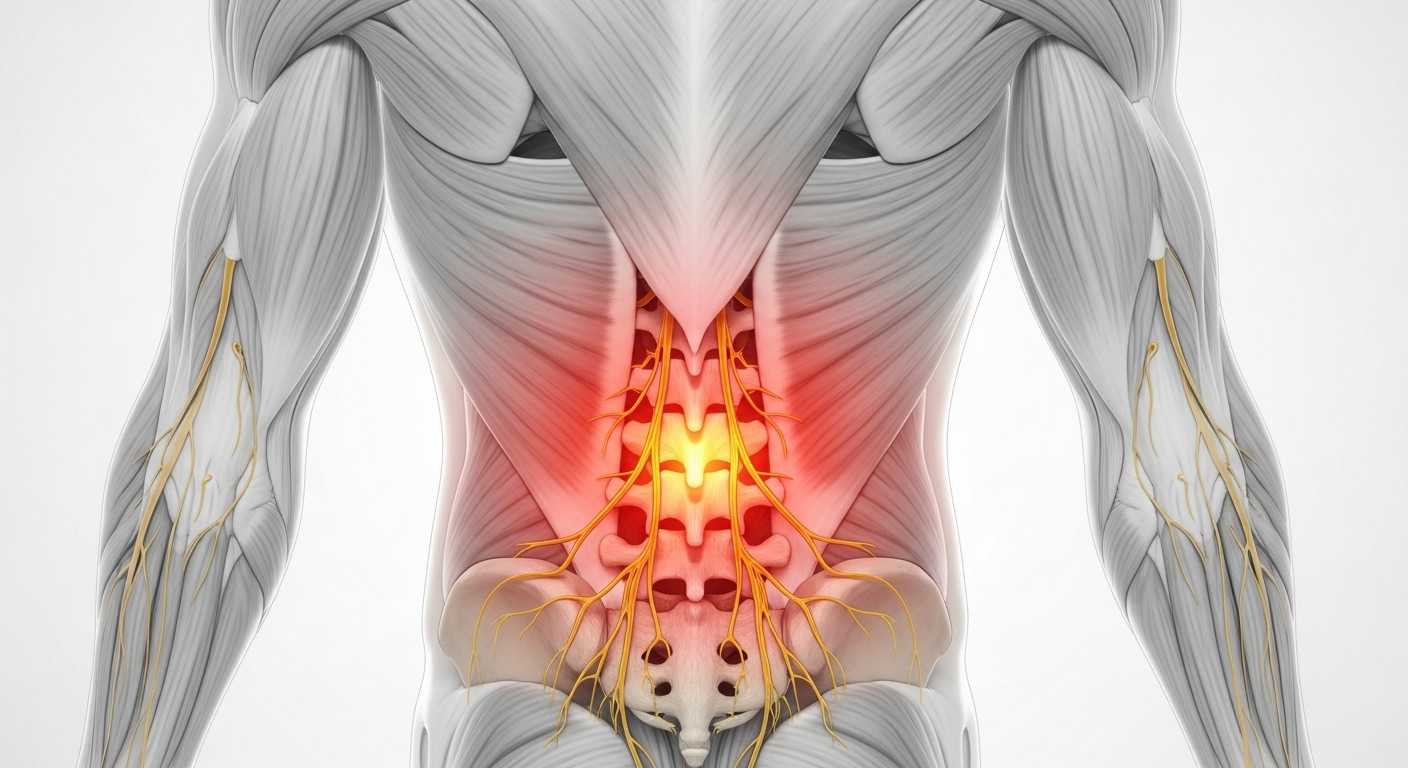
Protect Your Spine and Prevent Back Pain
Back pain affects millions of people every day. Whether it’s a dull ache after sitting at a desk or sharp discomfort from lifting incorrectly, the spine takes the brunt of modern life. The good news is that small, consistent habits can protect your back and reduce the risk of chronic pain.
Building habits to prevent back pain doesn’t require complicated routines. Simple daily practices, awareness of posture, and strategic stretches can make a noticeable difference. Over time, these habits become second nature, keeping your spine healthy and pain-free.
Why Daily Spine Care Matters?
Our spines are under constant stress. Sitting for hours, improper lifting, and weak core muscles contribute to wear and tear. Even mild, repetitive strain can lead to discomfort, stiffness, or more serious issues over time.
Daily attention to your back helps:
Maintain proper posture
Reduce tension and tightness
Prevent chronic pain
Improve mobility and flexibility
Support overall health and wellness
Focusing on small, daily actions is more effective than occasional intense interventions.
Habit 1: Maintain Proper Posture Throughout the Day
Poor posture is one of the most common causes of back pain. Slouching or leaning forward while sitting can strain muscles and compress spinal discs.
Tips for better posture:
Keep your back straight and shoulders relaxed
Align your ears, shoulders, and hips while sitting
Avoid leaning forward for prolonged periods
Use a supportive chair or lumbar cushion if needed
Incorporating these adjustments can help avoid back pain at work and reduce cumulative stress on your spine.
Habit 2: Move Regularly
Sitting or standing in one position for too long leads to stiffness. Movement keeps your muscles engaged and promotes blood flow.
Practical suggestions:
Take 5–10 minute breaks every hour to stand, walk, or stretch
Use a standing desk for part of the day if possible
Perform light stretches to relieve tension, like side bends or gentle twists
Even simple movement breaks support a healthy back routine and prevent long-term discomfort.
Habit 3: Incorporate Targeted Stretches
Stretching is essential for maintaining flexibility and reducing tension. Focus on areas that tend to get tight: hamstrings, hips, shoulders, and lower back.
Recommended stretches:
Back stretch while sitting: Sit upright, extend arms forward, and gently reach to stretch your upper back
Cat-Cow pose (yoga): Mobilizes the spine and releases tension
Hip flexor stretches: Prevent tight hips from pulling on the lower back
Regular stretching is a core part of yoga positions for back pain and can be done in short daily sessions.
Habit 4: Strengthen Core Muscles
A strong core stabilizes the spine and distributes pressure evenly. Core exercises don’t need to be extreme; gentle, consistent routines are effective.
Simple exercises:
Planks (hold for 20–60 seconds)
Bridges to strengthen the glutes and lower back
Gentle abdominal tightening exercises
Strengthening your core helps stop back pain before it starts and supports better posture naturally.
Habit 5: Mind Your Lifting and Movements
Lifting incorrectly is a common cause of sudden back injury. Paying attention to your technique protects your spine.
Key tips:
Bend your knees, not your waist
Keep the load close to your body
Avoid twisting while lifting
Ask for help with heavy objects
Even minor adjustments prevent acute injuries and support long-term back health.
Habit 6: Prioritize Ergonomics at Work

Prioritize Ergonomics at Work
Work environments can either protect your spine or strain it. Simple changes in your workspace help maintain comfort throughout the day.
Ergonomic strategies:
Position your computer screen at eye level
Use a chair with lumbar support
Keep feet flat on the floor or on a footrest
Arrange frequently used items within easy reach
These changes are especially important for avoiding back pain at work and minimizing stress from repetitive strain.
Habit 7: Stay Hydrated and Nourished
Hydration and nutrition play a surprisingly important role in spinal health. Discs rely on water for flexibility, and muscles need nutrients to function properly.
Practical habits:
Drink water consistently throughout the day
Eat calcium and vitamin D-rich foods to support bone strength
Include anti-inflammatory foods like leafy greens and fatty fish
Healthy habits from the inside out support your back health, daily routine, and resilience to stress.
Habit 8: Incorporate Relaxation and Stress Management
Tension from stress can manifest physically, increasing back pain. Mindful relaxation reduces muscular tension and improves overall well-being.
Methods to consider:
Gentle yoga or stretching
Breathing exercises
Short meditation or mindfulness sessions
Managing stress complements other habits to prevent back pain and helps maintain flexibility in the spine and muscles.
Practical Insights: Common Mistakes
Ignoring discomfort: Small aches are early warnings; address them with stretches or movement.
Sitting too long: Even with good posture, prolonged sitting strains the back.
Skipping core exercises: Without muscle support, the spine takes extra load.
Being aware of these mistakes can help you stay proactive and protect your back before problems worsen.
Expert Perspective
preventing back pain
Spine health experts emphasize that preventing back pain is more effective than treating it after onset. Integrating ha bits to prevent back pain into daily life, movement, posture, stretches, and core exercises creates a cumulative protective effect. Consistency is key: small daily actions build stronger, healthier backs over time.
Conclusion
Protecting your spine doesn’t require drastic changes. By adopting simple habits to prevent back pain, maintaining posture, stretching, moving regularly, and strengthening your core, you can reduce discomfort, avoid injury, and support lifelong spinal health.
Even small adjustments like taking movement breaks at work or doing a short stretch each day add up to lasting relief. Start incorporating these habits today and make spine care a natural part of your routine.
About Us: If you want to protect your spine and reduce back discomfort, schedule a consultation to receive personalized guidance on posture, stretching, core strengthening, and daily habits that support long-term spinal health and overall wellness.
FAQs
1. What are simple habits to prevent back pain at work?
Take movement breaks, maintain posture, and adjust your workstation ergonomics to reduce stress on the spine.
2. Can yoga help with back pain prevention?
Yes, yoga positions for back pain improve flexibility, strengthen muscles, and reduce tension.
3. How often should I stretch to prevent back pain?
Short daily stretches, even 5–10 minutes, help relieve tension and maintain flexibility.
4. Is strengthening core muscles important for back health?
Absolutely. A strong core supports your spine and helps stop back pain before it starts.
5. Can hydration impact back health?
Yes, discs rely on water for flexibility, and proper hydration supports muscle function and recovery.