Travel, Stress, and Cold Weather: Why Winter Aches Are So Common
The Winter Wellness Challenge
Every year, as temperatures drop, more people experience sore necks, stiff backs, and aching shoulders — even without major injuries. While it’s tempting to blame the cold alone, the real cause is a combination of cold-induced muscle tightening, postural strain from travel, and elevated stress levels during the holiday season.
At Metro Wellness NYC, we often see an uptick in patients seeking relief from winter-related pain. Our team of chiropractors, physical therapists, and acupuncturists help patients understand the why behind these aches — and how to prevent them naturally.
1. Cold Weather and Muscle Stiffness: The Physiological Link
When the temperature drops, your body works harder to preserve core warmth. Blood vessels constrict (a process called vasoconstriction), which limits circulation to extremities and muscles. Reduced blood flow means less oxygen and nutrient delivery to tissues, making muscles less pliable and more prone to strain.
A 2017 study in Medical Hypotheses found that cold exposure increases muscle tension and alters nerve sensitivity, making people more aware of pain signals.¹ Another study published in the European Journal of Pain showed that lower ambient temperatures can heighten pain perception in individuals with musculoskeletal conditions.²
Practical Tip:
Always warm up before physical activity — even quick errands or shoveling snow. A few minutes of light stretching and movement can help increase circulation and reduce injury risk.
2. Travel-Related Postural Strain
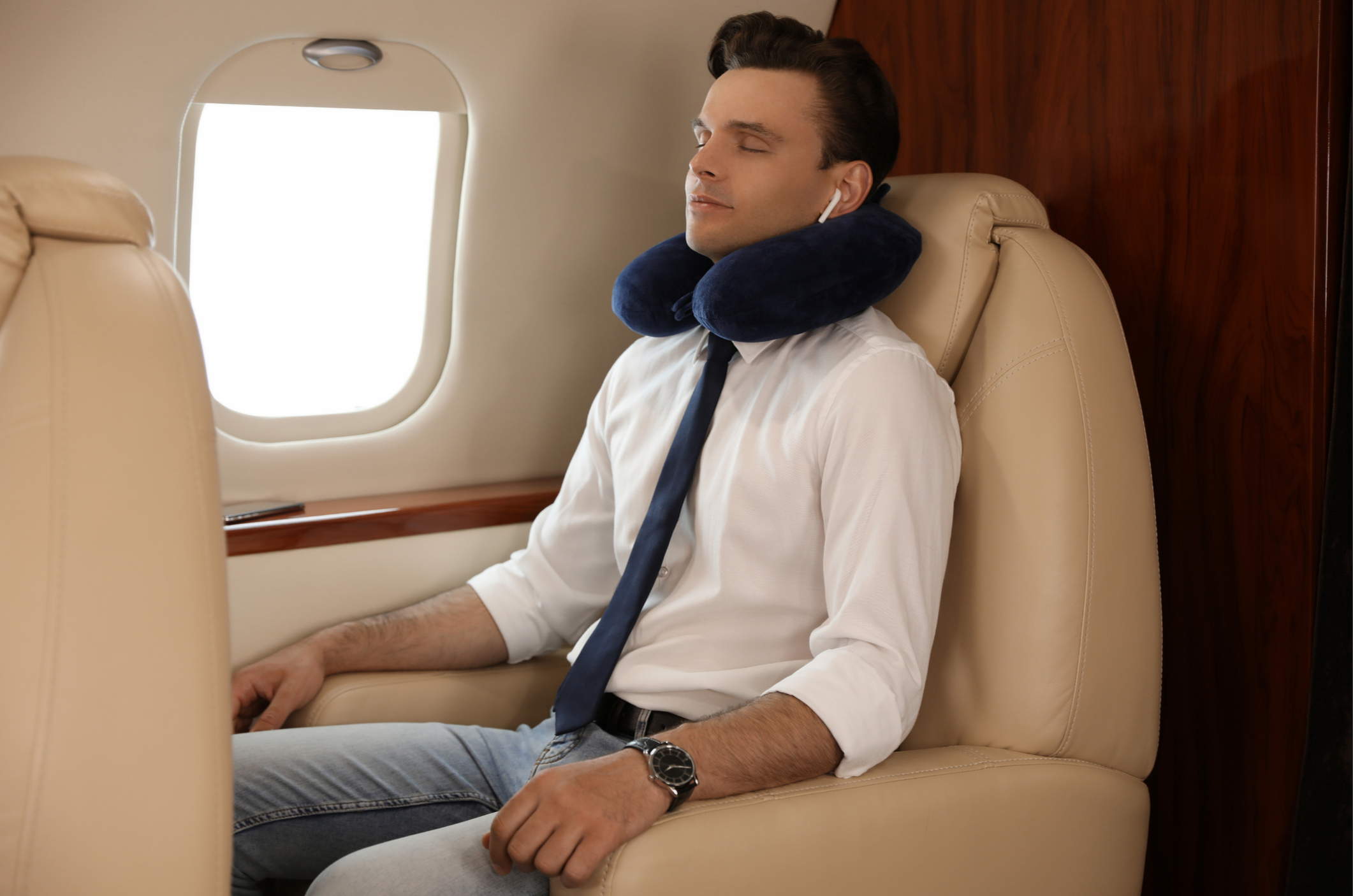
Holiday travel means hours spent sitting — in cars, planes, or trains — often in cramped positions. Prolonged sitting increases pressure on the lumbar spine and weakens postural muscles, leading to stiffness and low back pain.
Research in the Journal of Manipulative and Physiological Therapeutics highlights that static postures and prolonged sitting can reduce spinal mobility and increase muscular tension.³
How Metro Wellness Helps:
Our physical therapy team, led by Dr. Leacee, uses manual therapy, myofascial release, and postural re-education to correct travel-related dysfunctions. Chiropractic adjustments help restore proper spinal alignment, while targeted exercises build resilience for future travel.
Travel Tip:
Use a small pillow or lumbar roll behind your lower back.
Take standing breaks or perform gentle shoulder rolls every hour.
Avoid sitting on a wallet or uneven surface to prevent pelvic misalignment.
3. The Stress Factor: Mind-Body Tension During the Holidays
The holiday season can be joyful — but it’s also one of the most stressful times of the year. Between travel logistics, financial strain, and busy schedules, your body may stay in a constant state of “fight or flight.”
Increased levels of cortisol and adrenaline cause muscle tightening, poor sleep, and inflammation, all of which heighten pain sensitivity.
A 2020 review in Frontiers in Psychology found that chronic stress directly affects muscle tone and pain perception by activating the sympathetic nervous system.⁴
At Metro Wellness NYC, we offer acupuncture and manual therapy to reduce stress and promote relaxation.
Dr. Jessie Gao, our experienced licensed acupuncturist, uses evidence-based acupuncture techniques to regulate the nervous system, reduce muscle tightness, and improve circulation — helping patients experience both physical and emotional relief during the winter season.
4. How Cold, Stress, and Posture Interact
The real challenge isn’t just one factor — it’s the combination. Cold muscles tighten → travel strain adds imbalance → stress amplifies pain perception. Together, they create the “perfect storm” for winter aches and fatigue.
Integrated care — blending chiropractic adjustment, physical therapy, and acupuncture — can interrupt this cycle. Chiropractic care restores joint alignment and mobility; physical therapy strengthens weak areas; and acupuncture calms the nervous system for full-body balance.

5. Prevention and Self-Care Strategies
Keep your body resilient this winter with these proactive steps:
Stay Warm: Use layers, scarves, and gloves to prevent muscle tension from cold exposure.
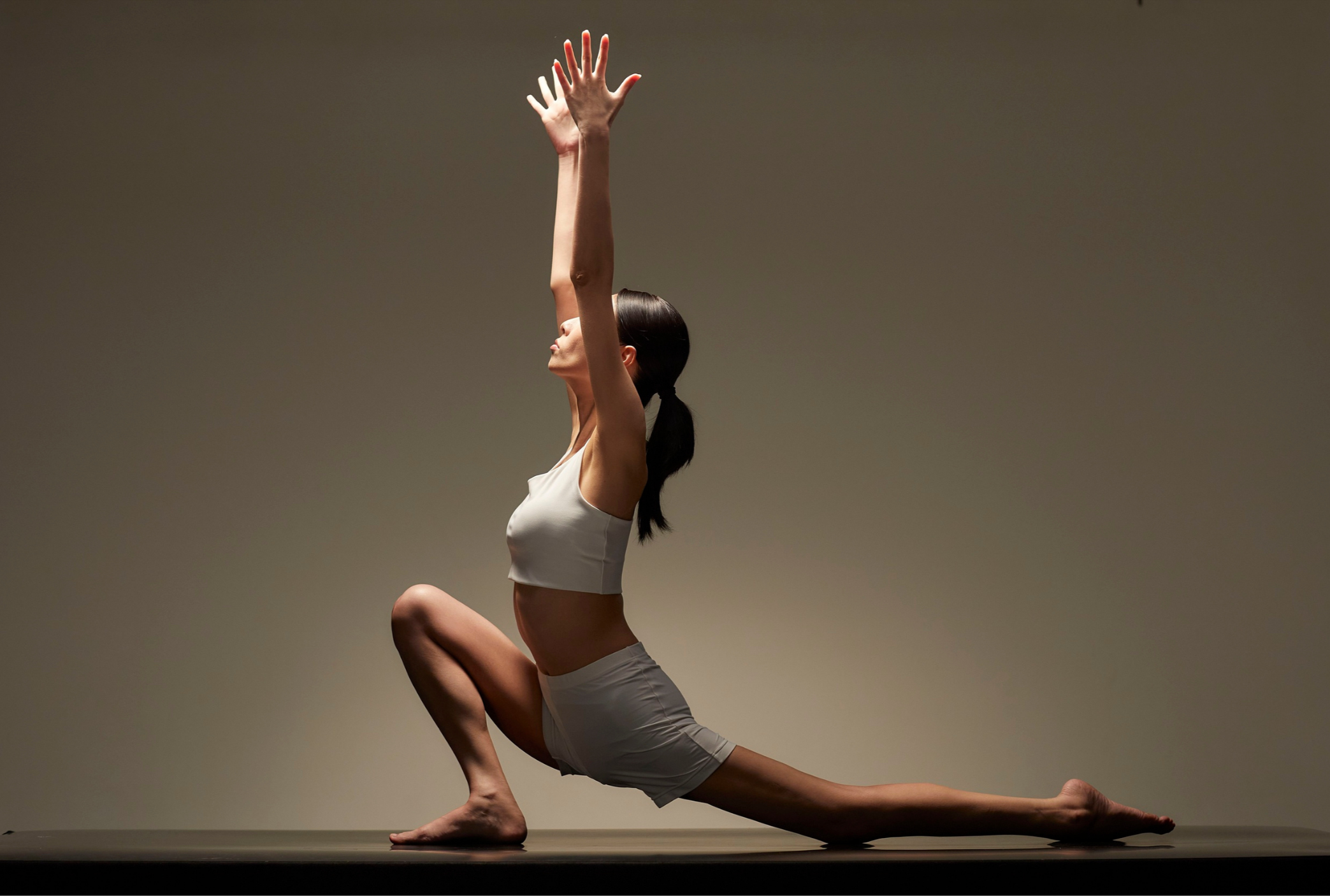
Stretch Daily: Focus on the neck, shoulders, hamstrings, and lower back.
Move Often: Short walks or gentle mobility exercises counteract the effects of sitting.
Manage Stress: Deep breathing, mindfulness, or acupuncture sessions help regulate tension.
Hydrate and Sleep Well: Dehydration and fatigue can heighten pain sensitivity.
Recover and Rebalance at Metro Wellness NYC
If winter aches or travel strain are limiting your comfort, the Metro Wellness NYC team is here to help. We combine evidence-based chiropractic care, targeted physical therapy, and holistic acupuncture to reduce pain, restore movement, and help you feel your best all season long.
📍 Metro Wellness NYC
64 W 48th St, Suite 608, New York, NY 10036
📞 Call: 212-202-0065 | 📱 Text: 917-382-0980
📧 Email: info@metrowellnessnyc.com
References
O. Cameron, “Cold-induced pain and muscle stiffness: Physiological mechanisms,” Medical Hypotheses, 2017.
Kim J. et al., “Ambient temperature and pain perception: evidence from experimental and clinical studies,” Eur J Pain, 2019.
Lis, A.M. et al., “Sitting and low back pain: posture, load, and discomfort,” J Manipulative Physiol Ther, 2007.
Brosschot, J.F. et al., “The physiology of stress and pain interaction,” Front Psychol, 2020.
