The Connection Between Posture and Chronic Pain
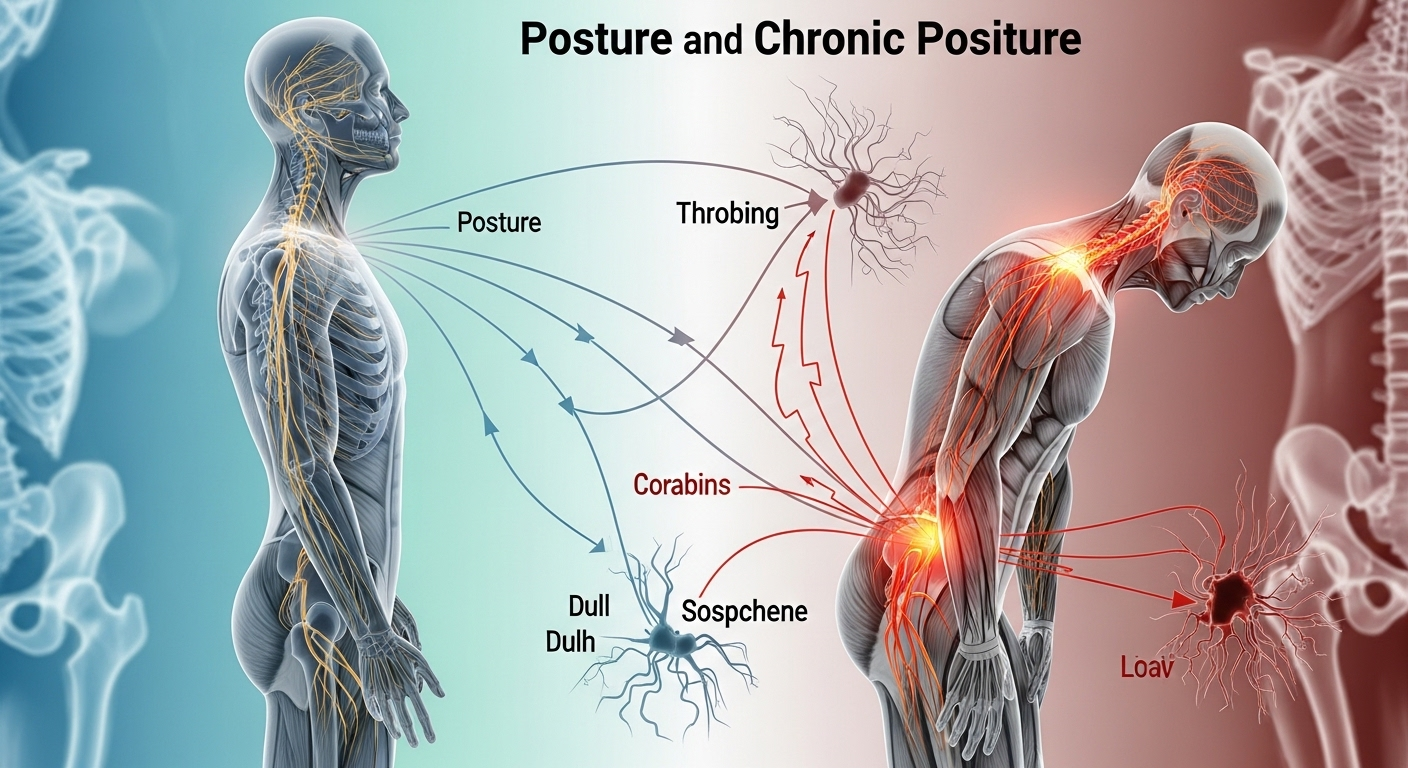
Posture and Chronic Pain
Most people don’t think about posture until something starts to hurt. A stiff neck after work. A tight lower back after sitting too long. It feels like a small issue at first.
But posture is not just about how you sit or stand. It’s about how your body holds itself all day, every day. Over time, these small positions shape how your muscles, joints, and nerves behave.
The problem is simple. Poor posture rarely causes pain right away. It builds slowly. By the time discomfort shows up, the body has already been under strain for weeks or even months.
Understanding the connection between posture and chronic pain can help you catch problems early and avoid long-term discomfort.
What Is Posture, Really?
Posture is the way your body aligns when you sit, stand, or move.
Good posture keeps your body balanced. Muscles work evenly, and joints move without extra stress. Poor posture shifts that balance.
For example, when your head moves forward while using a phone or laptop, it places extra weight on your neck and upper back. This may not feel like much at first, but over time, it adds pressure.
That pressure builds into what many people recognize as lower back pain.
How Poor Posture Leads to Chronic Pain?
Poor posture changes how your body handles weight and movement.
Uneven muscle strain
When posture is off, some muscles work harder than others. Tight muscles pull on joints, while weak muscles fail to support them.
This imbalance is a major cause of poor posture and back pain.
Joint stress
Joints are designed to move in specific ways. Poor alignment forces them into positions they are not built for.
Over time, this leads to wear and irritation.
Reduced circulation
Slouching can limit blood flow, especially in the lower back and hips. This slows recovery and increases stiffness.
Trigger points
Tight muscles can develop small, sensitive spots known as trigger points. These areas can cause pain not just locally, but in nearby regions as well.
This is why posture-related pain can feel spread out rather than focused.
Common Posture Habits That Cause Pain
Sitting for long hours
Sitting is one of the biggest causes of posture problems today. Office work, screen time, and long commutes all add up.
When sitting posture is poor, it can lead to lower back pain and posture issues that build over time.
Looking down at screens
Phones and laptops often pull the head forward. This strains the neck and upper back.
Standing with weight on one side
Leaning on one leg may feel comfortable, but it creates an imbalance in the hips and spine.
Lack of movement
Even good posture can become a problem if you stay in one position for too long.
Why Pain Often Shows Up Later?
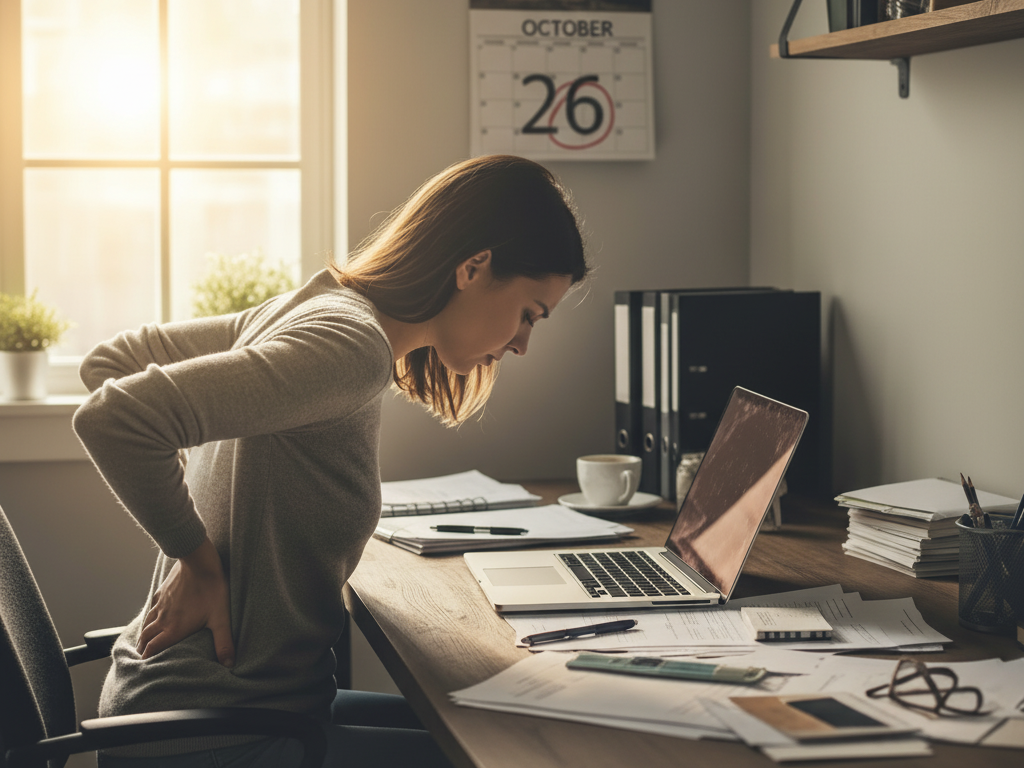
Pain Often Shows Up Later
One of the most confusing parts of posture-related pain is timing.
You might sit poorly for weeks with no issues. Then suddenly, pain appears.
This happens because the body adapts. At first, muscles adjust to the stress. Over time, they become tight, weak, or overworked.
Eventually, the body can no longer compensate. That’s when chronic pain begins.
The Link Between Posture and Lower Back Pain
The lower back carries much of your body’s weight. It is also one of the most affected areas when posture is poor.
Pelvic position matters
When you sit or stand with poor alignment, the pelvis can tilt forward or backward.
This changes the curve of the spine and increases pressure on the lower back.
Core weakness
Weak core muscles fail to support the spine. This leads to strain in the lower back.
Long-term effects
Over time, these factors contribute to ongoing discomfort and chronic pain patterns.
This is why lower back pain and posture problems are so common in people with desk-based routines.
How Movement Patterns Play a Role?
Posture is not just about still positions. It also affects how you move.
If your posture is off, your movement patterns change. You may bend, twist, or lift in ways that add extra strain.
For example, bending from the waist instead of using the hips increases pressure on the spine.
Over time, these patterns reinforce pain and make recovery slower.
Can Posture Affect Nerves?
Yes, posture can influence nerve health.
When the spine is out of alignment, it can place pressure on nearby nerves. This may lead to pain, tingling, or discomfort that travels.
In some cases, poor posture contributes to conditions that involve nerve irritation.
While not all posture issues lead to nerve problems, the risk increases when alignment is not maintained.
Practical Insights: What to Watch For?
Common mistakes
Sitting for long periods without breaks
Using a screen that is too low or too far
Ignoring small signs of discomfort
Thinking posture only matters when standing
What do people misunderstand?
Many people believe posture only matters in certain situations. In reality, it affects the body all day.
Another common idea is that posture can be fixed instantly. It takes time and consistent effort.
How to avoid long-term problems?

avoid long-term problems
Adjust your workspace to support good alignment
Take regular breaks to move and stretch
Pay attention to how you sit, stand, and walk
Address discomfort early before it grows
Simple Ways to Improve Posture
Start with awareness
Notice how you sit and stand throughout the day. Small adjustments can make a big difference.
Adjust your setup
Keep screens at eye level. Use a chair that supports your lower back.
Move often
Change positions regularly. Even standing up for a minute can help reset posture.
Stretch and strengthen
Focus on stretching tight areas and strengthening weak muscles.
Expert Perspective
From a clinical view, posture is rarely the only cause of pain, but it is almost always part of the picture.
Chronic pain often develops from a mix of posture, movement, and daily habits. Addressing posture helps reduce stress on the body, but it works best when combined with other strategies.
This is why a personalized approach matters. Each person’s posture habits, work setup, and movement patterns are different.
A clear plan that looks at the full picture tends to lead to better, longer-lasting results.
When to Seek Help?
You may want to seek guidance if:
Pain lasts more than a few weeks
It becomes harder to move comfortably
You notice ongoing stiffness or tightness
Daily activities feel limited
Getting support early can help you avoid long-term issues.
Conclusion
Posture is not just about standing straight. It shapes how your body feels and moves over time.
Poor posture can lead to muscle strain, joint stress, and chronic pain. The good news is that small changes can make a big difference.
By understanding how posture affects your body, you can take simple steps to reduce discomfort and improve how you feel each day.
If you’re unsure where to start, learning more about your posture habits or getting guidance can help you move in the right direction.
If you’re unsure about your posture or how it’s affecting your body, schedule a consultation to receive personalized guidance and take the first step toward improved comfort and movement.
FAQs
1. Can poor posture really cause chronic pain?
Yes, over time, poor posture can lead to muscle imbalance and joint stress, which can cause long-term pain.
2. How do I know if my pain is from posture?
If pain gets worse after sitting or improves with movement, posture may be a factor.
3. Can posture be corrected at any age?
Yes, posture can improve with consistent effort and the right guidance.
4. How long does it take to fix posture-related pain?
It depends on the cause, but small improvements can be felt within weeks.
5. Is exercise helpful for posture pain?
Yes, stretching and strengthening exercises can support better posture and reduce discomfort.