Understanding the Root Causes of Chronic Back Pain
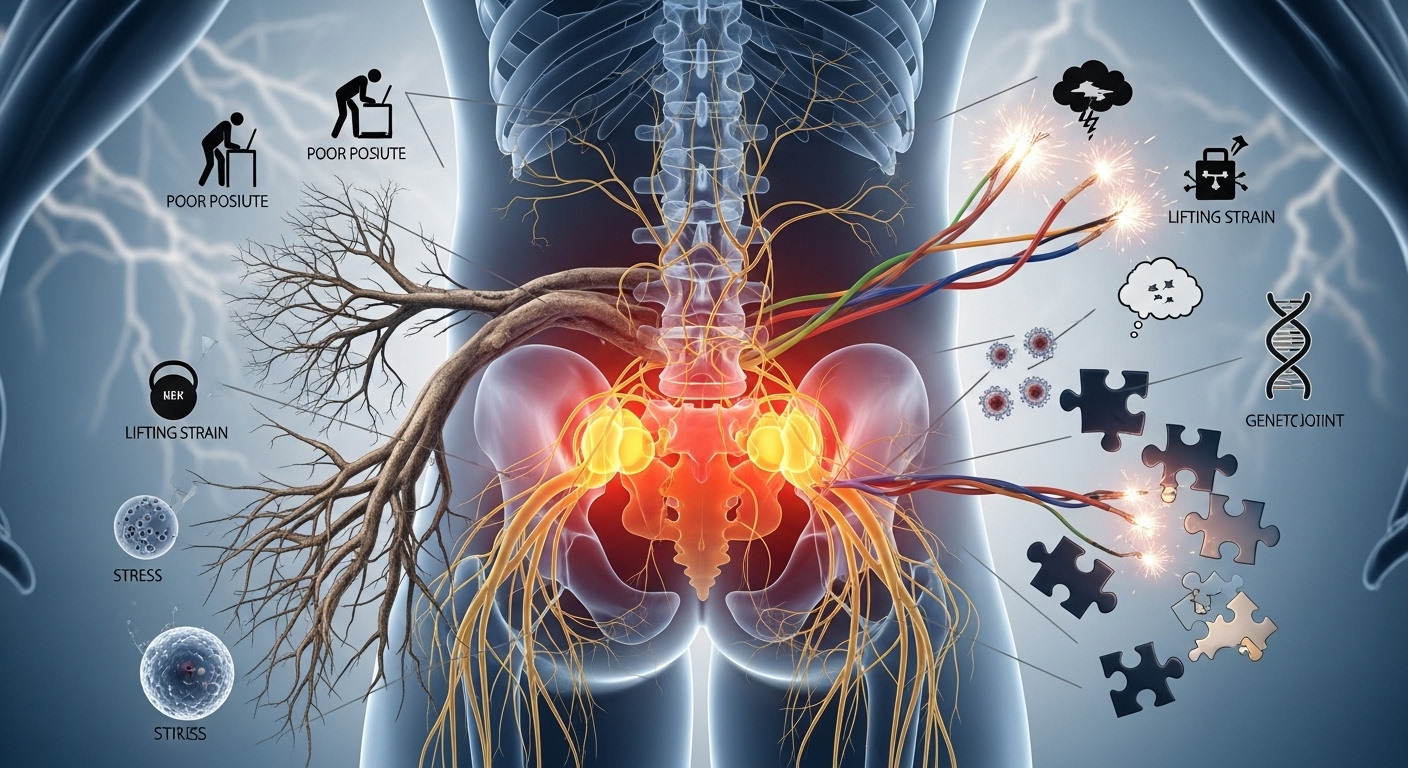
Root Causes of Chronic Back Pain
Back pain is easy to dismiss at first. A long day at work, a bad chair, or a night of poor sleep can all leave your back feeling sore. Most people expect it to pass. Sometimes it does. But when it doesn’t, it slowly turns into something else.
Chronic back pain is not just about discomfort. It often points to deeper patterns in how the body moves, rests, and handles stress. Many people treat the pain, but not the cause. That’s where confusion begins.
Understanding why chronic back pain develops can help you make better choices early. It also helps you avoid the cycle of short-term relief followed by long-term frustration.
What Is Chronic Back Pain?
Chronic back pain is pain that lasts longer than three months. It may feel steady or come and go, but it doesn’t fully disappear.
Some people feel a dull ache. Others experience stiffness, tightness, or sharp pain during movement. In some cases, it turns into constant back pain that affects daily life.
This kind of pain is often more complex than a simple injury. It can involve muscles, joints, discs, and even nerves.
Common Chronic Back Pain Symptoms
Chronic back pain symptoms are not the same for everyone, but there are some common patterns.
Persistent discomfort
Pain that stays for weeks or months is a clear sign. It may feel mild at times and worse at others.
Limited movement
You may notice it’s harder to bend, twist, or stand for long periods.
Muscle tightness
Tight muscles in the lower back or hips are common, especially after sitting.
Pain that spreads
In some cases, pain moves into the hips or legs. This can happen when nerves are involved.
Fatigue and tension
Ongoing pain can lead to tiredness and stress, which may make symptoms feel worse.
The Most Common Back Pain Causes
Chronic back pain usually comes from a mix of factors, not just one issue.
Poor posture
Sitting for long hours with poor posture is one of the main back pain causes today. Slouching puts pressure on the spine and surrounding muscles.
Over time, this creates strain that builds into chronic lower back pain.
Muscle imbalance
When some muscles are too tight and others are too weak, the body loses balance. This leads to uneven pressure on the spine.
Lack of movement
Sitting too much slows down circulation and reduces flexibility. The body becomes stiff, and small movements can start to hurt.
Repetitive strain
Daily habits matter. Lifting, bending, or even standing in the wrong way can slowly stress the back.
Stress and tension
Mental stress often shows up physically. Tight shoulders, a stiff neck, and a tense lower back are common signs.
Chronic Lower Back Pain and Daily Life
The lower back carries much of the body’s weight. It also supports movement.
Because of this, it is more likely to develop long-term issues. Chronic lower back pain often builds from daily habits like sitting, driving, or working at a desk.
Small actions repeated over time can lead to lasting discomfort.
How Movement Patterns Affect Pain?

Movement Patterns Affect Pain
The way you move matters just as much as how much you move.
For example, bending from the lower back instead of using the hips places extra stress on the spine. Over time, this can lead to pain.
These patterns often develop without notice. Once they become habits, they are hard to change without guidance.
When Nerves Are Part of the Problem
Not all back pain is muscle-related. Sometimes, nerves are involved.
When a nerve is irritated, the pain can feel sharp or travel into the leg. This is different from regular back pain.
This is why some people feel more than just local discomfort. They may experience pain that moves or changes with position.
Why Chronic Pain Often Continues?
Many people wonder why their pain does not go away.
One reason is that the root cause is still present. If posture, movement, or daily habits do not change, the body continues to feel stress.
Another reason is that the body adapts. Muscles tighten to protect an area, which can lead to more imbalance.
Without addressing the cause, the cycle continues.
Non-Surgical Ways to Manage Chronic Back Pain
Most cases of chronic back pain can be managed without surgery.
Physical therapy
Guided exercises help improve strength and flexibility. This supports better movement and reduces strain.
Chiropractic care
Adjustments can help improve spinal alignment and reduce pressure on joints.
If you want to understand how this works, you can explore the approach to spinal care on the clinic’s website.
Manual therapy
Hands-on techniques can help release tight muscles and improve mobility.
Daily movement
Simple movement, like walking or stretching, can make a big difference over time.
Practical Insights: What to Watch For?

Practical Insights
Common mistakes
Ignoring early pain
Sitting too long without breaks
Using poor posture during work
Relying only on quick pain relief
What do people misunderstand?
Many think pain means damage. In many cases, it reflects tension or imbalance.
Some also believe rest alone will fix the issue. While rest helps at first, movement is key to recovery.
How to avoid delays in recovery?
Pay attention to early signs
Stay active with gentle movement
improve posture at work and home
Seek guidance if pain continues
Expert Perspective
From a clinical point of view, chronic back pain is rarely simple. It is usually the result of multiple factors working together.
A person’s posture, movement habits, daily routine, and even stress levels all play a role.
This is why a single solution often does not work. A balanced approach that looks at the full picture tends to bring better results.
Understanding the body as a system, rather than focusing on one area, helps guide better decisions.
When to Seek Help?
It may be time to seek help if:
Pain lasts more than a few weeks
It becomes constant back pain
Movement becomes limited
Daily tasks feel difficult
Getting help early can make a big difference in recovery.
Conclusion
Chronic back pain is not just about where it hurts. It is about why it hurts.
Most of the time, it develops slowly through posture, movement, and daily habits. By understanding these root causes, you can take steps to improve how your body feels and moves.
Small changes can lead to real progress over time. And when needed, the right guidance can help you move forward with more clarity.
If you’re dealing with chronic back pain or unsure about the cause, a personalized consultation can help you better understand your condition and explore the right path forward
FAQs
1. What causes chronic back pain the most? Poor posture, lack of movement, and muscle imbalance are some of the most common causes.
2. How do I know if my back pain is chronic? If it lasts longer than three months or keeps coming back, it is considered chronic.
3. Can chronic back pain go away on its own? Some cases improve, but many need changes in movement, posture, or care to fully recover.
4. Is exercise safe with chronic back pain? Yes, gentle and guided exercise is often helpful and supports recovery.
5. When should I see a professional? If pain continues or affects daily life, it is a good idea to seek support.