What Is Sciatica? Symptoms, Causes, and Non-Surgical Treatment Options
Symptoms, Causes, and Non-Surgical Treatment Options
Recently, many people think all back pain is the same. It’s not. One type, called sciatica, feels very different. It often starts in the lower back and moves down the leg. Some describe it as sharp, burning, or even electric.
What makes this tricky is how easy it is to ignore early signs. A minor ache in the back or hip can gradually progress to severe pain that affects walking, sitting, or even sleeping.
Understanding sciatica symptoms early can help you avoid long-term issues and get the right kind of care. This guide breaks it down in a clear, simple way so you know what’s happening and what you can do next.
What Is Sciatica?
Sciatica is not a condition on its own. It’s a symptom of a problem affecting the sciatic nerve.
The sciatic nerve is the largest in your body. It runs from your lower back, through your hips, and down each leg. When this nerve is irritated or compressed, it causes what people call sciatica.
This is why sciatica often radiates. It doesn’t stay in one place like regular muscle soreness.
What Are Common Sciatica Symptoms?
Sciatica symptoms can vary, but most follow a clear pattern. The pain usually affects one side of the body.
Pain that travels
You may feel pain starting in your lower back and moving down your leg. This is one of the clearest signs.
Sharp or burning sensation
Some people feel a burning or shooting pain instead of a dull ache. This can feel sudden and intense.
Numbness or tingling
A “pins and needles” feeling in the leg or foot is common. This happens when the nerve signal is disrupted.
Weakness in the leg
In some cases, the leg may feel weak or unstable. This can make walking or standing harder.
Extreme sciatic pain during movement
Pain often gets worse when sitting, bending, or lifting. Even small movements can trigger discomfort.
What Causes Sciatica?
Sciatica happens when the sciatic nerve is under pressure. There are a few common reasons this can happen.
Herniated disc
A disc in your spine can shift or break. When it presses on the nerve, it can cause a pinched sciatic nerve.
Spinal narrowing
As people age, the spinal canal can become smaller. This puts pressure on nerves.
Muscle tightness
Tight muscles, especially in the hips, can press on the nerve. This is common among individuals who sit for long periods.
Poor posture
Slouching or leaning forward for long periods can strain the lower back. Over time, this can lead to nerve irritation.
Injury or sudden strain
Lifting something heavy or moving the wrong way can quickly trigger symptoms.
Why Sciatica Feels Different from Regular Back Pain?
Sciatica Feels Different from Regular Back Pain?
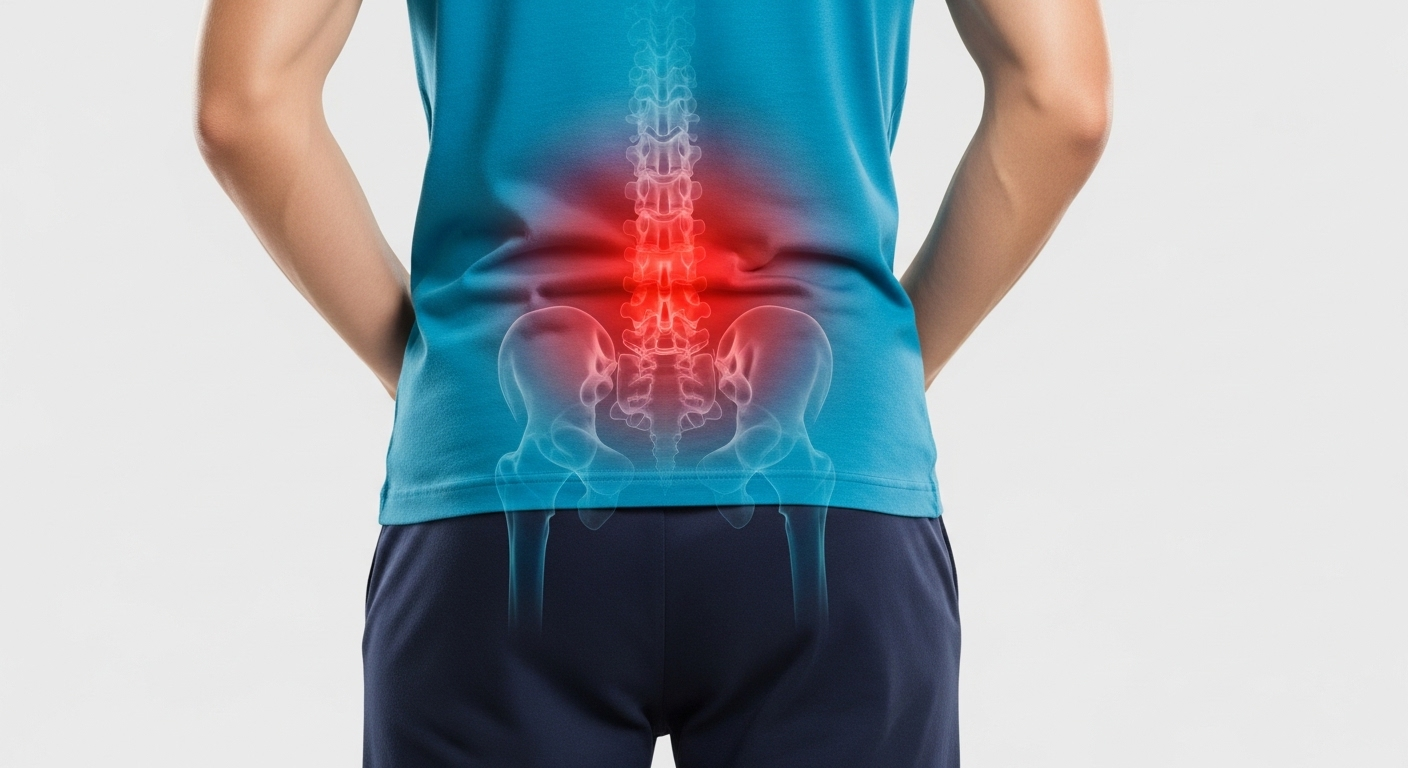
Regular back pain usually stays in one place. It may feel stiff or sore, but it doesn’t move much.
Sciatica differs because it follows a nerve pathway. That’s why you feel lower back and leg pain at the same time.
It also tends to feel sharper. Many people describe it as electric or shooting rather than dull.
Non-Surgical Treatment Options
The good news is that most cases of sciatica improve without surgery. The focus is on reducing pressure on the nerve and facilitating healing.
Movement and activity
Staying active helps more than complete rest. Gentle movement can reduce stiffness and improve blood flow.
Physical therapy
Targeted exercises can improve strength and flexibility. This helps reduce pressure on the nerve over time.
Chiropractic care
Adjustments can improve spinal alignment. This may reduce pressure on the nerve and ease symptoms.
If you're exploring care options, you can learn more about how spinal alignment is addressed through chiropractic techniques on the clinic’s website.
Acupuncture and manual therapy
Some people find relief through therapies that focus on muscle tension and circulation.
Heat and cold therapy
Cold packs can reduce inflammation, while heat helps relax tight muscles.
How Long Does Sciatica Last?
This depends on the cause and how early you address it.
Some people feel better after a few weeks. Others may experience symptoms for months if the underlying cause is not addressed.
Ignoring the issue can exacerbate it. Early care often leads to faster recovery.
Common Mistakes People Make
Waiting too long
Many people hope the pain will go away on its own. Sometimes it does, but often it gets worse.
Staying completely inactive
Too much rest can make muscles stiff and slow recovery.
Self-diagnosing
Not all back pain is sciatica. Treating the wrong issue can delay healing.
Using quick fixes only
Pain relief methods such as medication can help in the short term, but don’t address the root problem.
What People Often Misunderstand?
It’s just back pain.
Sciatica is nerve-related, not just muscle pain. That’s why it behaves differently.
Surgery is the only solution.
Most cases do not need surgery. Non-surgical care is often enough.
It will go away no matter what.
Sometimes it does, but without proper care, it can return or become chronic.
Expert Perspective
From a clinical perspective, sciatica is best managed by focusing on the root cause rather than the symptoms alone.
For example, if the issue stems from posture, treating pain alone will not resolve it. The posture must be corrected. If muscle imbalance is the cause, then strengthening and stretching are key.
This is why a combination of approaches often works best. It’s not about a single treatment, but about how different methods support recovery together.
When to Seek Help
You should consider professional care if:
Pain lasts more than a few weeks
Symptoms are getting worse
You feel weakness in your leg
Daily activities become difficult
Early care can prevent long-term problems and reduce recovery time.
Practical Tips to Reduce Sciatica Pain

Practical Tips to Reduce Sciatica Pain
Avoid sitting for long periods without breaks
Use proper posture when working at a desk
Stretch your lower back and hips daily
Stay active with light movement
Pay attention to early warning signs
Small changes in daily habits can make a big difference.
Conclusion
Sciatica symptoms can feel intense, but they are also very treatable in most cases. The key is understanding what’s causing the pain and taking the right steps early.
Instead of ignoring the discomfort, take it as a signal from your body. With the right approach, many people recover without surgery and return to normal activity.
If you’re unsure about your symptoms or want a clearer plan, it may help to speak with a qualified provider who can guide you based on your specific situation.
Not sure about your condition? Book a consultation with our experienced providers to receive expert advice tailored to your needs
FAQs
1. What are the first signs of sciatica? Early signs often include mild lower back pain that spreads to the leg, along with tingling or numbness.
2. Can sciatica go away on its own? Yes, some cases improve on their own, but proper care can accelerate recovery and reduce the risk of recurrence.
3. Is walking good for sciatica? Yes, light walking can help reduce stiffness and support healing.
4. What triggers sciatica pain? Long sitting, poor posture, heavy lifting, and sudden movements can trigger symptoms.
5. When should I worry about sciatica? If you feel weakness, severe pain, or symptoms that don’t improve, it’s best to seek help.