What Really Causes Plantar Fasciitis Heel Pain in Manhattan?
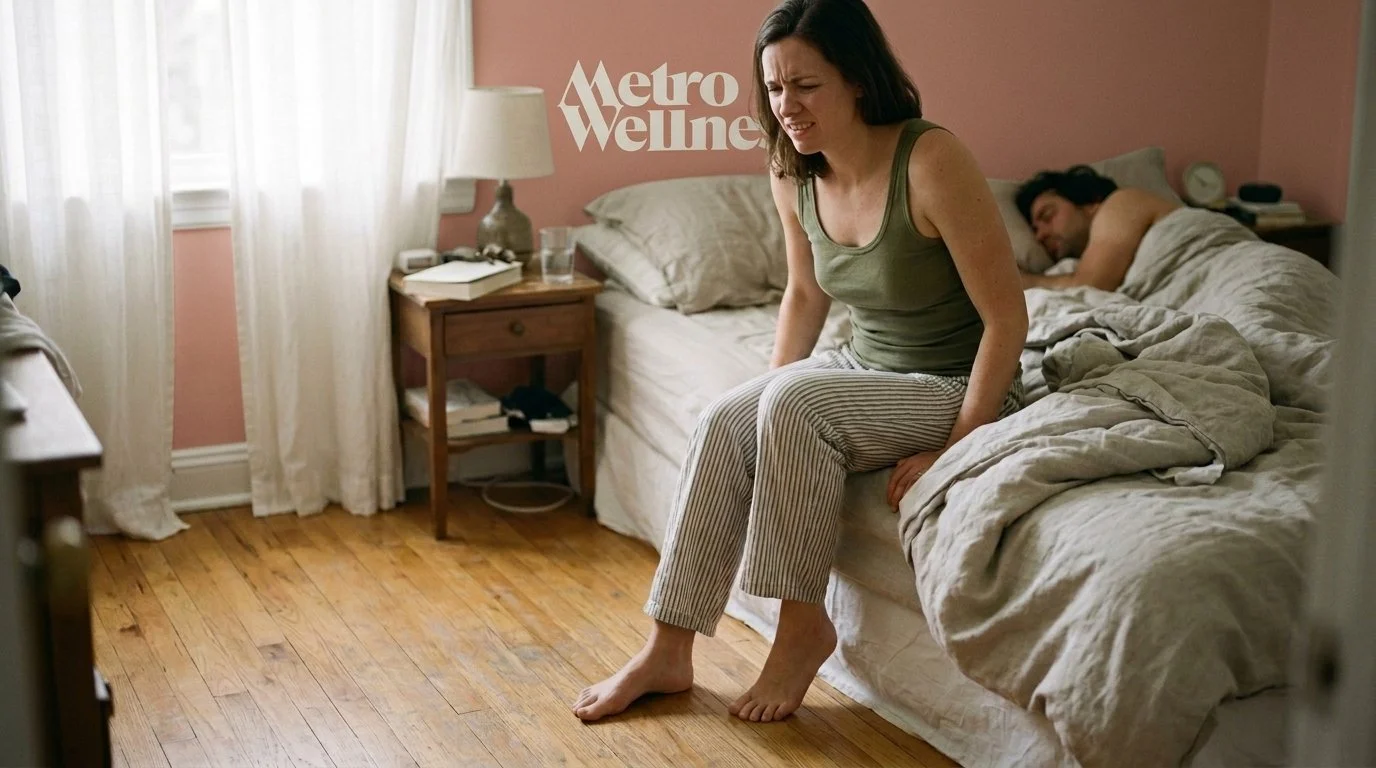
That first step out of bed in the morning, the one where your heel feels like it's being stabbed, is one of the most recognizable symptoms in all of foot pain, and yet most people spend weeks assuming it's just "getting older" or "sore feet from walking so much." It's neither, exactly. What causes plantar fasciitis is a specific, mechanical problem with a very identifiable pattern, and If heel pain has been limiting your daily routine for weeks or months, learnhow chronic pain affects your quality of life and why addressing it early can make recovery easier.
If you live or work in Manhattan, you already have some built-in risk factors most people elsewhere don't: miles of concrete sidewalks, subway platforms, and a walking-heavy lifestyle that puts more cumulative stress on your feet than a lot of people realize. It's a similar pattern to how cumulative strain on the spine can quietly build from everyday habits rather than one dramatic injury, whether it shows up in the back or, in this case, the feet. That's not a reason to panic; it's just useful context for why this is such a common complaint here and why the right approach makes a real difference.
What Is the Plantar Fascia, and Why Does It Hurt?
The plantar fascia is a thick, fibrous band of tissue that runs along the bottom of your foot, connecting your heel bone to the base of your toes. It plays a real structural role supporting your arch and helping your foot function properly with every step you take, whether you're walking, running, or just standing at a crowded intersection waiting for the light to change.
Every time you place weight on your foot, and especially when you push off the ball of your foot to take the next step, tension increases through this band of tissue. Plantar fasciitis develops when that tissue is repeatedly stressed beyond what it can comfortably handle, leading to small-scale irritation and inflammation, and in more chronic cases, tiny tears in the fascia itself. It's the most common cause of heel pain, by a wide margin. If the discomfort persists or starts affecting your daily movement, seekingphysical therapy can help address the root cause and restore proper foot mechanics rather than just masking the pain.
What Causes Plantar Fasciitis?
There's rarely one single cause; it's usually a combination of factors that add up over time.
Unsupportive footwear. This is one of the most consistently cited causes. Worn-out sneakers, flimsy flats, and shoes without real arch support all fail to absorb the shock your foot would otherwise handle on its own, putting extra strain directly on the fascia.
Hard walking surfaces. Concrete and tile are far less forgiving than grass, dirt, or padded flooring. Manhattan's sidewalks fall squarely into this category, which is part of why heel pain shows up so often among people who walk a lot for work or commuting.
Sudden increases in activity. Ramping up mileage too quickly, starting a new workout routine, or simply walking a lot more than usual (a new job, a new apartment farther from the subway) can overload tissue that wasn't conditioned for the extra load.
Prolonged standing. Jobs that involve being on your feet for long stretches retail, healthcare, teaching, hospitality carry a notably higher risk.
Foot structure. Both flat feet and unusually high arches can change how weight is distributed through the foot, putting extra strain on the fascia in either direction.
Tight calves and Achilles tendons. Tightness here changes your gait mechanics and increases tension through the bottom of the foot with every step, even if the calf itself doesn't hurt.
Excess weight. Additional body weight increases the load on the fascia with every step, and weight loss is one of the more consistently effective ways to ease symptoms for people where this is a contributing factor.
Walking barefoot on hard floors at home. This one catches a lot of people off guard. Walking barefoot on hardwood or tile at home, especially first thing in the morning, adds up over weeks and months in a way that's easy to underestimate.
Because so many of these causes overlap and build on each other, an individualized evaluation often makes more sense than guessing at a single fix, and it's part of why practices likeMetro Wellnessapproach foot pain as one piece of a person's overall movement and lifestyle pattern rather than an isolated issue.
Plantar Fasciitis Symptoms: What It Actually Feels Like

The hallmark symptom is a sharp or stabbing pain at the bottom of the heel, and the pattern is fairly distinctive:
Pain is often most intense with the very first steps after waking up or after sitting for a long stretch
It tends to ease somewhat once you've been moving for a few minutes, then can return after prolonged standing or activity
Pain is usually concentrated at the front-bottom of the heel, though it can extend along the arch
Symptoms often build gradually over weeks rather than appearing suddenly after a single event, a pattern also seen in other conditions like frozen shoulder, which develops gradually without any clear injury , reinforcing how much musculoskeletal pain in general tends to creep in slowly rather than announce itself all at once
If your pain doesn't follow this pattern, for instance, if it's constant regardless of activity or accompanied by numbness or tingling, it's worth having it evaluated, since other conditions can cause similar heel pain and benefit from a different approach entirely.
How Long Does Plantar Fasciitis Take to Heal?
This is one of the most common questions, and the honest answer depends heavily on how early it's addressed. For many people, consistent treatment brings meaningful improvement within a couple of months. But there's an important pattern worth knowing: the longer symptoms go unaddressed before treatment starts, the longer full recovery tends to take. Plantar fasciitis that's caught early and treated consistently often resolves faster than cases that have been ignored or self-managed inconsistently for months.
What causes plantar fasciitis is a specific, mechanical problem with a very identifiable pattern, and if heel pain has been limiting your daily routine for weeks or months,learn how chronic pain affects your quality of life and why addressing it early can make recovery easier. This is really the central insight when it comes to healing time early, consistent action matters more than any single treatment on its own.
Best Shoes for Plantar Fasciitis
Footwear is one of the most controllable factors in this whole picture, which is good news. Look for:
Firm arch support that matches your foot's shape, rather than a flat, flexible sole
Adequate heel cushioning to absorb impact with each step
A shoe that doesn't bend too easily in the middle a stiffer sole reduces strain on the fascia during push-off
A properly fitted, supportive shoe rather than flip-flops, worn-out flats, or unsupportive slip-ons
It's also worth replacing athletic shoes regularly; most break down and lose their supportive structure well before they look visibly worn out, generally somewhere in the range of every six to nine months of regular use. If you're doing a lot of walking around Manhattan daily, that breakdown can happen even faster than it would for a more sedentary lifestyle, and continuing to walk in unsupportive shoes without noticing is often how a manageable, short-term strain quietlyturns into long-term painthat's harder to reverse.
Plantar Fasciitis Exercises That Actually Help
Stretching is genuinely one of the most effective treatments, because so much of the underlying problem involves tightness in the fascia, calf, and Achilles tendon. A few approaches that tend to help:
Calf stretches against a wall, holding for 20-30 seconds, which reduces tension that travels down into the fascia
Rolling the arch of the foot over a frozen water bottle or a firm ball, which combines gentle stretching with a cooling effect that eases inflammation
Towel stretches, looping a towel around the ball of the foot and gently pulling it toward you while seated, especially first thing in the morning before you take your first steps
Toe stretches, manually pulling the toes back to stretch the fascia directly
Consistency tends to matter more than intensity here; a few minutes, several times a day, generally outperforms one long stretching session.
Common Mistakes People Make
Pushing through the pain. Continuing to walk, run, or exercise on an inflamed fascia tends to worsen the underlying irritation rather than "working through it," which is a pattern we see often with people who don't want to interrupt their routine.
Relying only on rest, with no supportive footwear changes. Rest helps in the short term, but if the underlying footwear or activity pattern that caused the problem doesn't change, symptoms often return once activity resumes.
Stopping treatment once pain fades. Reduced pain doesn't always mean the tissue has fully recovered. Returning too quickly to high-impact activity or unsupportive shoes is one of the most common reasons plantar fasciitis becomes a recurring, on-and-off problem rather than something that resolves and stays resolved.
Assuming all heel pain is plantar fasciitis. Heel pain can occasionally stem from other issues, including nerve involvement or a stress fracture. If standard treatment isn't helping after a few weeks, that's a reasonable point to get it properly evaluated rather than continuing to guess.
Why a Chiropractor for Foot Pain Can Be Worth Considering:

Because plantar fasciitis is so often connected to gait, calf tightness, and how weight moves through the whole leg, not just the heel itself, an evaluation that looks at the full mechanical picture tends to be more useful than treating the heel in isolation. A chiropractor for foot pain will often assess alignment and movement patterns throughout the foot, ankle, and lower leg, since imbalances further up the chain frequently contribute to the strain showing up at the heel. Combined with targeted stretching, footwear changes, and activity adjustments, this kind of whole-picture approach tends to address the actual mechanical cause rather than just easing the symptom temporarily, since ongoing, unresolved pain doesn't just stay in the foot; over time, it can also startdraining daily energy and focus the way any persistent discomfort does when it's left unaddressed.
Conclusion
Plantar fasciitis is a mechanical, well-understood source of heel pain, usually caused by a combination of unsupportive footwear, hard walking surfaces, tight calves, and sudden or prolonged strain on the foot. It's extremely common, especially in a walking-heavy city like Manhattan, and it's also very manageable once you understand what's driving it.
The most effective path forward usually combines supportive footwear, consistent stretching, and addressing the activity or movement patterns that triggered it in the first place and the earlier you start, the faster recovery tends to go. If your heel pain has been building for more than a few weeks or isn't responding to the basics, it's worth having your foot and gait properly evaluated rather than waiting it out.Book an appointment with a provider who can look at the full picture and put together a plan that actually addresses the cause.
FAQs
1. What is the main cause of plantar fasciitis?
It's usually a combination of factors: unsupportive shoes, hard walking surfaces, tight calves, and sudden increases in activity rather than one single cause.
2. How long does plantar fasciitis take to heal?
Many people see meaningful improvement within a couple of months with consistent treatment, though cases that go unaddressed for a long time before treatment starts tend to take longer to resolve.
3. What are the best shoes for plantar fasciitis?
Shoes with firm arch support, good heel cushioning, and a sole that doesn't bend too easily in the middle tend to reduce strain on the fascia the most.
4. What exercises help plantar fasciitis the most?
Calf stretches, rolling the arch over a frozen water bottle or firm ball, and gentle towel stretches done consistently throughout the day tend to be the most effective.
5. Should I see a chiropractor for foot pain from plantar fasciitis?
It can help, especially since plantar fasciitis is often tied to gait and calf tightness rather than just the heel. An evaluation of the whole foot and leg mechanics can identify contributing factors that footwear changes alone might miss.
