The Hidden Health Risks of Sitting All Day
Hidden Health Risks of Sitting All Day
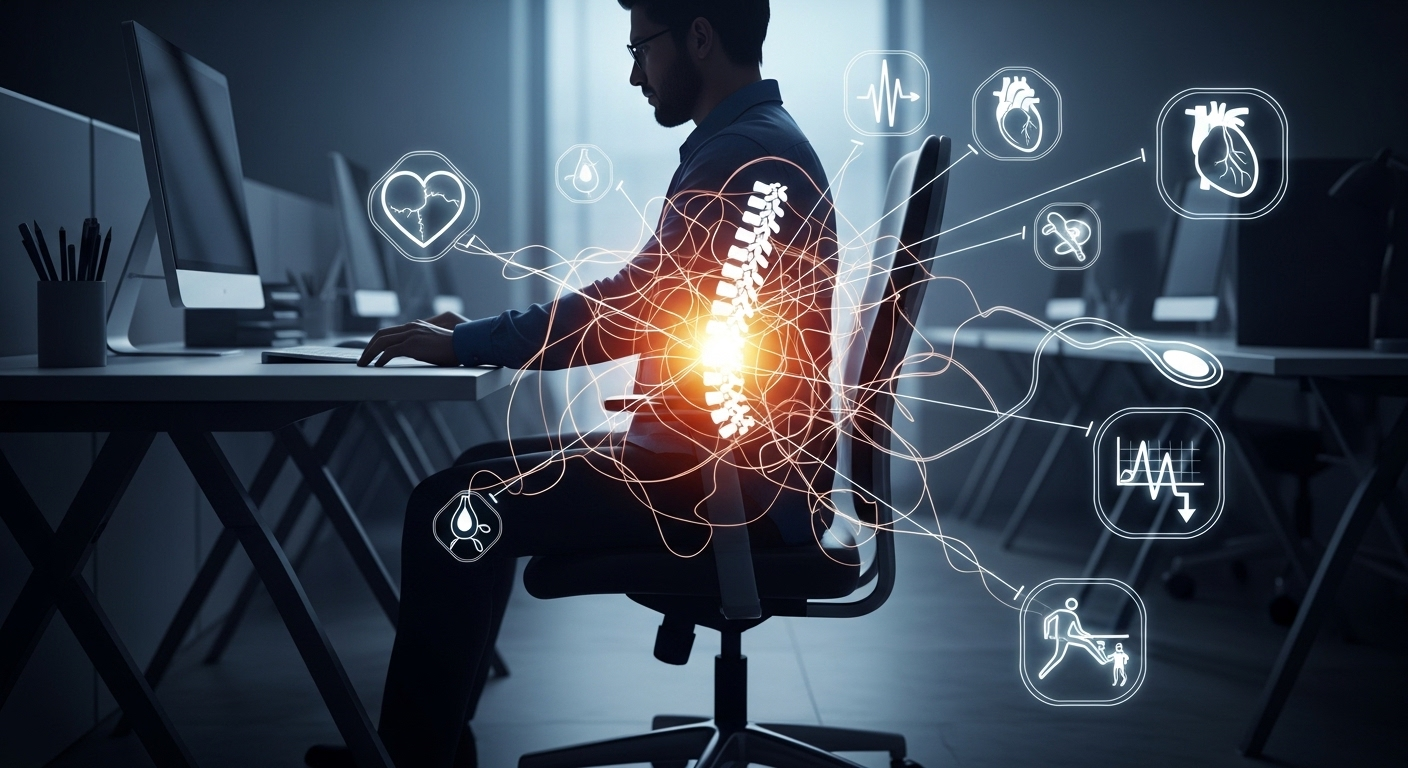
Many of us spend hours sitting each day at desks, in cars, or on couches without thinking much about it. It feels normal, even harmless. But over time, this sedentary lifestyle can create problems. The health risks of sitting all day go beyond temporary stiffness. They affect your muscles, joints, circulation, and even overall health.
Most people focus on how to sit more comfortably or take short breaks. Rarely do they consider the long-term consequences of sitting too much. Understanding the dangers of sitting all day can help you make small but meaningful changes that protect your health.
Why Sitting Too Much Is a Problem?
Sitting is not inherently bad. Our bodies are designed to rest, but they also need movement. Extended periods of sitting reduce muscle activity, slow metabolism, and increase stress on joints.
When you sit too much, your muscles, especially in the back, hips, and legs, become weak. Circulation slows, which can affect your heart, brain, and other organs. Over time, the effects of too much sitting accumulate, contributing to chronic issues.
Common Effects of Too Much Sitting
Muscle Weakness and Posture Problems
Sitting for long hours often leads to poor posture. Slouching or leaning forward strains the spine, tightens the hip flexors, and weakens the core. These changes can result in lower back pain, neck stiffness, and even headaches.
Circulatory Issues
Extended sitting slows blood flow, especially in the legs. This increases the risk of varicose veins and can contribute to more serious circulatory problems over time.
Weight Gain and Metabolic Impact
Sitting for long periods burns fewer calories and reduces metabolic activity. Over months or years, this can contribute to weight gain, insulin resistance, and increased risk of diabetes.
Mental Fatigue
Remaining sedentary can also affect mental clarity. Movement increases blood flow to the brain, improves alertness, and supports focus. Sitting too much can leave you feeling sluggish or fatigued.
Joint Stiffness and Pain
Joints need movement to stay healthy. Long periods of sitting can lead to stiffness in the hips, knees, and spine, increasing discomfort and reducing mobility.
How Sitting Affects Specific Areas?
Lower Back
The lower back bears the brunt of prolonged sitting. Poor posture strains spinal discs and muscles, which can lead to chronic lower back pain.
Hips
Sitting keeps the hip flexors contracted. Over time, this can limit hip mobility and contribute to discomfort when standing or walking.
Neck and Shoulders
Forward head posture and slouched shoulders can compress nerves and muscles, causing tension and trigger points that lead to pain or headaches.
Practical Steps to Reduce Sitting-Related Health Risks
Move Regularly
Take short breaks every 30–60 minutes to stand or stretch.
Walk during phone calls or between tasks.
Improve Your Workstation
Adjust your chair so your feet rest flat, and your knees are at 90 degrees.
Keep screens at eye level to reduce forward head posture.
Use lumbar support to maintain a natural spine curve.
Incorporate Exercise
Strengthen core and back muscles to support posture.
Stretch hip flexors, hamstrings, and shoulders daily.
Include cardio activities to boost circulation and metabolism.
Consider Standing or Dynamic Work Options

Standing or Dynamic Work Options
Standing desks or sit-stand workstations allow you to change positions.
Balance boards or small movements while standing can increase circulation.
Mind Your Posture
Be conscious of slouching or leaning forward.
Keep shoulders relaxed and spine aligned.
Adjust your habits gradually; small changes are more sustainable than drastic shifts.
Common Mistakes People Make
Ignoring discomfort: Mild stiffness often becomes chronic pain if left unchecked.
Relying on chairs alone: Cushions or ergonomic chairs help, but do not replace movement.
Neglecting movement outside of work: Sitting on couches or commuting adds to total sedentary time.
Skipping core and hip exercises: Strengthening stabilizing muscles supports better posture and reduces strain.
Expert Perspective
Health professionals increasingly highlight the hidden dangers of sedentary lifestyles. While sitting itself is not harmful for short periods, chronic inactivity stresses muscles, joints, and metabolism.
Trigger points, muscle imbalances, and circulatory problems often develop quietly. By understanding these risks, you can take proactive steps like movement breaks, stretching routines, and ergonomic adjustments to prevent long-term issues.
A balanced approach that combines regular movement, proper posture, and strength exercises is most effective. Professionals can tailor guidance based on individual needs, helping people reduce discomfort and maintain mobility over time.
When to Seek Help?
Consult a healthcare professional if:
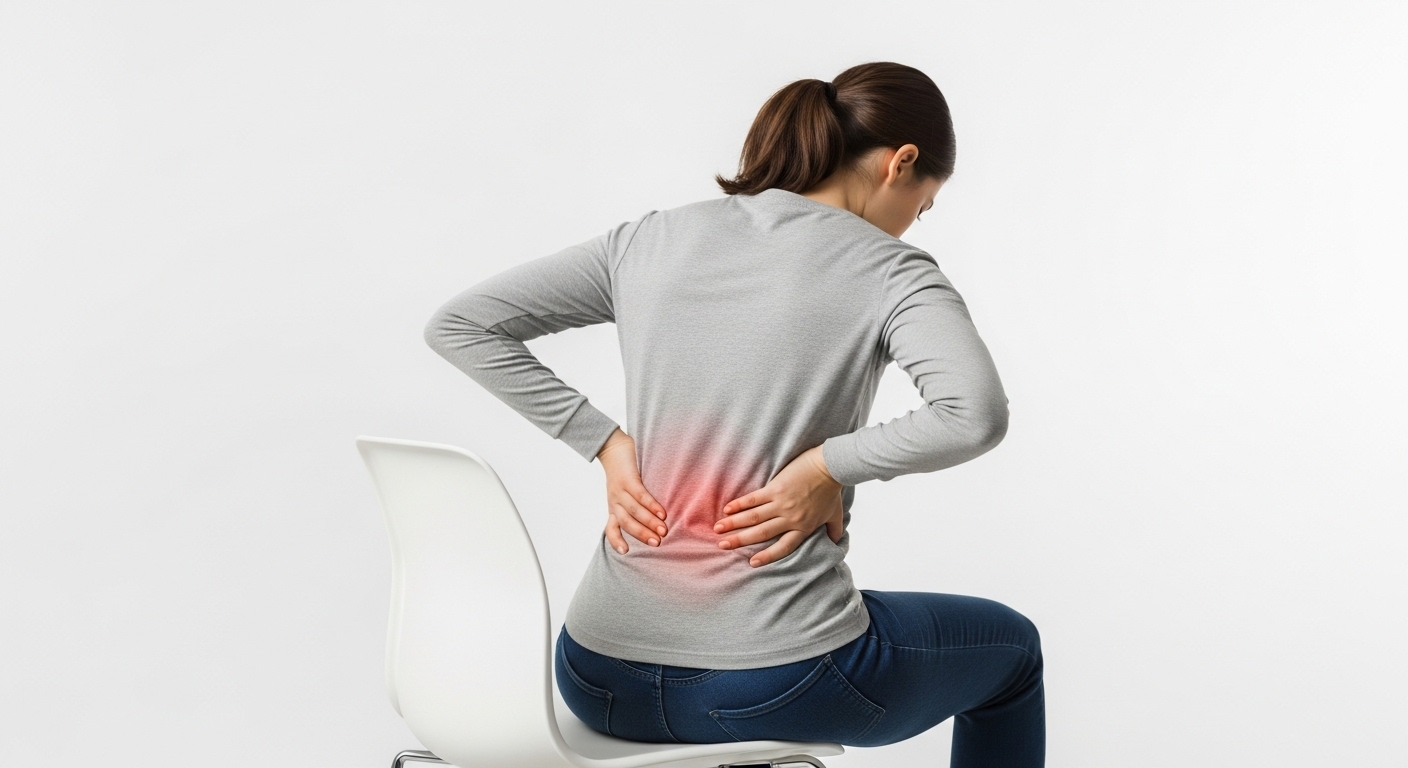
Sitting leads to persistent pain in your back, hips, or neck.
You experience numbness, tingling, or radiating pain.
Fatigue, poor circulation, or discomfort interferes with daily life.
Early intervention can prevent minor issues from becoming chronic problems.
Conclusion
Sitting all day may feel harmless, but it carries hidden risks that affect muscles, joints, circulation, and overall health. Poor posture, muscle weakness, and trigger points often develop silently, creating discomfort over time.
Simple strategies like standing breaks, stretching, strengthening exercises, and better workstation setup can reduce these effects and improve daily comfort. Awareness and small changes make a significant difference over weeks and months.
Take steps to move more, adjust your posture, and support your body. Preventing the health risks of sitting all day is possible and can lead to long-term benefits for your back, hips, and overall well-being.
About Us We understand that sitting all day can silently affect muscles, joints, and posture over time. If you’re experiencing discomfort, schedule a consultation to receive personalized guidance on ergonomic adjustments, stretches, and exercises that improve daily comfort and support long-term health