Natural Ways to Treat Chronic Pain Without Medication
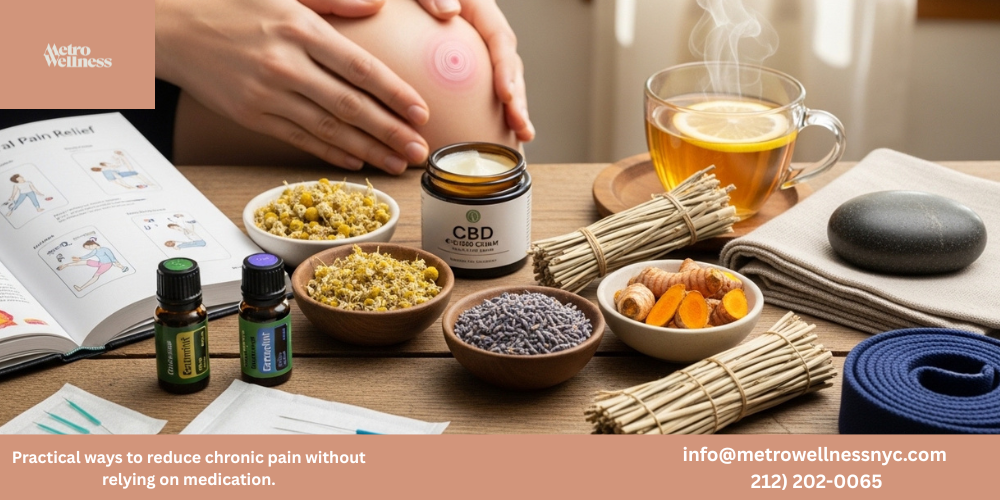
Chronic pain changes how you move, how you sleep, and often how you think about your day. It’s not just a physical issue; it becomes part of your routine, something you plan around, which is why many people turn to places like Metro Wellness NYC for guidance and support.
For many people, medication offers temporary relief. But over time, a common question arises: Is there another way to manage this?
That’s where the idea of learning how to treat chronic pain naturally becomes important. Not as a replacement for medical care, but as a broader approach that focuses on how your body functions day to day.
The key insight is this: chronic pain is rarely caused by just one thing. It’s often a combination of movement patterns, muscle tension, stress, and lifestyle habits. That means improving it usually involves more than one solution.
Understanding Chronic Pain: Why It Sticks Around
Before exploring solutions, it helps to understand why chronic pain behaves differently from short-term pain.
Acute pain, like a strain or injury, typically improves as the body heals. Chronic pain, on the other hand, can persist even after the original issue has resolved.
This happens because:
The nervous system becomes more sensitive
Muscles stay tense or imbalanced
Movement patterns change to compensate for discomfort
Over time, the body adapts, but not always in helpful ways.
That’s why pain relief without medication often focuses on retraining how the body moves and responds, rather than just masking symptoms.
How to Treat Chronic Pain Naturally: A Practical Approach
There isn’t a single solution that works for everyone. Instead, natural pain management usually involves a combination of small, consistent strategies.
1. Gentle Movement and Daily Activity
It might seem counterintuitive, but avoiding movement can actually make chronic pain worse.
When you move less:
Muscles weaken
Joints stiffen
Circulation decreases
Gradual, consistent movement helps reverse this pattern.
Helpful options include:
Walking
Light stretching
Low-impact activities like yoga
These forms of movement are often recommended as exercises for chronic pain relief because they improve flexibility and reduce stiffness without overloading the body.
2. Improving Posture and Body Mechanics
Posture plays a bigger role in pain than most people realize.
Sitting for long periods, leaning forward, or standing unevenly can create ongoing strain. Over time, that strain contributes to discomfort in areas like the lower back, neck, and shoulders.
Simple adjustments can help:
Keeping your screen at eye level
Sitting with feet flat on the floor
Avoiding long periods in one position
These changes are small, but they reduce the daily stress placed on your body.
3. Stress Management and Its Physical Impact

Chronic pain and stress are closely connected.
When stress levels rise:
Muscles tighten
Breathing becomes shallow
Pain sensitivity increases
That’s why managing stress is an important part of how to reduce chronic pain naturally.
You don’t need a complicated routine. Even simple practices can help:
Deep breathing exercises
Short walks outside
Quiet time away from screens
Over time, these habits can lower overall tension in the body.
4. Sleep and Recovery
Poor sleep doesn’t just make pain feel worse, it can actually slow recovery.
During sleep, your body:
Repairs tissues
Regulates inflammation
Resets the nervous system
Improving sleep habits can support natural pain management.
Some helpful steps:
Keeping a consistent sleep schedule
Reducing screen time before bed
Creating a comfortable sleep environment
5. Heat, Cold, and Simple Home Remedies
Many people overlook basic home remedies for chronic pain, but they can be surprisingly effective, especially when combined with approaches like Cupping Therapy for added relief.
Heat therapy helps:
Relax tight muscles
Improve circulation
Cold therapy helps:
Reduce inflammation
Numb sharp discomfort
Alternating between the two can sometimes provide additional relief.
6. Mind-Body Awareness
Chronic pain isn’t only physicality that involves how your brain processes signals from your body.
Developing awareness of how you move, sit, and react to discomfort can help you make small adjustments throughout the day.
Practices like:
Mindfulness
Gentle body scanning
Controlled breathing
can support this awareness and reduce tension patterns.
Lifestyle Changes That Support Long-Term Relief
Sustainable improvement often comes from daily habits rather than one-time actions.
Consistent Movement
Regular, low-intensity movement is more effective than occasional intense activity.
Balanced Routine
Alternating between activity and rest helps prevent overuse and fatigue.
Nutrition and Hydration
While not a direct cure, proper nutrition supports overall health and recovery.
Reducing Sedentary Time
Even small breaks during the day can prevent stiffness and discomfort from building up.
These kinds of lifestyle changes for chronic pain don’t produce instant results but they create steady, long-term improvement.
Holistic Pain Treatment: Looking at the Bigger Picture
A holistic approach means looking at the body as a connected system.
Instead of focusing only on where it hurts, it considers:
Movement patterns
Muscle balance
Stress levels
Daily habits
This perspective helps explain why chronic pain often requires more than one type of solution.
Holistic pain treatment doesn’t replace other care; it complements it by addressing underlying factors that contribute to discomfort.
Common Mistakes People Make
Doing Too Much, Too Soon
It’s common to try to “fix” pain quickly with intense exercise or drastic changes. This can lead to setbacks.
Avoiding Movement Entirely
Rest is important, but too much inactivity often increases stiffness and discomfort.
Looking for One Perfect Solution
Chronic pain usually requires a combination of strategies, not a single fix.
Ignoring Early Signs
Mild discomfort is often a signal. Addressing it early can prevent it from becoming more persistent.
Practical Insights: What Actually Helps Over Time
Consistency matters more than intensity. Small, daily efforts are more effective than occasional big changes
Movement should feel manageable. Pain relief doesn’t require pushing through discomfort
Progress is gradual. Improvements often happen over weeks, not days
Awareness leads to better habits. Noticing patterns helps you make meaningful adjustments
Expert Perspective: Why Individualized Care Matters
No two people experience chronic pain in exactly the same way.
What works for one person may not work for another, because pain is influenced by:
Physical structure
Daily routines
Stress levels
Movement habits
That’s why personalized guidance can be helpful, especially if pain has been ongoing or difficult to manage.
Professionals who focus on musculoskeletal health look at the full picture, not just the symptoms. If you’re exploring your options, resources like the Metro Wellness NYC website offer helpful information about integrative approaches to care.
When to Consider Additional Support
Natural strategies can be effective, but there are times when professional input is important.
You may want to seek guidance if:
Pain persists for several weeks
It limits your ability to move or work
Symptoms worsen over time
Pain spreads or changes significantly
Getting clarity early can prevent longer-term complications.
Conclusion:

Learning how to treat chronic pain naturally isn’t about avoiding all other treatments; it's about expanding your approach, which may also include seeing a chiropractor for pain relief when needed.
Chronic pain is influenced by how your body moves, how you manage stress, and how you structure your daily habits.
The most effective strategies are often simple:
Move regularly
Improve posture
Manage stress
Support recovery through sleep and routine
These changes don’t need to be dramatic. Small, consistent adjustments can lead to meaningful improvements over time.
If your pain has been persistent or difficult to manage, it may be worth exploring additional support or learning more about how your body responds to different approaches.
FAQs
1. Can chronic pain be managed without medication?
In many cases, lifestyle changes, movement, and stress management can help reduce symptoms, though results vary for each person.
2. What is the most effective natural way to reduce chronic pain?
A combination of regular movement, improved posture, and stress reduction tends to be the most effective approach.
3. Are home remedies enough for chronic pain?
They can help manage symptoms, but persistent or severe pain may require additional support or evaluation.
4. How long does it take to see improvement naturally?
Progress is usually gradual and may take several weeks of consistent effort.
5. When should I seek professional help for chronic pain?
If pain lasts for weeks, worsens, or interferes with daily activities, it’s a good idea to consult a professional.