What Really Causes Sciatica Pains in Midtown Manhattan, NYC?

Sciatica has a way of disrupting everyday life in ways many people don't expect. It can begin as a mild ache in the lower back and gradually turn into pain that travels through the hip, down the leg, and sometimes all the way to the foot. Walking, sitting through meetings, climbing subway stairs, or even getting a full night's sleep can become difficult.
One of the biggest misconceptions is that sciatica is a condition by itself. In reality, sciatica is a symptom that points to irritation or compression of the sciatic nerve, the largest nerve in the human body. Understanding what causes sciatica pain is the first step toward choosing the right treatment and avoiding long-term discomfort.
For people living or working in Midtown Manhattan, daily routines often involve long hours at a desk, frequent commuting, limited movement, and high levels of stress. These lifestyle factors don't directly cause sciatica, but they can contribute to the conditions that trigger it. If nerve-related pain like this starts affecting your daily routine, chiropractic care is often one of the first non-invasive options worth exploring, and knowing what really happens at your first chiropractic visit in NYC can make that first step feel a lot less intimidating.
If your discomfort continues beyond a few days or starts affecting your daily routine, understanding the cause is important. For many people, persistent nerve pain is connected to underlying spinal conditions that benefit from professional back pain treatment.
Let's explore what sciatica really is, why it happens, and what you can do to find lasting relief.
What Is Sciatica?
The sciatic nerve begins in the lower spine, passes through the hips and buttocks, and extends down each leg. When this nerve becomes compressed, irritated, or inflamed, pain can travel along its pathway.
Sciatica usually affects only one side of the body. Some people experience occasional discomfort, while others deal with persistent pain that interferes with work, exercise, or sleep.
Unlike ordinary muscle soreness, sciatica follows the course of the nerve itself, which is why symptoms often extend beyond the lower back and why getting it properly evaluated at a clinic likeMetro Wellness NYC can make a real difference before it progresses further.
What Causes Sciatica Pain?
Several underlying conditions can place pressure on the sciatic nerve. Identifying the real cause is essential because treatment depends on the source of the problem.
Herniated or Bulging Disc
A herniated disc is one of the most common causes of sciatica. The discs between the vertebrae act like cushions. When one bulges or ruptures, it can press directly against the sciatic nerve roots.
This often causes:
Sharp shooting pain
Tingling
Numbness
Muscle weakness
Many people don't realize a disc problem can develop gradually rather than from a single injury.
Spinal Stenosis
As people age, the spinal canal may narrow. This condition, called spinal stenosis, reduces the available space for nerves.
Walking may trigger pain, while sitting or bending slightly forward often provides temporary relief.
Piriformis Syndrome
The piriformis is a small muscle deep in the buttock. If it becomes tight or inflamed, it can compress the sciatic nerve.
This condition is more likely after prolonged sitting, repetitive exercise, or muscle imbalance—the same kind of repetitive strain that often shows up in other overuse injuries, like runner's knee , where similar muscle imbalances and repetitive loading play a role.
Degenerative Disc Disease
Normal wear and tear over time changes the discs between spinal bones. Reduced disc height can increase pressure on surrounding nerves.
Although common with aging, symptoms vary widely between individuals.
Spondylolisthesis
Sometimes one vertebra slips forward over another, narrowing the space around spinal nerves.
This shift may irritate the sciatic nerve and produce symptoms ranging from mild discomfort to significant leg pain.
Injury or Trauma
Falls, sports injuries, and automobile accidents can damage structures surrounding the sciatic nerve.
Even after the initial injury heals, lingering inflammation may continue to irritate the nerve.
Why Midtown Manhattan Lifestyle Can Contribute
Living in New York City presents unique physical challenges.
Many professionals spend
Hours sitting at office desks
Long subway or train commutes
Limited opportunities to stretch
High stress levels
Long periods looking down at phones or laptops
None of these habits directly create sciatica, but they increase stiffness, weaken supporting muscles, and place additional strain on the lower spine.
Over time, poor posture and inactivity can make existing spinal problems more noticeable.
Office workers who spend long hours sitting may also benefit from learning about the connection between posture and spinal health. Our article on daily habits that protect your spineexplains simple ways to reduce unnecessary strain throughout the workday.
Recognizing Common Sciatica Symptoms
Understanding sciatica symptoms helps distinguish nerve pain from ordinary back discomfort.
Common signs include:
Pain radiating from the lower back into one leg
Burning or electric shock sensations
Tingling in the foot or calf
Numbness
Weakness while walking
Pain that worsens after prolonged sitting
Because these symptoms can overlap with other spinal conditions, getting an accurate diagnosis is important. Our back pain treatment servicesfocus on identifying the underlying cause so you can receive care that's appropriate for your condition.
Sciatica vs. Back Pain: What's the Difference?
Many people confuse sciatica with general lower back pain, but they are not exactly the same.
Regular back pain often remains localized in the lumbar region. It may result from strained muscles, arthritis, or ligament injuries.
Sciatica vs back pain becomes easier to understand when you consider where the pain travels.
Back pain:
Usually stays in the lower back
May feel stiff or sore
Doesn't always affect the legs
Sciatica:
Starts near the lower back or buttock
Travels down one leg
May include numbness, tingling, or weakness
Recognizing this difference helps healthcare providers identify the underlying cause more accurately.
How to Relieve Sciatica?
Many people immediately assume bed rest is the answer, but extended inactivity often slows recovery.
Learning how to relieve sciatica starts with maintaining gentle movement whenever possible.
Helpful approaches may include:
Gentle Exercise
Walking, stretching, and mobility exercises help improve circulation and reduce stiffness.
Low-impact activity is generally more beneficial than remaining completely inactive.
Heat and Ice
Cold packs may reduce inflammation during the first few days.
Heat can help relax tight muscles afterward.
Improving Posture
Small adjustments at work can reduce spinal stress.
Examples include:
Sitting with feet flat on the floor
Supporting the lower back
Keeping computer monitors at eye level
Standing up every 30 to 60 minutes
Physical Therapy
Targeted exercises strengthen the muscles supporting the spine while improving flexibility.
A personalized rehabilitation program focuses on strengthening the muscles that support the spine while improving flexibility and movement patterns. Many people combine these exercises with physical therapy to address the underlying mechanical causes of sciatica rather than simply managing symptoms.
Chiropractic Care
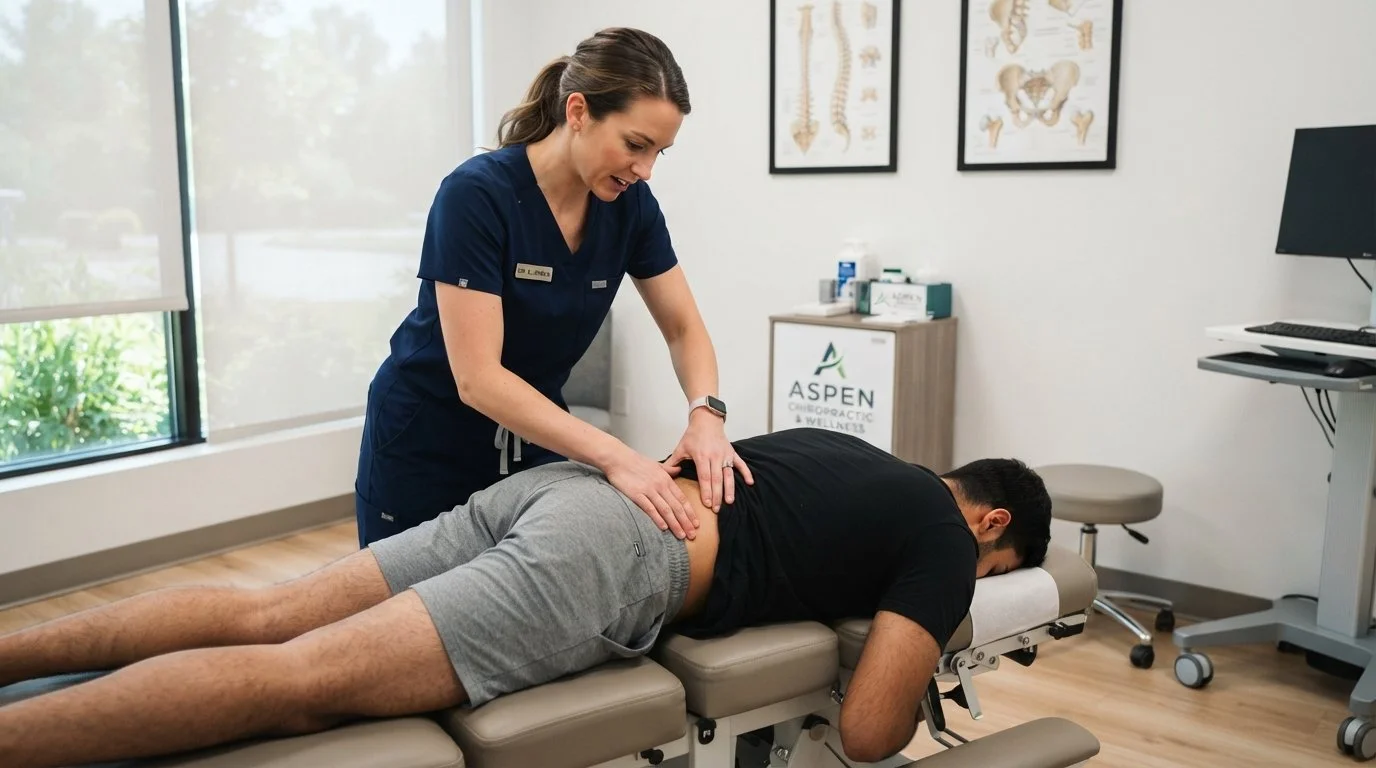
Some individuals benefit from working with a chiropractor for sciatica, particularly when restricted spinal movement or joint dysfunction contributes to nerve irritation.
A comprehensive chiropractic evaluation can help determine whether conservative, hands-on care is appropriate for your specific condition.
How Long Does Sciatica Last?
One of the most common questions people ask is how long sciatica lasts.
The answer depends entirely on the underlying cause.
For many individuals:
Mild cases improve within several weeks.
Moderate cases may require physical therapy and lifestyle changes.
Chronic conditions can last months if the root problem remains untreated.
Persistent symptoms don't necessarily mean permanent damage, but ongoing pain deserves professional evaluation.
How to Sleep With Sciatica?
Nighttime can be particularly frustrating.
Finding ways to sleep with sciatica often involves reducing pressure on the lower back and hips.
Helpful strategies include:
Sleeping on your side with a pillow between your knees
Sleeping on your back with a pillow beneath your knees
Choosing a supportive mattress
Avoiding stomach sleeping if it increases pain
Good sleep supports healing, making these adjustments worthwhile.
Common Mistakes That Can Make Sciatica Worse
Many people unintentionally prolong recovery.
Some of the most common mistakes include:
Ignoring Early Symptoms
Waiting until pain becomes severe often makes treatment more difficult.
Staying in Bed Too Long
Maintaining gentle movement is usually more beneficial than prolonged rest. If you're looking for additional self-care strategies, our guide on cold vs heat therapy for pain relief explains when each approach may be most helpful.
Returning to Heavy Activity Too Soon
Even if symptoms improve, lifting heavy objects or resuming intense workouts prematurely may trigger another flare-up.
Self-Diagnosing
Not every pain traveling down the leg is sciatica.
Proper evaluation helps rule out other conditions requiring different treatment.
What Do People Often Misunderstand About Sciatica?
Several myths continue to circulate.
One common belief is that surgery is always necessary.
In reality, many people improve through conservative care that includes exercise, physical therapy, posture correction, and activity modification.
Another misunderstanding is that complete rest speeds healing.
Research consistently suggests that staying reasonably active, within comfortable limits, often supports recovery better than prolonged bed rest.
Finally, pain intensity doesn't always reflect the severity of the underlying problem. Some people experience significant pain from relatively minor nerve irritation, while others with imaging abnormalities have few symptoms.
Why Professional Evaluation Matters

Sciatica isn't a one-size-fits-all condition.
Two people may describe similar pain while having entirely different underlying causes.
A healthcare professional can evaluate the following:
Medical history
Physical examination findings
Muscle strength
Reflexes
Movement patterns
If needed, additional imaging or diagnostic tests may help identify structural problems affecting the sciatic nerve.
This individualized approach allows treatment to focus on the actual source of pain rather than simply reducing symptoms. At Metro Wellness, every treatment plan begins with understanding the underlying cause of your pain so care can be personalized to your needs and long-term recovery goals.
Conclusion
Sciatica is more than ordinary back pain. It's a sign that the sciatic nerve is being irritated somewhere along its path. Understanding what causes sciatica pain whether it's a herniated disc, spinal stenosis, muscle tightness, or another condition can make all the difference when choosing the right path forward.
For people living and working in Midtown Manhattan, daily habits such as prolonged sitting, commuting, and limited movement may contribute to the problem, but they don't have to define it. Early evaluation, appropriate movement, and personalized care often help people return to their normal routines with greater comfort and confidence.
If your symptoms aren't improving or they're interfering with your work or daily activities, it may be time for a professional evaluation. Learn more about Metro Wellness's approach to musculoskeletal care orschedule an appointment to discuss your symptoms with a qualified provider.
Frequently Asked Questions
Can sciatica go away on its own?
Yes. Many mild cases improve within a few weeks with activity modification, gentle exercise, and conservative care. Persistent or worsening symptoms should be evaluated by a healthcare professional.
Is walking good for sciatica?
For many people, gentle walking helps reduce stiffness and encourages recovery. However, if walking significantly increases pain, it's important to seek medical advice.
When should I see a healthcare provider for sciatica?
Seek evaluation if pain lasts more than a few weeks, becomes severe, causes weakness, or affects bladder or bowel control. Those symptoms require prompt medical attention.
Can poor posture cause sciatica?
Poor posture alone usually doesn't cause sciatica, but it can contribute to spinal stress and make existing nerve irritation worse.
Is chiropractic care helpful for sciatica?
Some people experience relief with chiropractic care, especially when joint mobility contributes to symptoms. Treatment should always begin with a proper assessment to determine whether it's appropriate.
